

You’ve probably stood in front of a shelf full of body lotions, scrubs, oils, and serums wondering if you really need all of them. The answer, for most people, is no. A minimal body care routine strips away the clutter and focuses on what actually makes a difference for your skin—without draining your wallet or eating up your mornings.
This guide walks you through building a simple, effective routine that covers the essentials. You’ll learn which products actually matter, how to use them without overcomplicating things, and where you can safely cut corners. Whether you’re new to body care or just tired of a bathroom cabinet full of half-used bottles, this approach keeps things practical.
Quick Routine Overview
- Cleanse: A gentle body wash, used daily or every other day depending on your skin
- Exfoliate: A simple scrub or washcloth, once or twice a week
- Moisturize: A basic lotion or body cream applied right after showering
- Protect: Sunscreen on exposed areas when you’re outside for extended periods
That’s genuinely it. Four steps, and two of them you’re probably already doing. The rest is just about doing them a bit more intentionally.
What You’ll Need
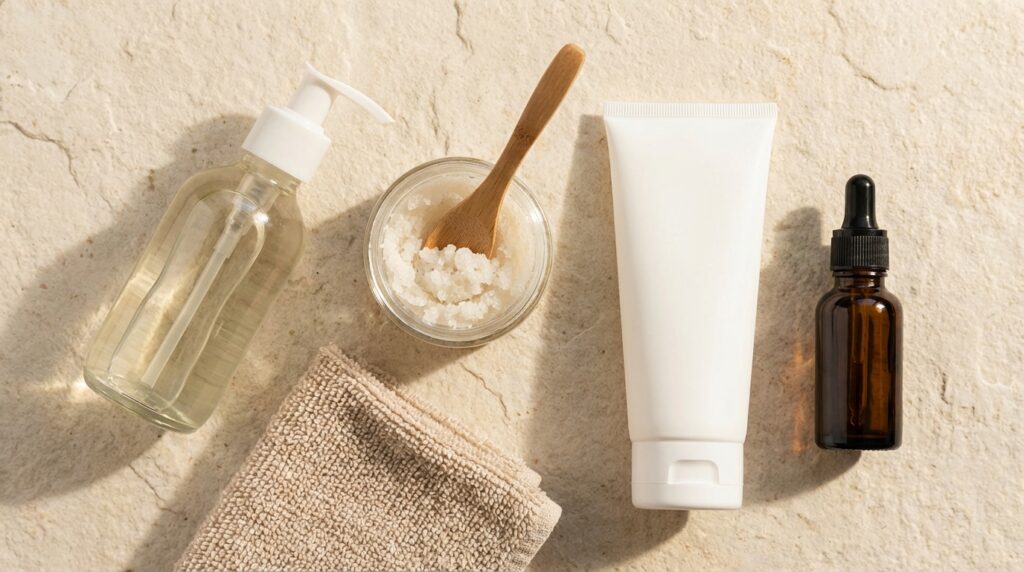
One of the best parts of a minimal body care routine is the short shopping list. Here’s what covers the basics:
- A gentle, fragrance-free or lightly scented body wash
- A physical exfoliant (sugar scrub, salt scrub, or a textured washcloth)
- A moisturizing lotion or cream suited to your skin type
- A broad-spectrum sunscreen (SPF 30 or higher) for days with sun exposure
- Optional: a lightweight body oil if your skin runs very dry
You don’t need separate products for every body part. A good lotion works on your arms, legs, and torso. A gentle body wash handles everything from your shoulders to your feet. The goal here is fewer products that do their jobs well.
How to Build Your Minimal Body Care Routine Step by Step
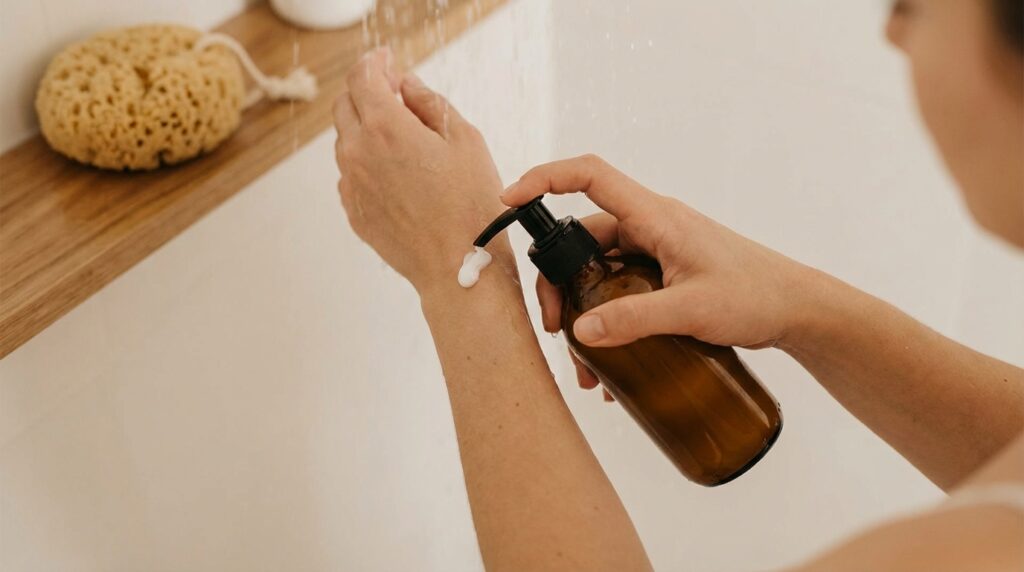
Step 1: Cleanse without overdoing it. Most people don’t need to scrub their entire body with soap every single day. Focus the body wash on areas that actually get sweaty or oily—underarms, feet, and anywhere skin folds. The rest of your body can often get by with just water, especially if you have dry or sensitive skin. Over-washing strips natural oils and can leave skin feeling tight or itchy.
Step 2: Exfoliate gently, not aggressively. Once or twice a week is plenty for most skin types. Use a simple sugar scrub, a salt scrub, or even just a rough washcloth. The point is to slough off dead skin cells so your moisturizer can actually absorb. Scrubbing harder doesn’t mean better results—it usually just means irritation. Be especially gentle on thinner skin like your chest and inner arms.
Step 3: Moisturize while your skin is still damp. This is the step most people skip or do wrong. Right after you step out of the shower, pat your skin so it’s damp but not dripping, then apply your lotion or cream. Damp skin absorbs moisture far better than completely dry skin. If you wait until you’re fully dressed and your skin has air-dried, you’ve missed the window.
Step 4: Protect exposed skin from the sun. Sunscreen isn’t just for beach days. If your arms, legs, or chest will be in direct sunlight for more than 20 minutes, a layer of SPF helps prevent premature aging and sun damage. You don’t need a separate “body sunscreen”—the same broad-spectrum SPF 30+ you use on your face works fine.
Shortcut if you’re short on time
- Use a moisturizing body wash that cleanses and hydrates in one step
- Keep your lotion in the bathroom so you apply it immediately post-shower
- Skip exfoliation on busy weeks—it’s helpful but not critical every single week
- Use a spray sunscreen for fast application on arms and legs
- Focus moisturizer on the driest spots (elbows, knees, shins) if you’re rushing
Common Mistakes That Sabotage a Minimal Routine
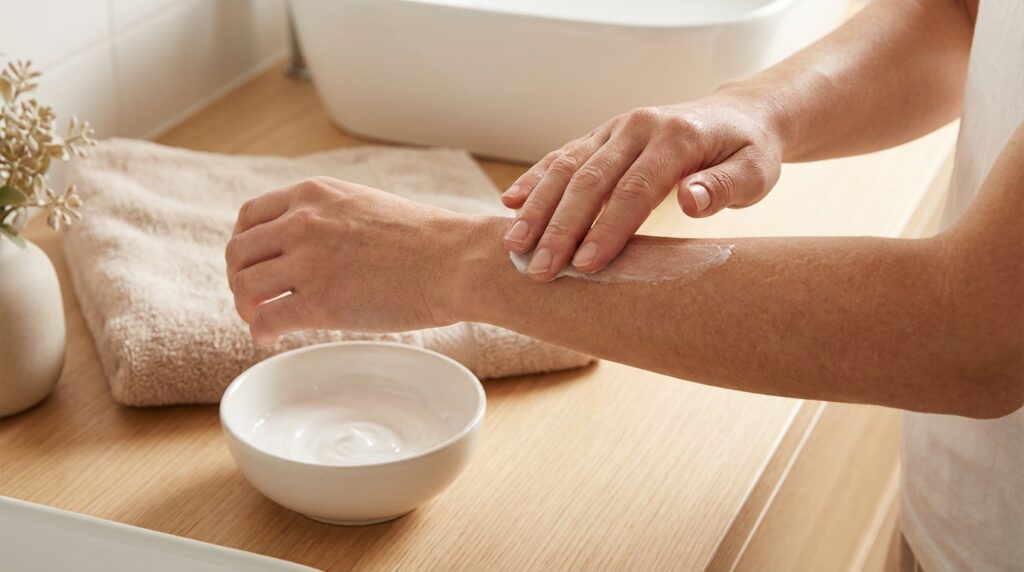
Even with just a few steps, there are ways to accidentally make things harder on yourself. Here’s what trips people up:
- Using water that’s too hot. Long, steaming showers feel great but strip moisture from your skin. Warm water is enough to get clean without drying you out.
- Waiting too long to moisturize. If your skin is completely dry before you apply lotion, you’re not locking in any moisture—you’re just sitting product on top of dry skin.
- Over-exfoliating. Daily scrubbing damages your skin barrier. Stick to once or twice a week, and less if your skin feels raw or looks red.
- Buying products based on scent alone. A lotion that smells amazing but contains a lot of alcohol or fragrance can irritate sensitive skin. Check that the formula actually hydrates.
- Ignoring your legs and feet. These areas tend to get the driest, especially in colder months. Don’t skip them when you moisturize.
A common issue is thinking more products equal better skin. In practice, layering too many things can clog pores on your body or cause irritation. A minimal routine avoids this by keeping the product count low and the ingredients straightforward.
Adjusting for Your Skin Type
Not everyone’s skin behaves the same way, so a few tweaks help personalize your routine without adding complexity.
If your skin is dry or flaky
Look for cream-based moisturizers rather than lightweight lotions. Ingredients like shea butter, glycerin, or ceramides help repair the skin barrier. You might also benefit from applying a thin layer of body oil on top of your lotion on particularly dry days. Avoid body washes with sulfates, which can be too stripping.
If your skin is oily or acne-prone
Stick with a lightweight, non-comedogenic lotion. You still need to moisturize—skipping it can actually make oiliness worse because your skin overcompensates. For body acne on the back or chest, a gentle exfoliating wash with salicylic acid once or twice a week can help, but don’t use it daily.
If your skin is sensitive
Fragrance-free everything is your friend. Avoid scrubs with rough particles and opt for a soft washcloth instead. Patch test new products on a small area before using them all over. If you notice persistent redness, itching, or irritation, it’s worth checking in with a dermatologist rather than guessing at solutions.
Frequently Asked Questions
Do I really need to moisturize every day?
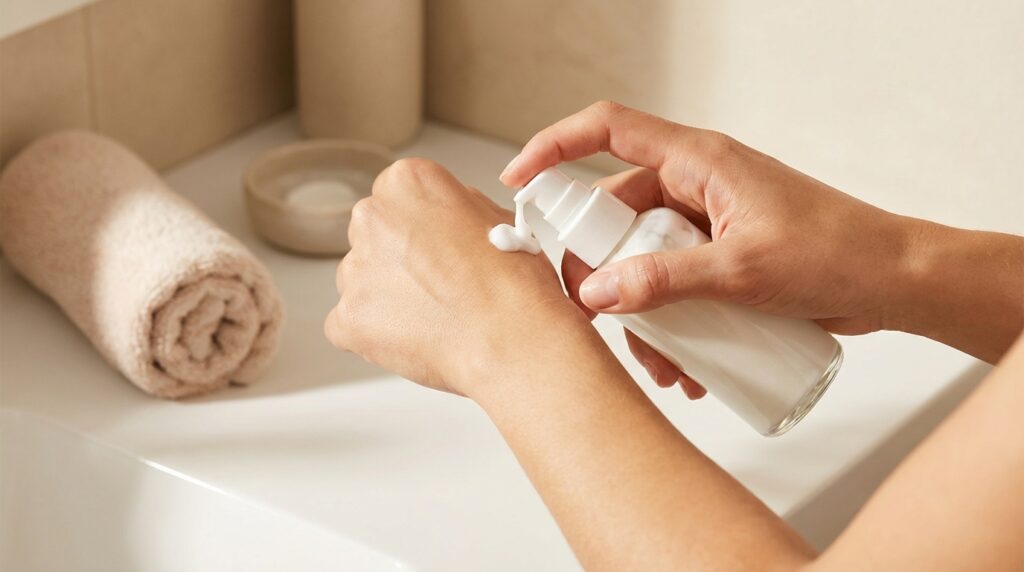
For most people, yes—especially after showering. Daily moisturizing keeps your skin barrier healthy and prevents that tight, itchy feeling. If you have very oily skin, you might get away with every other day, but consistency generally gives better results.
Can I use the same products on my face and body?
Sometimes, but not always. Facial skin is thinner and more sensitive, so products designed for the body might be too heavy or irritating for your face. Body lotions are usually fine for the neck and chest, but keep dedicated facial products for your actual face.
Is body care different in winter versus summer?
A bit. In winter, you might need a richer moisturizer and shorter, cooler showers to combat dryness. In summer, a lighter lotion and more consistent sunscreen use make sense. The core routine stays the same—you’re just adjusting the weight of your products.
How long before I see results?
Skin cell turnover takes about four to six weeks, so give a new routine at least a month before judging it. You might notice softer skin within a week or two, but real improvements in texture and hydration take a bit longer.
Summary and Next Step
Building a minimal body care routine comes down to four basics: cleanse gently, exfoliate occasionally, moisturize on damp skin, and protect from the sun. You don’t need a cabinet full of specialty products or an hour-long ritual. A handful of well-chosen essentials, used consistently, does more for your skin than a complicated routine you abandon after two weeks.
Your next step is simple: take stock of what you already have. Chances are you own most of what you need. Streamline to the basics, commit to moisturizing right after your shower for the next week, and see how your skin responds. Small, consistent habits beat elaborate routines every time.