

Another year wraps up, and somewhere in a drawer sits a half-used jar of homemade cleaning paste, an unopened skincare sample, and three reusable produce bags that never made it to the grocery store. Sound familiar? That’s the reality of trying to live smarter, greener, and more budget-conscious—some experiments stick, others quietly disappear into the junk drawer of good intentions.
This yearly “Save & Care” reflection breaks down the honest wins and spectacular flops from a full year of testing frugal swaps, DIY projects, and self-care shortcuts. No sugarcoating. Just practical takeaways to carry into next year—and permission to ditch what clearly isn’t working.
The Budget Wins Worth Celebrating
Not every money-saving attempt pays off equally. Some deliver month after month, barely requiring any thought. These are the habits that earned their keep this year.
DIY all-purpose cleaner: A simple mix of white vinegar, water, and a few drops of dish soap costs roughly $0.50 per bottle. Compare that to $4–$6 for a store-bought spray. Over12 months, switching just this one product saves around $40–$60. More importantly, it actually works—streak-free counters, clean stovetops, no weird residue.
Meal prepping Sunday proteins: Cooking a big batch of chicken thighs or ground turkey on Sundays cut weeknight dinner prep to under 15 minutes. The real savings? Fewer $25 takeout orders when exhaustion hits at 6 PM. Families report saving $150–$300 monthly just by reducing impulse food delivery.
Unsubscribing from marketing emails: This one sounds silly, but it’s shockingly effective. Fewer “flash sale” notifications means fewer purchases. A20-minute unsubscribe session in January can prevent hundreds in unplanned spending by December.
The Flops (And Why They Flopped)
Here’s the uncomfortable part. Not every Pinterest-worthy hack translates to real life. These ideas looked great on paper but crumbled under the pressure of busy schedules and limited patience.
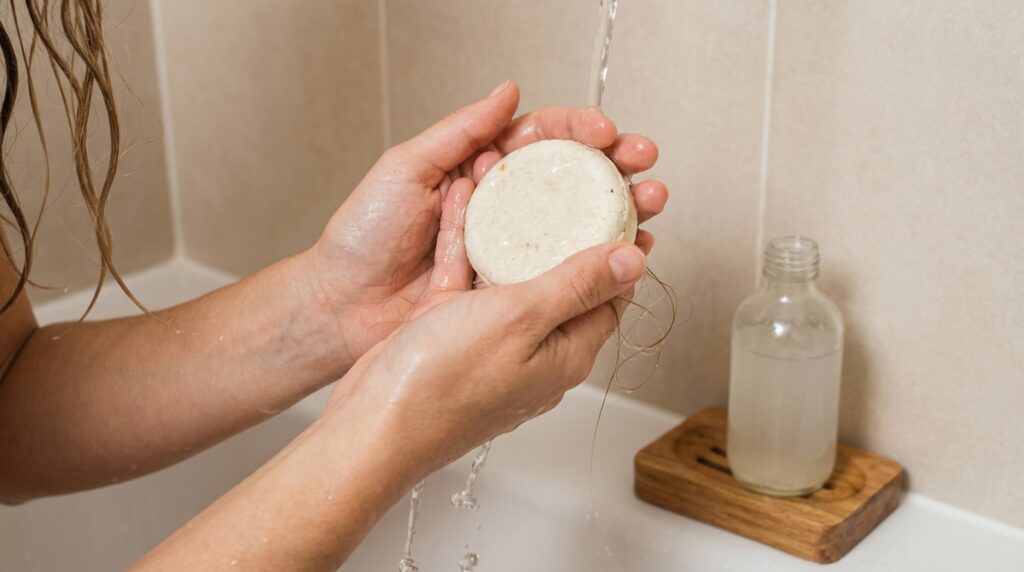
Bar shampoo: The eco-friendly dream that left hair feeling waxy after two weeks. Hard water buildup made this swap frustrating. Some users love it, but for many households, the adjustment period (and vinegar rinses) simply weren’t sustainable long-term.
Extreme couponing: Clipping coupons for3+ hours weekly to save $30 rarely makes mathematical sense. Time is money. Unless couponing becomes a genuine hobby, the return on investment plummets quickly. A better alternative? Store loyalty apps that take5 minutes to check.
Homemade laundry detergent: The grated soap and borax mixture seems genius until residue builds up on clothes and washing machines. Newer HE machines especially struggle with DIY formulas. Sometimes the $12 bottle of plant-based detergent is the smarter choice for fabric longevity.
Myth vs. Reality Check
Myth: Making everything from scratch always saves money.
Reality: When factoring in time, failed batches, and specialized ingredients that expire, homemade isn’t automatically cheaper. DIY wins when the recipe is simple, ingredients are multipurpose, and the process takes under10 minutes.
Myth: Buying in bulk is always the frugal choice.
Reality: Bulk buying only saves money if items get used before expiring. That 5-pound bag of chia seeds seemed smart until half of it went stale. Bulk works for toilet paper and rice. It fails for trendy superfoods.
Myth: Self-care has to cost money.
Reality: The most effective self-care this year? Free. Consistent sleep schedules, 10-minute walks, and digital detox evenings delivered more mental clarity than $80 spa products.
Seasonal Strategies That Actually Delivered
Timing matters. Some savings tactics work brilliantly—but only during specific windows.
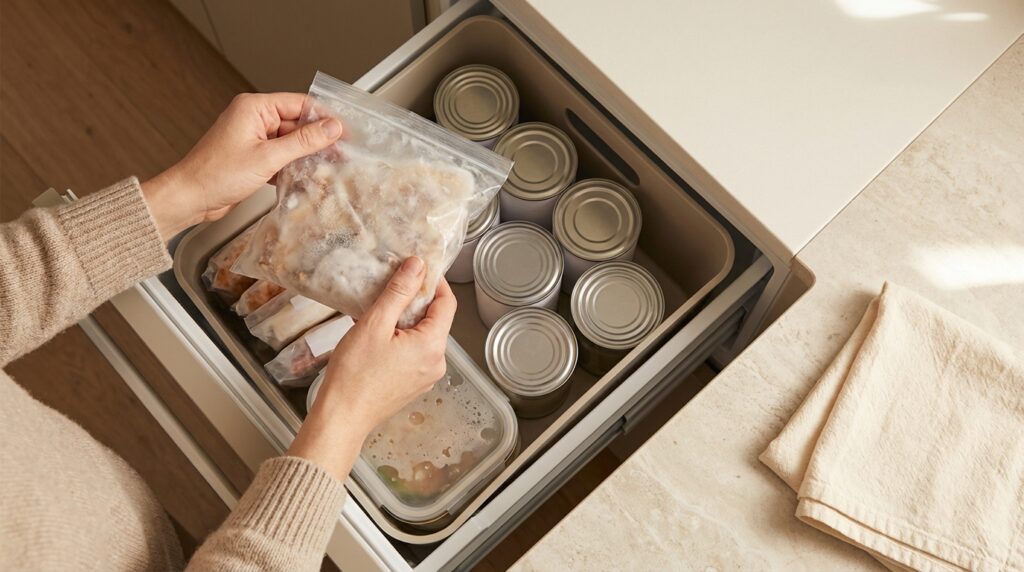
January pantry challenges: Eating through freezer mystery packages and nearly-expired canned goods before restocking saved an average of $100–$200 in grocery spending. It also cleared space and reduced food waste guilt.
Spring wardrobe audits: Selling winter coats and boots in early March (when buyers still want them) brought in $50–$150 through resale apps. Waiting until April? Listings sat untouched.
Summer garden herbs: A $3 basil plant from the hardware store produced enough pesto ingredients to skip $20+ worth of grocery store fresh herbs. Rosemary and mint offered similar returns with minimal effort.
Fall energy prep: Sealing drafty windows with $15 worth of weatherstripping before heating season cut energy bills noticeably. One afternoon of work, months of savings.
Holiday gift-making deadlines: Starting homemade gifts in October worked. Starting December15th? Stressful disasters. Handmade candles, infused oils, and baked goods need lead time. Rushed versions look rushed.
The Counter-Intuitive Lessons

Sometimes the smartest savings advice sounds backwards at first.
Spending more upfront saves more later. Cheap kitchen sponges that fall apart weekly cost more annually than a $7 silicone scrubber that lasts six months. The same applies to dish towels, spatulas, and storage containers. Quality basics reduce replacement cycles.
Doing less often works better. Over-cleaning surfaces, over-washing hair, over-watering plants—these habits waste products, time, and sometimes damage what they’re meant to protect. Scaling back to “enough” instead of “maximum” preserves both resources and sanity.
Tracking spending for just one month reveals everything. A full year of budgeting apps sounds exhausting. But 30 days of honest tracking exposes the real money leaks—streaming subscriptions forgotten, coffee runs adding up, convenience store snacks multiplying. One month provides the data; the rest of the year applies the fix.
What’s Getting Dropped Next Year
Some habits earned a permanent spot in the routine. Others? They’re officially retired.
- Keeping: Reusable beeswax wraps (finally replaced plastic wrap for good)
- Keeping: Monthly “no-buy” challenges for non-essentials
- Keeping: Batch-cooking freezer meals before busy seasons
- Dropping: Complicated multi-step skincare routines (three products max is plenty)
- Dropping: Extreme frugality that creates more stress than savings
- Dropping: Guilt over “failing” at trends that weren’t realistic anyway
Smart Tip: Write down what’s getting dropped before January 1st. Otherwise, the same failed experiments somehow sneak back onto the resolution list—again.
Quick Fix Checklist for Next Year
Heading into a new year armed with actual data beats vague promises. Here’s a fast-action list based on what genuinely moved the needle:
- Identify three DIY swaps that stuck this year and commit to only those
- Cancel or pause one subscription that delivered low value
- Schedule seasonal tasks on the calendar now (spring closet purge, fall energy prep)
- Pick one “splurge” category to protect guilt-free—deprivation budgets backfire
- Set a 15-minute weekly review to catch spending leaks early
- Give new habits 90 days before judging—most need adjustment time
Frequently Asked Questions

Howdo I know if a money-saving habit is worth keeping?
Ask two questions: Does it save meaningful money (at least $10–$20 monthly)? Does it take less than 15 minutes of weekly effort? If both answers are yes, it’s a keeper. If the time investment outweighs the savings, reconsider.
What’s the easiest annual save and care habit to start?
Unsubscribe from promotional emails and delete saved payment info from shopping apps. Friction prevents impulse buys. This takes 20 minutes once and pays off all year.
Should failed DIY projects be tried again next year?
Only if circumstances changed—new water filter, different climate, more time. Repeating the same experiment expecting different results wastes energy. Some hacks just aren’t a fit, and that’s fine.
How do I avoid burnout from too many money-saving goals?
Pick a maximum of three active projects per season. Rotate focus areas quarterly instead of juggling everything at once. Sustainable habits beat ambitious plans that collapse by February.
Moving Forward With Realistic Expectations
A yearly save and care reflection isn’t about perfection—it’s about pattern recognition. The wins reveal what aligns with actual lifestyle and energy levels. The flops highlight where effort outpaced return.
Grab a notebook, scroll through purchase history, and jot down what honestly worked this year. Then give full permission to abandon the rest. Next year’s version of saving smarter starts with admitting what didn’t fit—and doubling down on what did.