
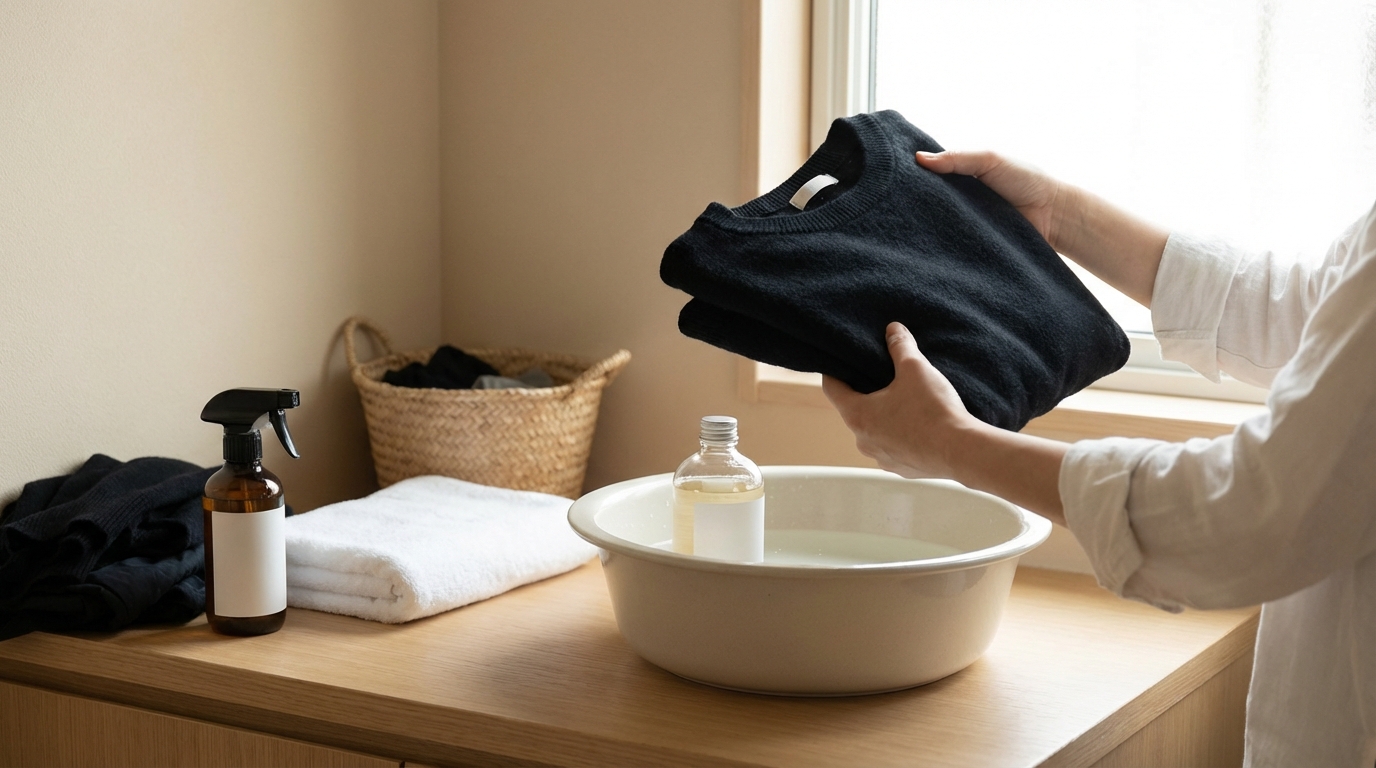
You pull your favorite black t-shirt out of the dryer, and somehow it looks more charcoal than black. Maybe even a little dusty. That slow fade happens to almost everyone, and it’s frustrating because black pieces are supposed to be the reliable workhorses of any wardrobe. The good news is that keeping black clothes from fading isn’t complicated—it just takes a few small habit changes on laundry day.
In this guide, you’ll learn why black fabric loses its depth over time, what laundry mistakes speed up the process, and a simple washing routine that actually works. No fancy products required, just smarter choices with what you already have.
Quick Routine to Protect Black Clothes
- Turn garments inside out before washing
- Use cold water only
- Choose a gentle or delicate cycle
- Skip the dryer when possible—air dry instead
- Wash darks separately from lights and brights
Why Black Clothes Fade in the First Place

Black dye sits on the surface of fabric fibers, and every wash loosens some of that dye. Heat, friction, and harsh detergents all accelerate the process. The more agitation your clothes experience in the machine, the faster they lose color. Hot water opens up the fibers and lets dye escape more easily, while tumble drying adds heat and more friction on top of that.
Another culprit is detergent residue. If you use too much soap, it doesn’t fully rinse out. That leftover film sits on the fabric and creates a dull, grayish cast—even if the dye itself is still intact. So sometimes what looks like fading is actually buildup.
Sunlight plays a role too. UV rays break down dye molecules over time, which is why line-drying in direct sun can backfire for dark colors. A shaded spot or indoor drying rack is a safer bet.
What You’ll Need
- A mild liquid detergent (look for one labeled for darks or colors, or just a gentle formula)
- White vinegar (optional, but helpful)
- A mesh laundry bag for delicate items
- A drying rack or shaded outdoor line
You don’t need to buy a specialty “black clothes” detergent unless you want to. A regular gentle detergent works fine as long as you use the right amount and wash on cold. The vinegar is a low-cost trick that helps set dye and remove detergent residue—more on that below.
Step-by-Step Washing Routine

Step 1: Sort your laundry and pull out all the black and dark items. Washing them separately prevents lint transfer from lighter fabrics and keeps dye from mixing with other colors. If you’re short on laundry, dark navy and charcoal can go in the same load, but keep anything white or pastel far away.
Step 2: Turn every piece inside out. This protects the outer surface from rubbing against other clothes and the drum of the machine. It’s a small step that makes a noticeable difference over time, especially for jeans and t-shirts.
Step 3: Place delicate black items—like a silk blouse or a thin knit—in a mesh laundry bag. This reduces friction even further and prevents snags.
Step 4: Add detergent, but measure carefully. More soap doesn’t mean cleaner clothes. For a regular load, use about half to three-quarters of the recommended amount. If your machine has a “darks” or “colors” setting, use it. Otherwise, select the gentle or delicate cycle.
Step 5: Set the water temperature to cold. This is non-negotiable for preserving black dye. Even the “warm” setting can cause gradual fading over many washes.
Step 6: Optional but effective—add half a cup of white vinegar to the rinse cycle. Vinegar helps lock in dye and removes any soap residue that might dull the fabric. Don’t worry, the smell disappears once clothes dry.
Step 7: Skip the dryer. Lay items flat or hang them on a drying rack away from direct sunlight. If you absolutely must use the dryer, choose the lowest heat setting and remove clothes while they’re still slightly damp.
Shortcut If You’re Short on Time
- At minimum, turn clothes inside out and use cold water—these two steps alone make a big difference
- Toss black items in a mesh bag together if you don’t have time to sort carefully
- Use a quick wash cycle with less agitation
- Hang dry overnight instead of waiting for a full air-dry cycle
Common Mistakes That Speed Up Fading
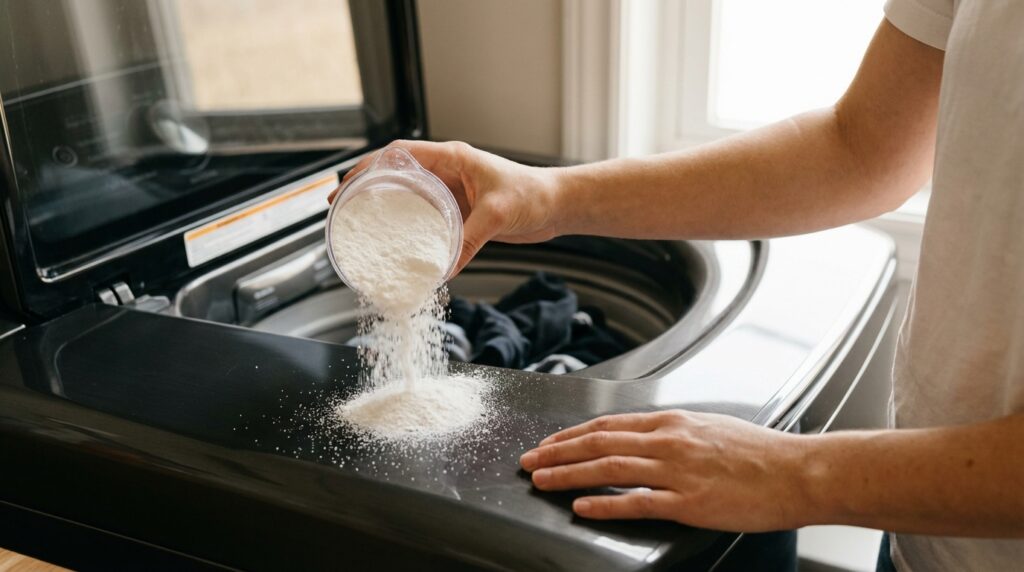
A lot of people wash black clothes the same way they wash everything else, and that’s where the trouble starts. Here are the most common missteps:
- Using too much detergent: Excess soap leaves residue that dulls fabric. Measure instead of eyeballing.
- Washing in warm or hot water: Heat opens fibers and releases dye. Stick to cold every time.
- Overloading the machine: Cramming too many items in one load increases friction. Give clothes room to move.
- Drying on high heat: The dryer is the biggest offender for fading. Air drying is gentler and free.
- Ignoring care labels: Some black fabrics need hand washing or dry cleaning. Check before tossing everything in together.
- Line drying in direct sun: UV rays bleach dark colors. Dry in shade or indoors.
If you’ve already noticed fading, these habits won’t reverse the damage, but they’ll slow down further color loss. Sometimes a garment that looks faded is actually coated in detergent buildup—running it through a rinse cycle with vinegar and no soap can help restore some depth.
A Few Extra Tips That Actually Help
Washing less often is underrated. Unless something is visibly dirty or smells, you can often wear black jeans or sweaters a few times before they need a wash. Spot cleaning small stains with a damp cloth extends the time between full washes and reduces overall wear on the fabric.
When you buy new black clothes, consider washing them alone the first time with a cup of vinegar and cold water. This helps set the dye before it has a chance to bleed. Some people add a tablespoon of salt to the first wash for the same reason—it’s an old trick that doesn’t hurt to try.
If you’re dealing with black denim specifically, some people swear by freezing jeans instead of washing them. The idea is that freezing kills odor-causing bacteria without water or agitation. It’s a bit unconventional, but worth a shot if you want to stretch time between washes.
Frequently Asked Questions
Does vinegar really help keep black clothes dark?

Vinegar helps in two ways: it can set dye during the first wash, and it removes detergent residue that makes fabric look dull. It won’t restore color that’s already lost, but it’s a cheap and easy addition to your routine.
Can I use bleach on black clothes to brighten them?
No—bleach will strip the dye and ruin black fabric. If you want to refresh faded black items, look into fabric dye designed for home use. It’s a more involved process, but it can bring clothes back to life.
Is it okay to wash black clothes with other dark colors?
Generally yes. Dark navy, charcoal, and deep burgundy can usually go in the same load without issues. Just avoid mixing darks with anything light or bright, especially in the first few washes when dye is most likely to bleed.
How often should I wash black jeans?
Less than you think. Unless they’re stained or smell, black jeans can go several wears between washes. Spot clean when needed and air them out between uses.
Summary and Next Step
Keeping black clothes from fading comes down to a few consistent habits: cold water, gentle cycles, turning items inside out, and skipping the dryer when you can. Add a splash of vinegar to the rinse cycle for extra protection, and avoid overloading the machine or using too much detergent. These small changes don’t take extra time—they just require a little intention on laundry day.
Pick one or two of these tips to start with. Turning clothes inside out and switching to cold water are the easiest wins. Once those become automatic, layer in the rest. Your black wardrobe will thank you.