
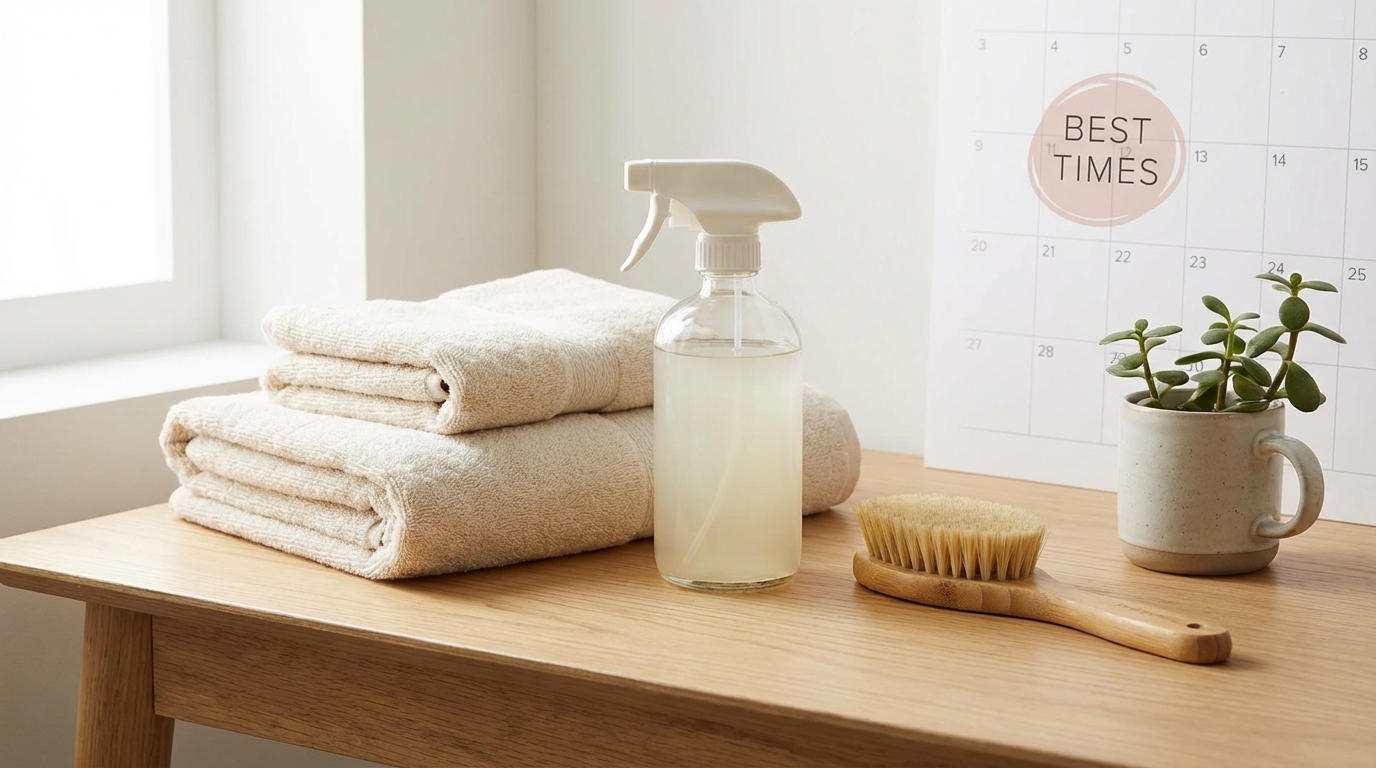
You finally decide to replace those threadbare towels or upgrade your blender, and two weeks later—of course—everything goes on sale. It’s frustrating, and it happens to almost everyone. Knowing the best times of year to buy home essentials on sale can save you hundreds of dollars annually without requiring extreme couponing skills or hours of deal-hunting. In this guide, you’ll learn which months offer the deepest discounts on bedding, kitchen gear, cleaning supplies, and everyday household items, plus how to plan your purchases so you’re never caught paying full price again.
The good news? Retailers follow surprisingly predictable patterns. Once you know the rhythm, timing your purchases becomes second nature—and your budget will thank you.
Quick Verdict: Best Months for Each Category
- Bedding, sheets, and towels: January (White Sales)
- Kitchen appliances: November (Black Friday/Cyber Monday)
- Cleaning supplies and everyday essentials: July (Prime Day) and November
- Furniture and large home items: January, July, and holiday weekends
- Storage and organization: January and back-to-school season (August)
January: The Classic White Sales
If you need new sheets, towels, or bedding, January is your month. The tradition of “White Sales” dates back over a century, when department stores discounted white linens after the holiday rush. Today, these sales have expanded well beyond white items to include comforters, bath mats, blankets, and even some laundry appliances.
Most major retailers participate, and discounts typically range from 20% to 50% off regular prices. This is the time to stock up on basics you’ll use all year—extra towel sets, guest bedding, or that duvet cover you’ve been eyeing.
Common Mistake: Waiting Too Long

White Sales usually run throughout January, but the best selection disappears quickly. If you have specific colors or sizes in mind, shop during the first two weeks. By late January, you’re picking through whatever’s left.
A practical tip: make a list before the sales start. It’s easy to overbuy when everything looks like a deal. Focus on items you actually need to replace rather than grabbing extras “just because.”
July: Prime Day and Summer Sales
Amazon Prime Day, typically held in mid-July, has become one of the biggest shopping events for home essentials. Recent Prime Day events have featured significant discounts on cleaning products, paper goods, small kitchen appliances, and everyday household items. In 2024, the event ran July 16-17 with deals across home categories.
Beyond Amazon, many retailers now run competing sales during the same window. This creates a useful price war that benefits shoppers looking for vacuum cleaners, storage containers, kitchen gadgets, and bulk household supplies.
Who Benefits Most from July Sales
If you’re moving into a new place, setting up a dorm room, or just restocking consumables, July offers solid value. It’s also a good time for small appliances like blenders, coffee makers, and air fryers—items that see deeper discounts again in November, but July works if you can’t wait.
One scenario worth noting: if you’re furnishing a new apartment in late summer, July sales let you grab essentials before the back-to-school rush drives up demand on storage and organization items.
November: Black Friday and Cyber Monday
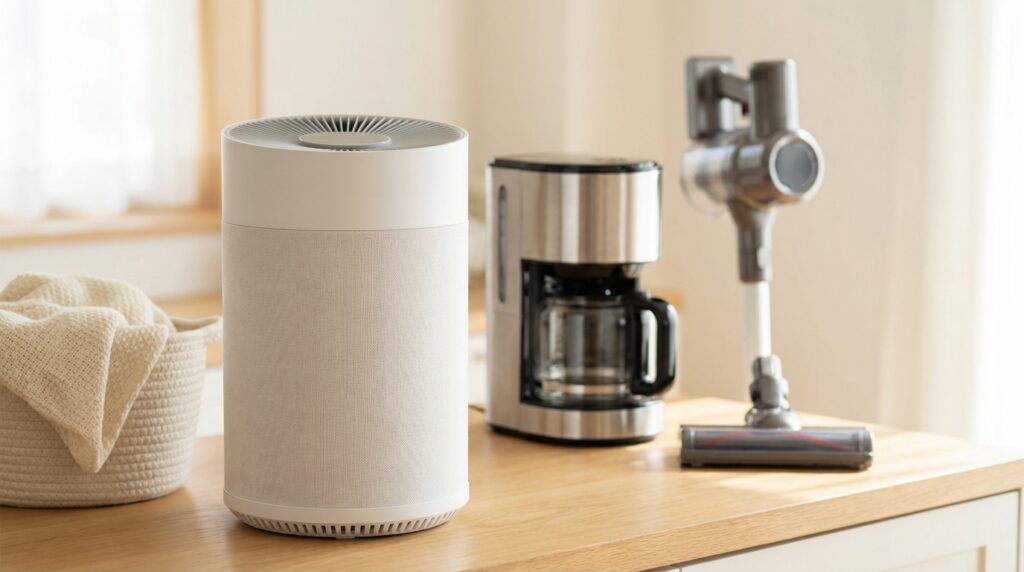
This is the heavyweight month for home essentials, especially anything with a plug. Kitchen appliances, vacuums, air purifiers, and larger home goods see their lowest prices of the year during the Black Friday and Cyber Monday window. According to recent consumer reports, Cyber Monday in particular delivers strong deals on home products from air purifiers to washers and dryers.
The sales now stretch well beyond a single weekend. Many retailers begin discounts in early November and extend them through the first week of December. This gives you time to compare prices rather than panic-buying at midnight.
What to Prioritize in November
- Kitchen appliances: Stand mixers, instant pots, air fryers, and coffee machines often hit their yearly lows.
- Vacuums and floor care: Both budget and premium models see significant markdowns.
- Smart home devices: If you’re building out a connected home, this is the time.
- Cookware sets: Pots, pans, and bakeware bundles frequently go on sale.
Common Mistake: Assuming Every “Deal” Is Actually Good
Not every Black Friday price is the lowest of the year. Some items get modest discounts dressed up with flashy marketing. Before buying, do a quick price check—many browser extensions and price-tracking websites show historical pricing. If the “sale” price matches what the item cost three months ago, it’s not much of a deal.
Other Key Windows Throughout the Year
Beyond the big three, several smaller opportunities pop up that savvy shoppers can use:
Presidents’ Day Weekend (February): Mattresses and larger furniture items often go on sale. If you missed January’s bedding deals, this is a second chance for sleep-related purchases.
Memorial Day and Labor Day Weekends: These holiday weekends traditionally bring sales on outdoor items, grills, and patio furniture, but many retailers extend discounts to indoor home goods as well. It’s a decent time for furniture if you’re flexible on style.
Back-to-School Season (August): Storage bins, organizational supplies, and small dorm-friendly items drop in price. Even if you’re not a student, this is a good window for closet organizers, desk accessories, and compact storage solutions.
End of Season (March and September): Seasonal items get clearanced out. Space heaters drop in March; fans and air conditioners get marked down in September. If you can store items for next year, these clearance periods offer the steepest discounts.
Who This Is For (and Who It’s Not)
Timing your purchases works best if you can plan ahead and don’t need items urgently. If your coffee maker dies in March, waiting until November probably isn’t realistic. But if you know your towels are getting thin or you’ve been thinking about upgrading your vacuum, building a simple shopping calendar pays off.
This approach suits:
- Budget-conscious households willing to wait a few weeks or months
- People furnishing a new home who can phase purchases over time
- Anyone tired of the “I just bought this and now it’s on sale” feeling
It’s less useful for:
- Urgent replacements (broken appliances, emergency needs)
- Highly specific items that rarely go on sale
- Shoppers who prefer buying exactly when they want something, regardless of price
Frequently Asked Questions
Do prices really drop that much during sales?
It varies by category. Bedding during White Sales and electronics during Black Friday can see 30-50% discounts. Everyday consumables might only drop 15-20%, but that adds up if you’re buying in bulk. The key is knowing which categories get meaningful discounts versus token markdowns.
Should I wait for sales on everything?

Not necessarily. If an item is already reasonably priced or you need it now, waiting months to save a few dollars isn’t always worth it. Focus your patience on bigger purchases where the savings justify the wait.
Are online sales better than in-store?
Online sales often have broader selection and easier price comparison. However, in-store clearance sections sometimes beat online prices, especially for floor models or last-season items. Checking both gives you the best chance at the lowest price.
Summary and Next Step
The best times of year to buy home essentials on sale follow a reliable pattern: January for bedding and linens, July for everyday essentials and small appliances, and November for kitchen gear and electronics. Sprinkle in holiday weekends and end-of-season clearances, and you’ve got a year-round strategy for spending less without sacrificing quality.
Your next step is simple: pick one upcoming sale window and make a short list of items you’ve been meaning to replace. Even timing just a few purchases each year can add up to meaningful savings—and you’ll finally stop kicking yourself when prices drop the week after you buy.