
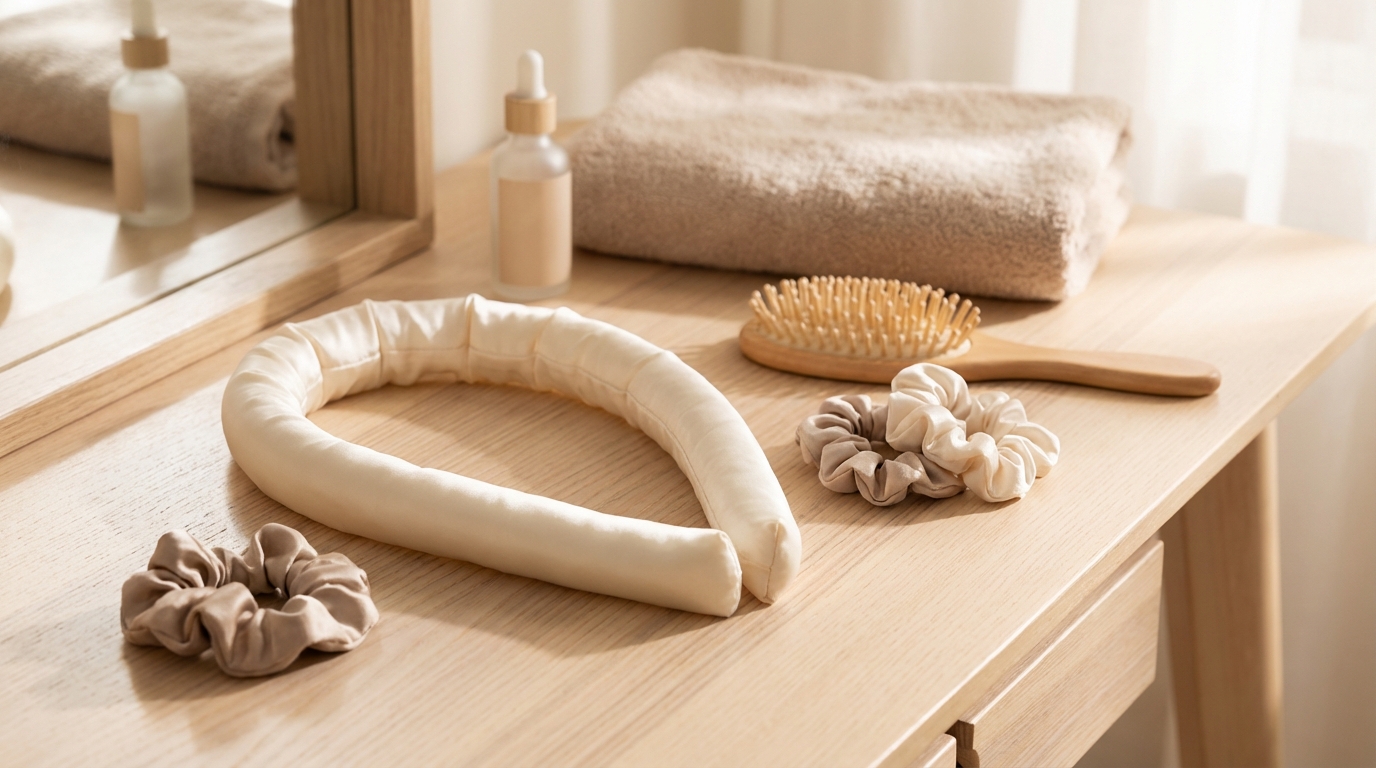
You’ve probably seen those viral videos—someone unwraps a soft headband from their hair and suddenly has bouncy, salon-worthy curls without a single hot tool in sight. Heatless curling headbands have taken over for good reason: they promise gorgeous waves while you sleep, no damage, no frying your strands. But with dozens of options flooding Amazon, figuring out which heatless curling headband actually works for your hair type can feel overwhelming. This guide breaks down what to look for, which styles suit different hair types, and the common pitfalls that leave people with limp, barely-there waves instead of the curls they wanted.
By the end, you’ll know exactly which features matter most, which headband style fits your routine, and how to avoid waking up disappointed.
Quick Verdict: Best Heatless Curling Headbands by Hair Type
- Best for fine or thin hair: A silk-covered rod with a tighter wrap design—helps curls hold longer on slippery strands.
- Best for thick or long hair: An extra-long rod (look for 150cm or longer) with secure ribbon ties to keep everything in place overnight.
- Best for sensitive scalps or comfort: A soft, flexible foam core with satin covering—less pressure on your head while sleeping.
- Best budget pick: A basic satin-covered rod set with scrunchies and clips included—usually under $15 and does the job.
- Best for looser, beachy waves: A thicker diameter rod—creates relaxed bends rather than tight ringlets.
What Actually Makes a Good Heatless Curling Headband
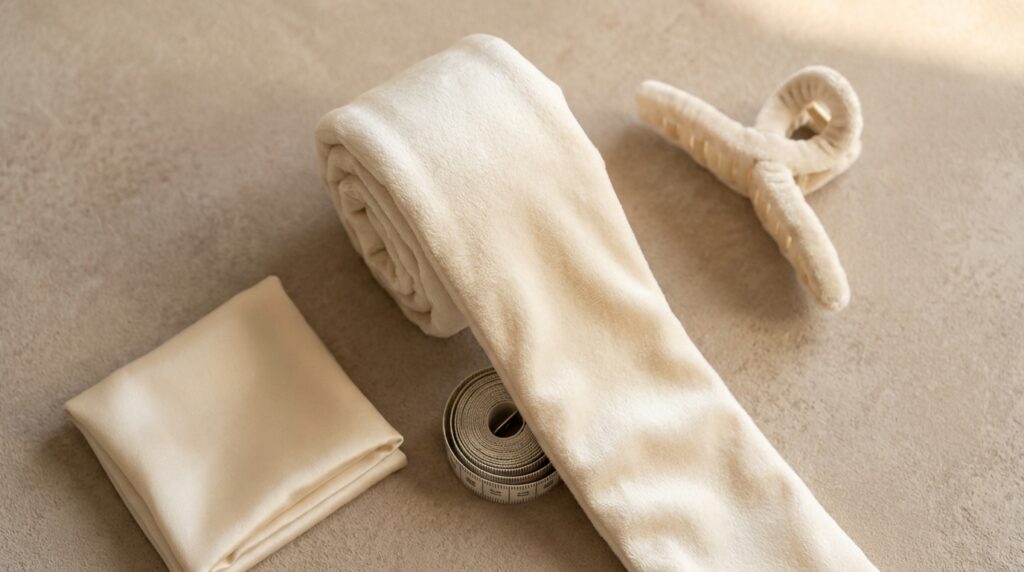
Not all heatless curlers are created equal, and the differences matter more than you’d think. The three things that separate a headband you’ll actually use from one that ends up in a drawer: material, length, and how well it stays put overnight.
Material: Silk vs. Satin vs. Velvet
Based on user feedback across reviews, silk and satin coverings consistently outperform velvet or plain fabric options. Silk creates less friction, which means less frizz when you unwrap in the morning. Satin offers similar benefits at a lower price point. Velvet can grip hair better (helpful if your strands are slippery), but it tends to create more frizz and can tug at delicate hair. If you have color-treated or damaged hair, stick with silk or satin—your ends will thank you.
Length and Diameter
Here’s a common mistake: buying a standard-length rod when you have long or thick hair. If your hair reaches past your shoulders, look for rods labeled “extra long” or at least 150cm. Otherwise, you’ll run out of rod before you run out of hair, and the curls at the bottom will be uneven or nonexistent. Diameter matters too—thinner rods create tighter curls, while thicker rods give you those loose, effortless waves.
Staying Power
The biggest complaint in recent reviews? The headband slipping off overnight. Look for sets that include ribbon ties, scrunchies, or claw clips to secure the rod at the top of your head. Some designs have an adjustable strap or velcro closure. If you’re a restless sleeper, this feature alone can make or break your results.
Best Options by Category
Option: Silk-Covered Rod with Ribbon Ties
This style typically comes with a long, flexible foam rod wrapped in real or faux silk, plus two ribbon ties to secure it. It’s the most popular design on Amazon for a reason—it works for most hair types and feels comfortable enough to sleep in.
- Pros: Gentle on hair, minimal frizz, ribbon ties keep it secure, widely available
- Cons: Real silk versions cost more, some find the ribbons annoying to tie
Option: Extra-Long Satin Rod for Thick or Long Hair
If you’ve got hair past your mid-back or very thick strands, a standard rod won’t cut it. Extra-long versions (often marketed as “for long hair”) give you enough length to wrap all your hair without crowding. Most come with clips or scrunchies for extra hold.
- Pros: Actually fits all your hair, usually includes accessories, satin is budget-friendly
- Cons: Can feel bulky on smaller heads, may take longer to wrap
Option: Velvet-Grip Rod for Fine or Slippery Hair
Fine hair often slides right off smooth silk rods, leaving you with barely-there waves. Velvet-covered options grip better, which helps the curl pattern actually set. The trade-off is a bit more frizz potential, so use a light serum before wrapping.
- Pros: Hair stays wrapped, better curl definition for fine hair
- Cons: Can cause frizz, not ideal for damaged or dry hair
Option: Budget Starter Set with Accessories
These sets usually include a satin rod, scrunchies, clips, and sometimes a silk hair tie—all for under $15. They’re perfect if you want to test the heatless curl method before investing more. Quality varies, but many reviewers report solid results for the price.
- Pros: Affordable, comes with everything you need, low-risk way to try the method
- Cons: May not last as long, fabric quality can be hit or miss
Option: Thick-Diameter Rod for Loose Waves
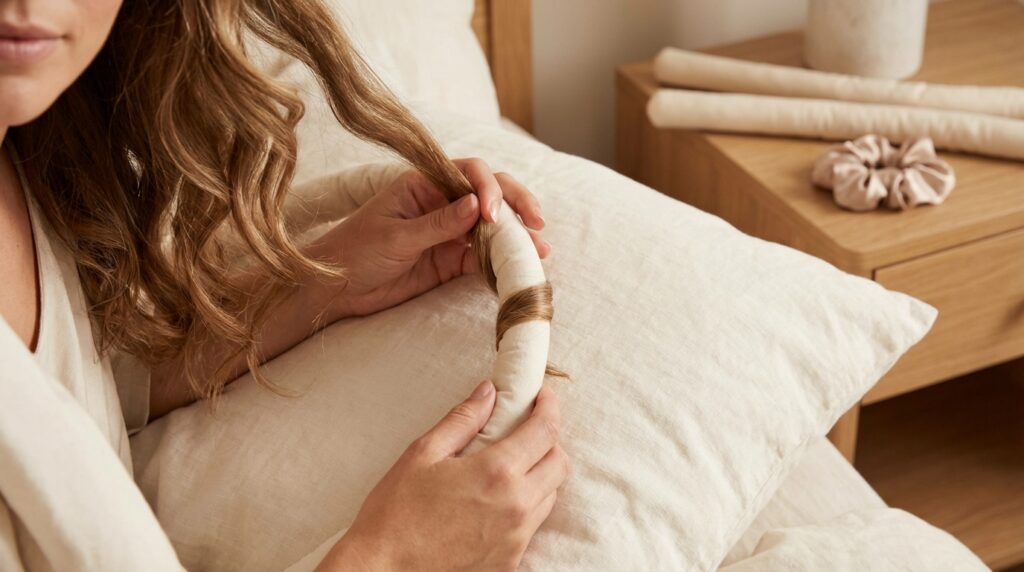
If tight curls aren’t your thing, look for a rod with a larger diameter. These create soft, beachy bends rather than defined ringlets. Great for a relaxed, second-day-hair vibe without any heat.
- Pros: Natural-looking waves, less “done” appearance, comfortable to sleep in
- Cons: Won’t give you bouncy curls, waves may fall faster on straight hair
Who This Is For (and Who It’s Not)
Heatless curling headbands work best for people who have some time—ideally overnight or at least 4-6 hours—to let the curls set. If you’re hoping for curls in 30 minutes, this method will disappoint you. They’re also ideal for anyone trying to reduce heat damage, whether you’re growing out fried ends or just want healthier hair long-term.
That said, if you have very short hair (above chin length), most rod-style headbands won’t work well. You’d need a different heatless method like flexible rollers or pin curls. And if your hair is extremely resistant to holding a curl—like very straight, fine, and silky—you may need to adjust your expectations. Heatless curls on this hair type often relax into soft waves within a few hours rather than lasting all day.
A quick note: if you notice any scalp irritation or discomfort from wearing the headband overnight, take a break. Some people find certain materials irritating, and it’s not worth sacrificing comfort for curls.
Common Mistakes to Avoid
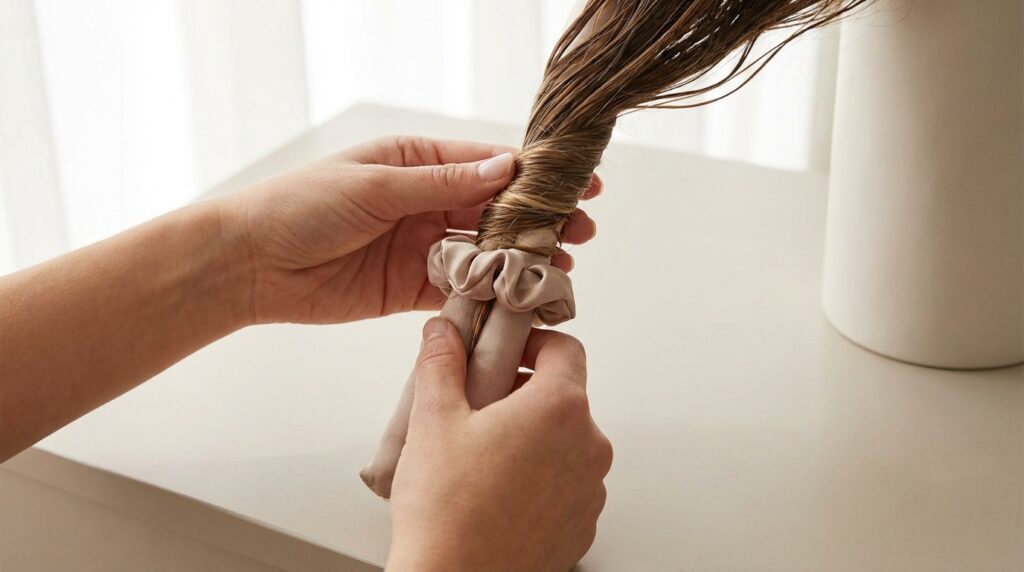
- Wrapping soaking wet hair: Your hair should be about 80-90% dry—damp, not wet. Wet hair won’t dry fully overnight and you’ll wake up with a frizzy, half-curled mess.
- Skipping product entirely: A light mousse or curl cream helps the style hold. You don’t need much—just enough to give your hair some grip.
- Wrapping too loosely: The hair needs consistent tension around the rod. Loose wrapping equals limp waves.
- Not securing the top: If the headband slides back while you sleep, your curls will be uneven. Use the included clips or ties, or add a loose scrunchie on top.
- Unwrapping too fast: Patience matters. Gently unwind and let the curls fall before touching them too much. Raking your fingers through immediately will loosen everything.
Frequently Asked Questions
How long do heatless curls last?
It depends on your hair type and whether you use product. Most people get one full day of curls that gradually relax into waves. Fine, straight hair may see curls drop within a few hours, while thicker or naturally wavy hair can hold the style into the next day. A light hairspray after unwrapping helps extend the look.
Can I use a heatless curling headband on short hair?
If your hair is at least shoulder-length, yes. Shorter than that, and you won’t have enough length to wrap around the rod properly. For chin-length or shorter hair, try flexible foam rollers or sock curls instead.
Do I need to sleep in it, or can I wear it during the day?
Either works, as long as you leave it in for at least 4-6 hours. Some people wrap their hair in the morning and wear a headscarf or hat over it while working from home. Overnight is just the most convenient for most routines.
Why are my curls frizzy when I unwrap?
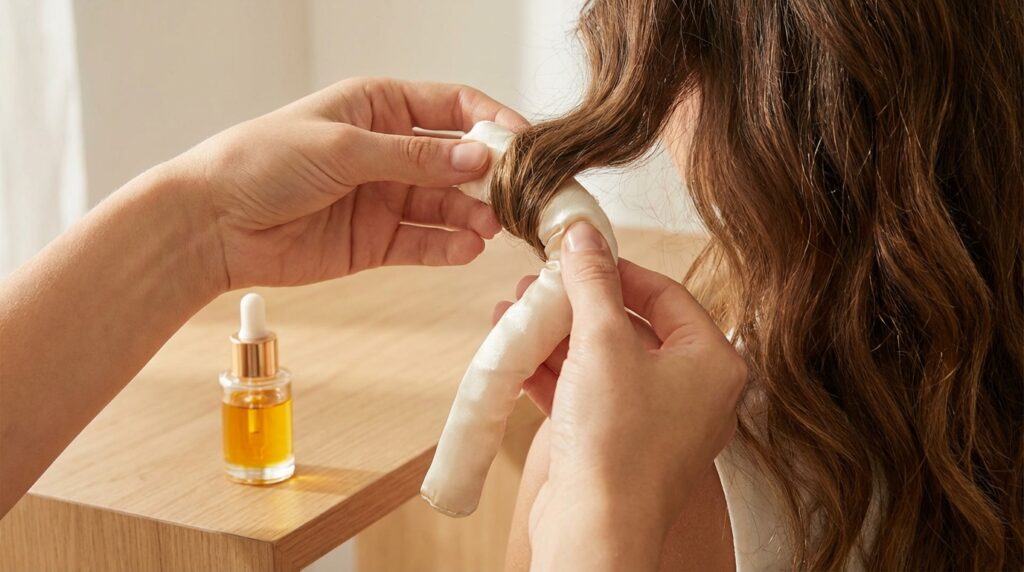
Usually it’s one of three things: hair was too wet when wrapped, the rod material is too rough (try silk or satin), or you’re unwrapping too aggressively. Slow, gentle unwinding and a drop of hair oil on your palms before scrunching can help smooth things out.
Summary and Next Step
The best heatless curling headband for you comes down to your hair type and what kind of curl you want. Fine hair does better with velvet-grip or tighter-wrap designs; thick or long hair needs extra length; and anyone prioritizing hair health should lean toward silk or satin materials. Budget sets are a smart way to test the method before committing to a pricier option.
If you’re new to heatless curls, start with a mid-range satin set that includes clips or ties—it covers the basics without overcomplicating things. Give yourself a few tries to get the wrapping technique down, and don’t be discouraged if the first attempt isn’t perfect. Once you find your rhythm, you might wonder why you ever reached for a curling iron at all.