
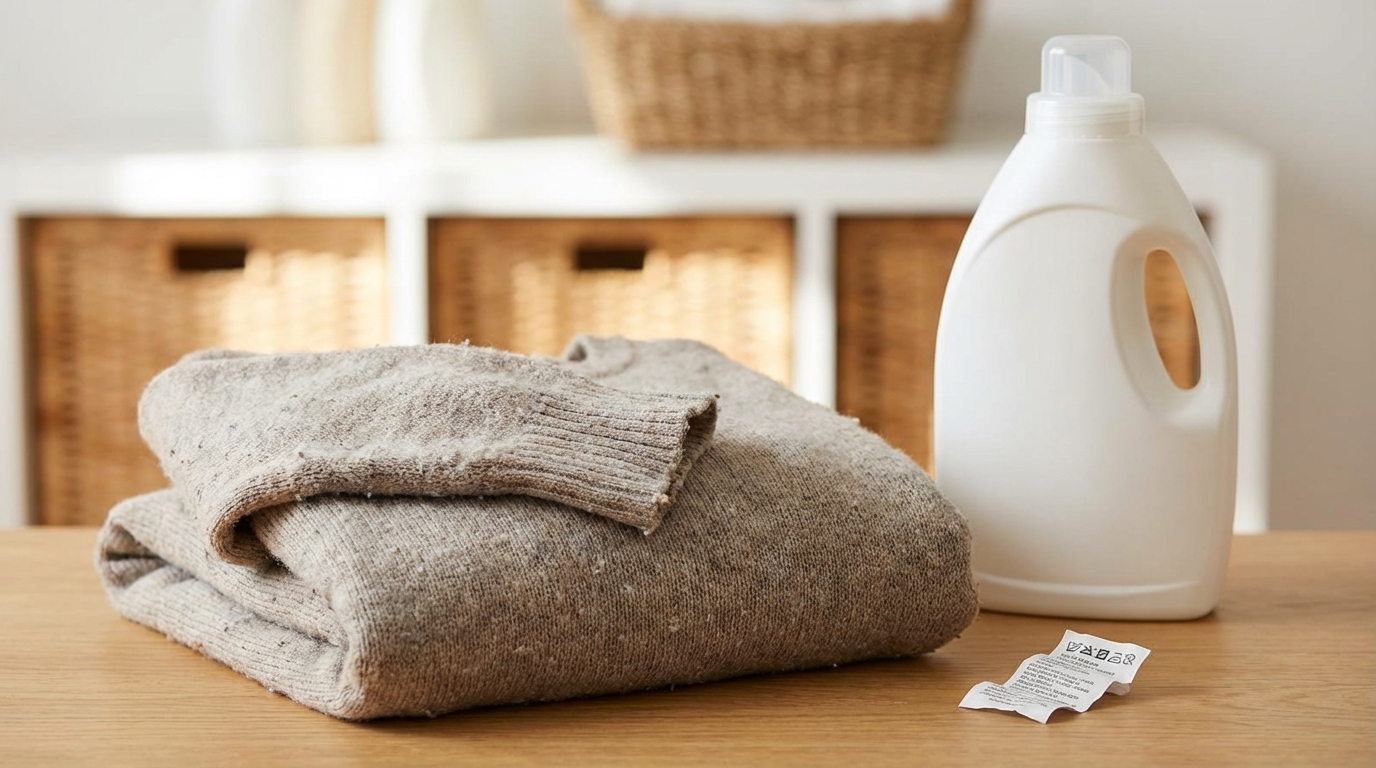
You buy a sweater you love, wear it a handful of times, and suddenly it looks like something you rescued from a donation bin. The pilling, the fading, the stretched-out neckline—none of it makes sense because you barely wore it. Here’s the frustrating truth: most clothing care mistakes happen not from neglect, but from doing things we assume are helpful. Overwashing, using the wrong settings, or skipping simple steps can age your clothes faster than actual wear ever will.
This post breaks down the most common wardrobe-wrecking habits and shows you exactly how to fix them. You’ll walk away knowing which mistakes are silently destroying your favorite pieces, how to extend the life of everything from denim to delicates, and where a few small changes save you real money over time.
Quick Fix Checklist
- Wash less often—most items don’t need cleaning after every wear
- Turn clothes inside out before washing to protect colors and surfaces
- Use cold water for almost everything (hot water is rarely necessary)
- Stop overloading the machine; clothes need room to move
- Skip the dryer when possible, especially for knitwear and elastic fabrics
- Zip up zippers and fasten hooks before tossing items in the wash
- Read care labels—they exist for a reason
Overwashing: The Habit That Ages Clothes Fastest
This is the biggest offender, and almost everyone does it. Throwing jeans in the wash after one wear, laundering a blouse you wore for three hours at dinner—it all adds up. Every wash cycle causes friction, which breaks down fibers, fadesdyes, and weakens fabric structure. In practice, most garments don’t need washing nearly as often as we think.
Jeans, for example, can go weeks between washes if you air them out overnight. Sweaters and cardigans worn over a base layer rarely need more than occasional freshening. Bras last longer when washed every three to four wears rather than after each use. If something isn’t visibly dirty or smelly, ask yourself if it actually needs the machine—or just a quick spot clean and some fresh air.
When You Really Do Need to Wash
Underwear, socks, workout clothes, and anything worn against sweaty skin should be washed after every use. Stained items need prompt attention before the stain sets. But that cashmere cardigan you wore to the office for a few hours? Hang it up, let it breathe, and save it from unnecessary stress.
Using the Wrong Water Temperature
Hot water has its place—sanitizing towels, washing heavily soiled workwear—but for everyday laundry, it’s overkill. High heat breaks down elastic fibers, causes shrinkage in natural fabrics, and accelerates color fading. A common issue is assuming that hotter water means cleaner clothes. Modern detergents are designed to work effectively in cold water, so you’re not sacrificing cleanliness by turning down the dial.
Cold water is gentler on fabrics, better for the environment, and easier on your utility bill. If you’re worried about odors or bacteria, a quality detergent and an occasional warm wash for specific items will handle it. Reserve hot water for things like bedding when someone’s been sick, or clothdiapers—not your favorite cotton tees.
Dryer Damage: Heat, Tumbling, and Shrinkage
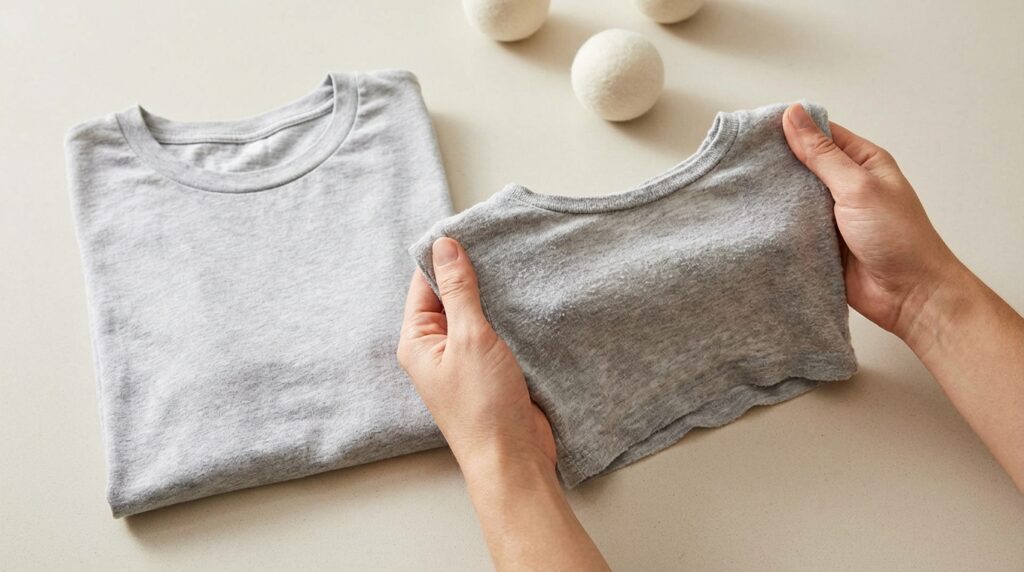
The dryer is convenient, but it’s hard on clothes. The combination of heat and tumbling action causes shrinkage, weakens elastic, and creates that fuzzy pilling you see on sweaters and activewear. If you’ve ever pulled a fitted shirt from the dryer and found it suddenly too short, you’ve experienced this firsthand.
Airdrying is the simplest way to extend clothing life. Lay knitwear flat to prevent stretching. Hang shirts and blouses on hangers to minimize wrinkles. If you must use the dryer, opt for low heat and remove items while they’re still slightly damp—overdrying is where most of the damage happens.
Items That Should Never See the Dryer
- Anything with elastic (bras, underwear, activewear, swimsuits)
- Wool and cashmere—they’ll shrink and felt
- Embellished or sequined pieces
- Linen, which wrinkles dramatically and can shrink
- Leather and faux leather accents
Ignoring Care Labels (Or Guessing Wrong)
Those tiny tags sewn into your clothes aren’t just decoration. They tell you exactly how to clean a garment without ruining it. Most people glance at them once—if at all—and then proceed to wash everything the same way. This is how silk blouses end up water-stained and wool sweaters come out doll-sized.
A quick refresher: a tub symbol with a hand means hand wash only. A circle means dry clean. A square with a circle inside refers to tumble drying, and the dots inside indicate heat level. If you see an X through any symbol, avoid that method entirely. It takes five seconds to check, and it can save an expensive piece from becoming a cleaningrag.
If you’re ever unsure about a fabric and there’s no label, err on the side of caution: cold water, gentle cycle, air dry. You can always try a more aggressive approach later, but you can’t undo shrinkage or color bleeding.
Common Mistakes That Sneak Past Most People
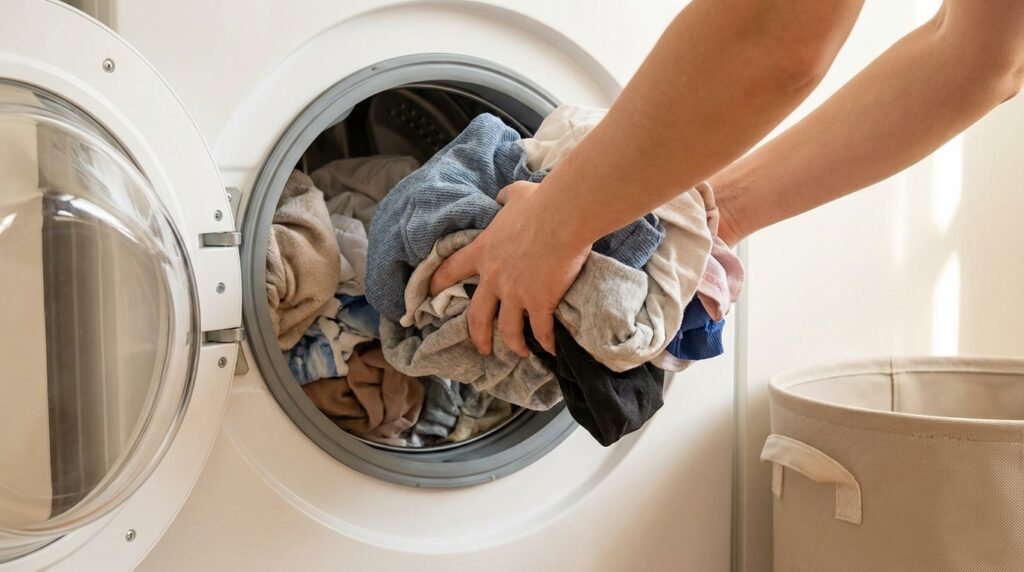
- Overloading the washing machine: Clothes need space to move and rinse properly. An overstuffed drum means detergent residue stays trapped in fibers, causing stiffness and dullness over time.
- Using too much detergent: More soap doesn’t equal cleaner clothes. Excess detergent leaves a film that attracts dirt and makes fabrics feel stiff. Follow the recommended amount or use slightly less.
- Leaving zippers and hooks undone: Open zippers snag on delicate fabrics. Unfastened bra hooks catch on everything. Zip up, hook up, and turn items inside out for extra protection.
- Skipping mesh laundry bags: Delicates, bras, and anything with lace or thin straps belong in a mesh bag. It prevents tangling, stretching, and snagging.
- Hanging knitwear: Heavy knits stretch when hung. Fold them instead, or lay them flat on a shelf. If you’re short on space, fold the sweater over the hanger bar rather than threading the hanger through the shoulders.
- Storing clothes in direct sunlight: UV exposure fades fabric, even through windows. Keep your closet or clothing rack away from bright light sources.
Stain Treatment Gone Wrong
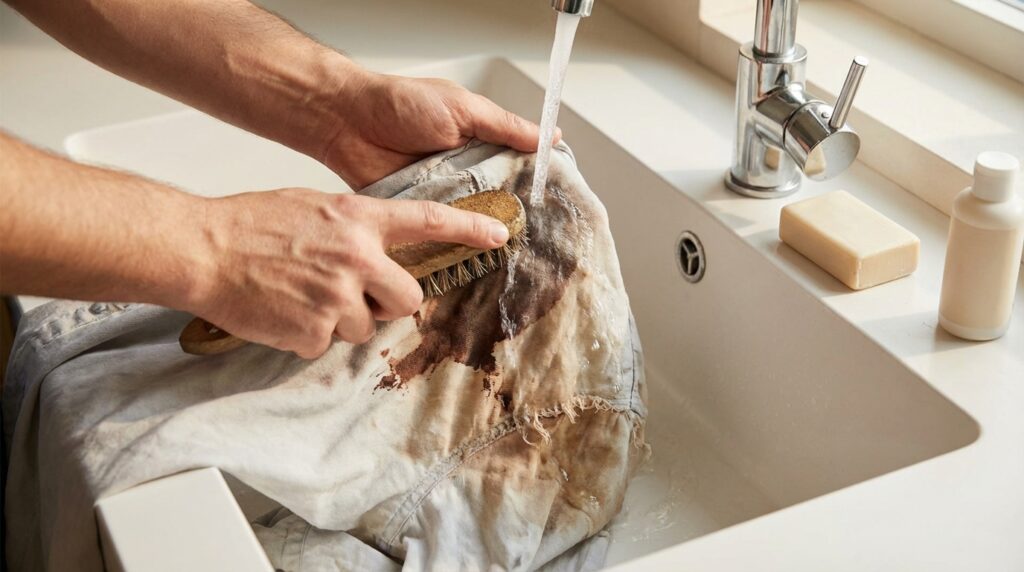
Stains are stressful, and the instinct is to attack them immediately with whatever’s nearby. But aggressive scrubbing, hot water, and the wrong products often make things worse. Rubbing a fresh stain pushes it deeper into the fibers instead of lifting it out. Hot water can set protein-based stains like blood or egg permanently.
The better approach: blot gently with a clean cloth to absorb as much as possible. Use cold water first. Apply a stain remover or a small amount of dish soap, let it sit for a few minutes, then launder as usual. For stubborn stains, repeat the process beforedrying—heat from the dryer will lock in anything you missed.
If You’re in a Rush
Keep a stain pen or portable stain wipe in your bag. It won’t work miracles, but treating a stain within minutes gives you a much better chance of removing it later. Even dabbing with plain water and a napkin is better than letting something dry untreated.
Frequently Asked Questions
How often should I actually wash my jeans?
Mostdenim experts suggest every five to ten wears, or when they start to smell or feel stretched out. Spot clean small stains and air them out between wears. Washing too often fades the color and breaks down the cotton fibers faster.
Is fabric softener bad for clothes?
It can be. Fabric softener coats fibers with a waxy residue, which reduces absorbency in towels and can clog moisture-wicking fabrics in activewear. For everyday clothes it’s fine in moderation, but skip it for towels, sportswear, and anything flame-resistant.
Can I fix clothes that have already been damaged by bad care?
Sometimes. Pilling can be removed with a fabric shaver. Shrunken wool can occasionally be stretched back by soaking in lukewarm water with hair conditioner, then gently reshaping. Faded colors are harder to reverse, though fabricdye can refresh solid-colored items. Prevention is easier than repair, but not all hope is lost.
Does sorting laundry by color really matter?
For new or brightly colored items, yes. Freshdyes bleed more easily, especially in warm water. Once you’ve washed something several times and no color transfers, you can be more relaxed. But a brand-new red shirt in with your white towels? That’s how you end up with pink towels.
Summary and Next Step
Most clothing care mistakes come down to doing too much—washing too often, using too much heat, adding too much detergent. The good news is that gentler habits are also easier habits. Fewer loads, lower temperatures, and a bit more airdrying will keep your wardrobe looking better for longer without adding effort to your routine.
Pick one change to start with this week. Maybe it’s checking care labels before washing, or finally getting a mesh bag for your delicates. Small shifts add up, and your clothes—and your budget—will thank you for it.