
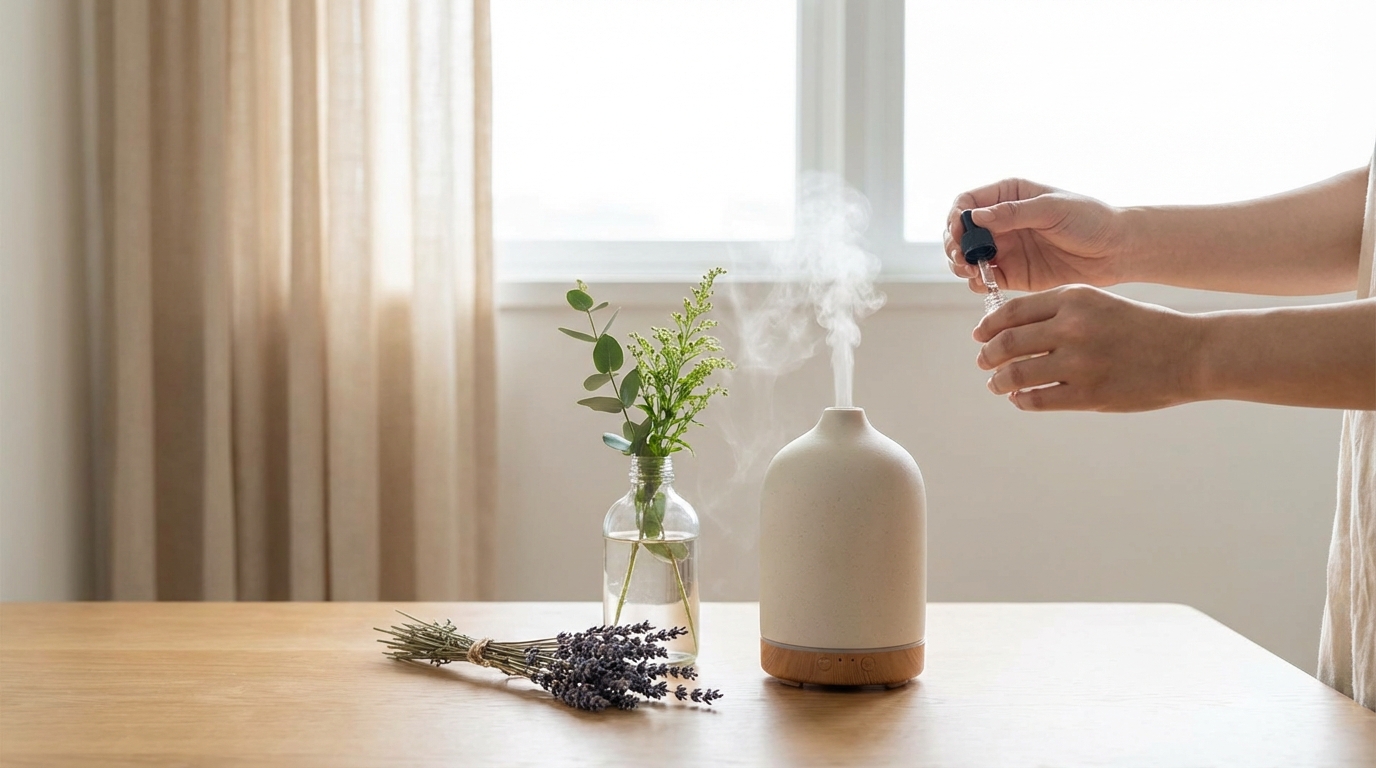
You walk into your home after a long day, and something just smells… off. Maybe it’s last night’s dinner lingering, the dog’s favorite spot on the couch, or that mysterious funk from the laundry hamper. The instinct is to grab an aerosol can and blast the room with artificial lavender. But if you’ve ever felt a little uneasy about breathing in a cloud of synthetic fragrance, you’re not alone. More people are looking for greener ways to freshen the air at home without relying on heavy sprays packed with ingredients they can’t pronounce.
This post covers practical, low-effort methods to keep your space smelling pleasant using simple ingredients and habits. You’ll find quick fixes for when guests are on their way, longer-term strategies for ongoing freshness, and a few common mistakes that might be working against you.
Quick Natural Air Freshening Ideas
- Open windows on opposite sides of your home for 10–15 minutes to create a cross-breeze
- Sprinkle baking soda on carpets, wait 15 minutes, then vacuum
- Simmer water with citrus peels and a cinnamon stick on the stove
- Place a small bowl of white vinegar in a smelly room overnight
- Add a few drops of essential oil to cotton balls and tuck them in corners
Why Move Away from Aerosol Sprays?
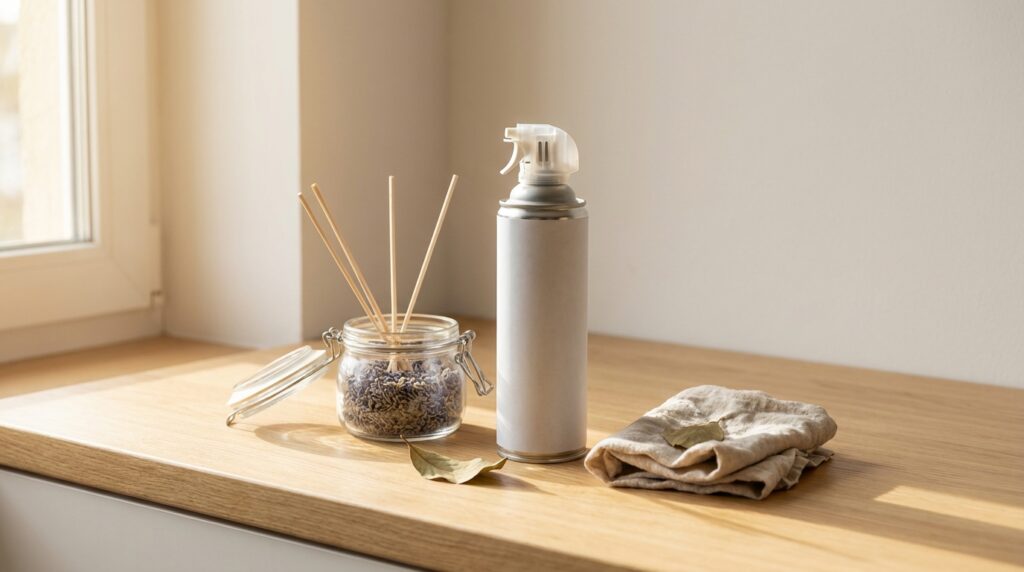
Traditional air fresheners often contain volatile organic compounds (VOCs) and synthetic fragrances that can irritate airways, especially for people with allergies, asthma, or sensitivity to strong scents. In short, VOCs are chemicals that evaporate at room temperature and can affect indoor air quality over time. Heavy sprays also tend to mask odors rather than eliminate them, which means the underlying problem sticks around.
There’s also the environmental angle. Aerosol cans contribute to packaging waste, and some formulations have a larger carbon footprint than simpler alternatives. If you’re already making swaps in other areas of your home—switching to reusable cloths, choosing plant-based cleaners—it makes sense to extend that thinking to how you freshen the air.
None of this means you need to live in a home that smells like nothing. Natural options can be just as effective, and many of them cost almost nothing.
Simple Methods That Actually Work
Ventilation First
Before reaching for any product, the simplest way to freshen indoor air is to let stale air out and fresh air in. Opening windows on opposite ends of your home creates a cross-breeze that clears out odors faster than any spray. Even five minutes makes a noticeable difference.
If you live in a small apartment or don’t have windows that open well, running an exhaust fan in the bathroom or kitchen helps. A common mistake is only opening one window and expecting magic—air needs somewhere to go.
Baking Soda for Absorption
Baking soda is the quiet workhorse of natural odor control. It doesn’t add fragrance; it absorbs smells. Sprinkle it on carpets, rugs, or upholstered furniture, let it sit for 15–30 minutes, and vacuum it up. For ongoing freshness, keep an open box in the fridge, near the trash can, or inside closets.
A small jar with holes poked in the lid works well for tucking into shoes or gym bags. It’s not glamorous, but it’s effective and costs almost nothing.
Stovetop Simmers
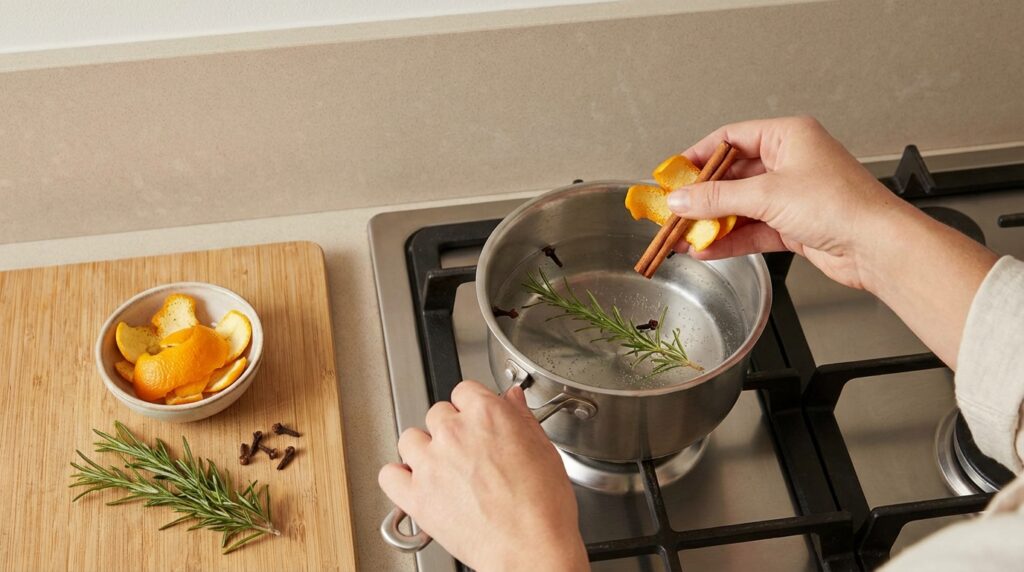
This is the trick people use when they want their home to smell amazing before guests arrive. Fill a small pot with water, add citrus peels (orange, lemon, or grapefruit), a cinnamon stick, a few cloves, or a sprig of rosemary. Let it simmer on low heat, and the steam carries the scent through your home.
Keep an eye on the water level so it doesn’t boil dry. You can refrigerate the mixture and reuse it for a couple of days. If you’re running late and need a shortcut, even just boiling water with a splash of vanilla extract creates a warm, welcoming smell in minutes.
DIY Room Sprays
If you like the ritual of spritzing something, you can make a simple room spray with water, a bit of rubbing alcohol or witch hazel, and a few drops of essential oil. Lavender, eucalyptus, peppermint, and citrus oils are popular choices. Use a glass spray bottle if possible, since some essential oils can degrade plastic over time.
A basic recipe: fill a small spray bottle with water, add a tablespoon of witch hazel, and 10–15 drops of your chosen oil. Shake before each use. It won’t last as long as commercial sprays, but it’s free of synthetic fragrance and you control exactly what goes into it.
One note: essential oils are concentrated plant extracts. If you have pets, especially cats, research which oils are safe before diffusing or spraying them around your home. Some oils that smell lovely to humans can be irritating or harmful to animals.
Houseplants (With Realistic Expectations)
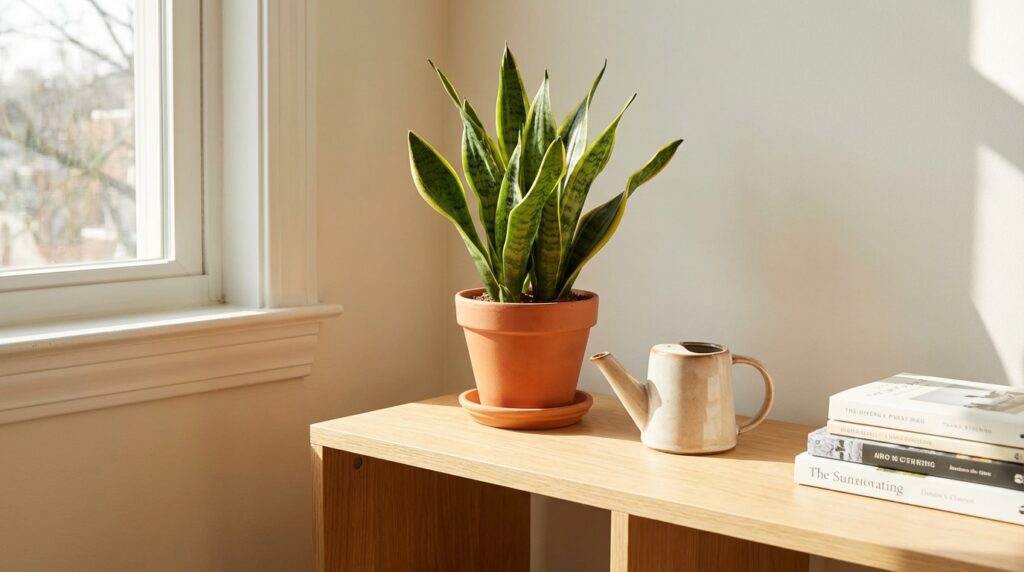
You’ve probably seen claims that certain houseplants “purify the air.” The reality is more modest. While plants do absorb some pollutants, you’d need a small jungle to make a measurable difference in air quality. That said, plants add life to a room, and some—like jasmine or gardenias—offer natural fragrance when they bloom.
If you’re not great with plants, low-maintenance options like pothos or snake plants are forgiving. They won’t transform your air quality overnight, but they contribute to a fresher-feeling space and look nice doing it.
Activated Charcoal and Natural Absorbers
Activated charcoal works similarly to baking soda but is often more effective for stubborn odors. Small bags of activated charcoal can be placed in closets, cars, or near litter boxes. They’re reusable—just set them in the sun every few weeks to “recharge.”
Coffee grounds are another option. Dry, used grounds in a small bowl absorb odors in the fridge or pantry. They do leave a faint coffee smell, which some people love and others find distracting.
Common Mistakes When Going Spray-Free
- Masking instead of removing: Layering scents on top of bad smells doesn’t fix the source. Find and clean whatever’s causing the odor first.
- Overdoing essential oils: More drops don’t mean better results. Strong concentrations can cause headaches or irritate sensitive noses. Start with less and add gradually.
- Ignoring humidity: Damp environments breed mildew and musty smells. A dehumidifier or simply running a fan after showers helps prevent odors from forming in the first place.
- Forgetting fabric: Curtains, throw pillows, and upholstery trap smells. Washing or airing them out regularly makes a bigger difference than any air freshener.
- Expecting instant results: Natural methods often work more gradually than chemical sprays. Give them time, especially for absorbers like baking soda or charcoal.
Frequently Asked Questions
How long does a stovetop simmer last?
The scent typically lingers for a few hours after you turn off the heat. For longer-lasting fragrance, simmer in short sessions throughout the day rather than one long stretch.
Are essential oils safe around children?
Most are fine when used in moderation and diffused rather than applied directly. Keep oils out of reach, and avoid diffusing heavily in rooms where babies or young children sleep. If you notice any irritation, stop use and ventilate the area.
What’s the fastest way to get rid of cooking smells?
Ventilation is your best friend. Turn on the range hood while cooking, open a window, and simmer a pot of water with lemon slices or vinegar afterward. Wiping down surfaces where grease landed also helps, since lingering residue holds onto smells.
Do air-purifying bags really work?
Activated charcoal bags do absorb odors over time, but they’re not miracle workers. They’re best for enclosed spaces like closets, cars, or small rooms. For larger areas, combine them with good ventilation and regular cleaning.
Summary and Next Step
Freshening your home without heavy sprays doesn’t require a complete lifestyle overhaul. Start with the basics: open windows more often, address odor sources directly, and keep baking soda on hand for quick absorption. From there, experiment with stovetop simmers or a simple DIY spray to add pleasant scents without synthetic ingredients.
Pick one method from this list and try it this week. Maybe it’s finally tossing that open box of baking soda that’s been in the fridge for two years and replacing it with a fresh one. Small changes add up, and your nose—and lungs—will thank you.