
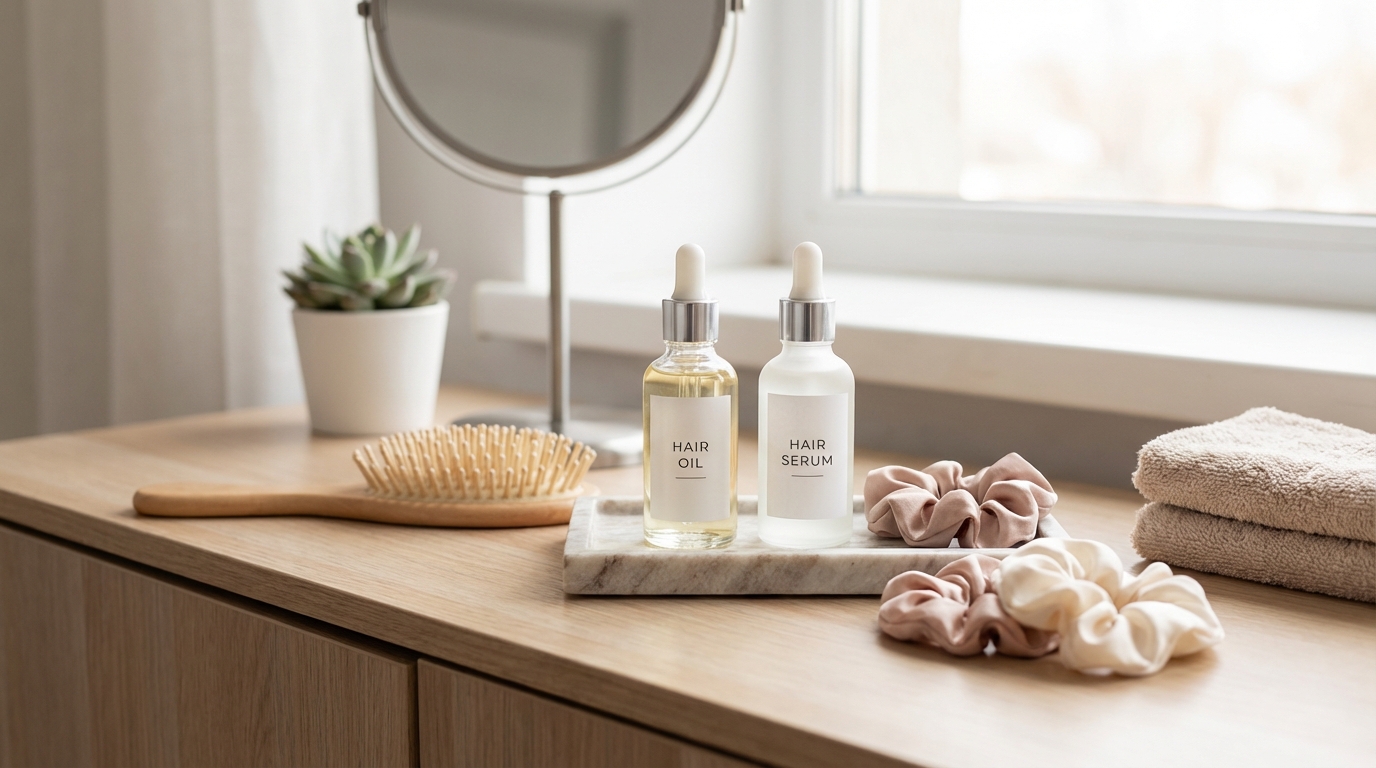
You’re standing in the hair care aisle, staring at two bottles that look almost identical. One says “hair oil,” the other says “hair serum.” Both promise shiny, smooth, frizz-free hair. Both cost roughly the same. So what’s the actual difference between hair oil vs. hair serum, and does it even matter which one you grab? Spoiler: it does matter, and picking the wrong one can leave your hair looking greasy or feeling like straw.
By the end of this post, you’ll know exactly what each product does, which hair types benefit most from each, and how to figure out which one belongs in your routine (or whether you need both).
Quick Verdict: Hair Oil vs. Hair Serum
- Choose hair oil if: Your hair is dry, coarse, curly, or damaged and needs deep nourishment. You don’t mind a slightly heavier feel.
- Choose hair serum if: Your hair is fine, oily at the roots, or you mainly want frizz control and shine without weight.
- Use both if: You have dry ends but oily roots, or you want oil for treatment nights and serum for daily styling.
What Exactly Is Hair Oil?
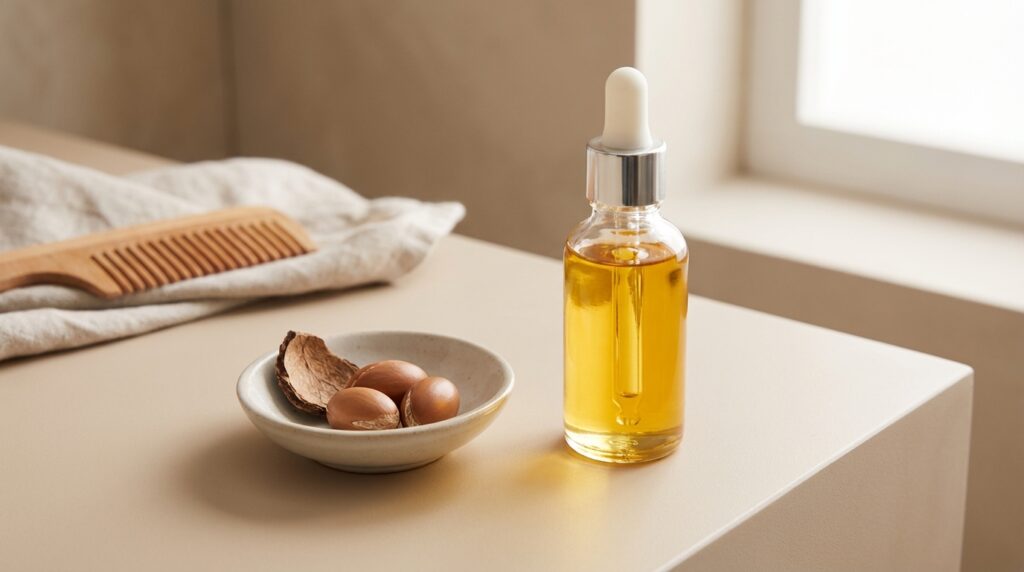
Hair oil is pretty much what it sounds like: oil. It can be a single plant-based oil (like argan, coconut, or jojoba) or a blend of several oils mixed together. The molecules in most hair oils are small enough to actually penetrate the hair shaft, which means they can moisturize from the inside out rather than just sitting on top.
This is why hair oils work so well as treatments. You apply them before washing, leave them on for a while, and they genuinely condition the hair fiber. Some people use lighter oils as finishing products too, but the real strength of hair oil is in that deeper nourishment.
Best Uses for Hair Oil
- Pre-wash treatments (apply to dry hair 20 minutes to overnight before shampooing)
- Scalp massage to support healthy roots
- Intensive repair for bleached, heat-damaged, or chemically treated hair
- Taming very thick, coarse, or curly textures
A common mistake is applying too much oil to already-styled hair and wondering why it looks greasy. Hair oil is potent. A few drops go a long way, especially on fine hair. If you’re using it as a finishing touch, warm a tiny amount between your palms and focus only on the ends.
What Exactly Is Hair Serum?
Hair serum is a silicone-based (or silicone-alternative) liquid designed to coat the outside of the hair strand. Think of it like a protective jacket. It smooths down the cuticle, reflects light for that glossy look, and creates a barrier against humidity and heat.
Unlike oil, most serums don’t penetrate the hair. They work on the surface. This makes them fantastic for instant results: you apply a serum to damp or dry hair and immediately see less frizz and more shine. The trade-off is that serums don’t actually repair or deeply condition anything. They’re cosmetic, not therapeutic.
Best Uses for Hair Serum
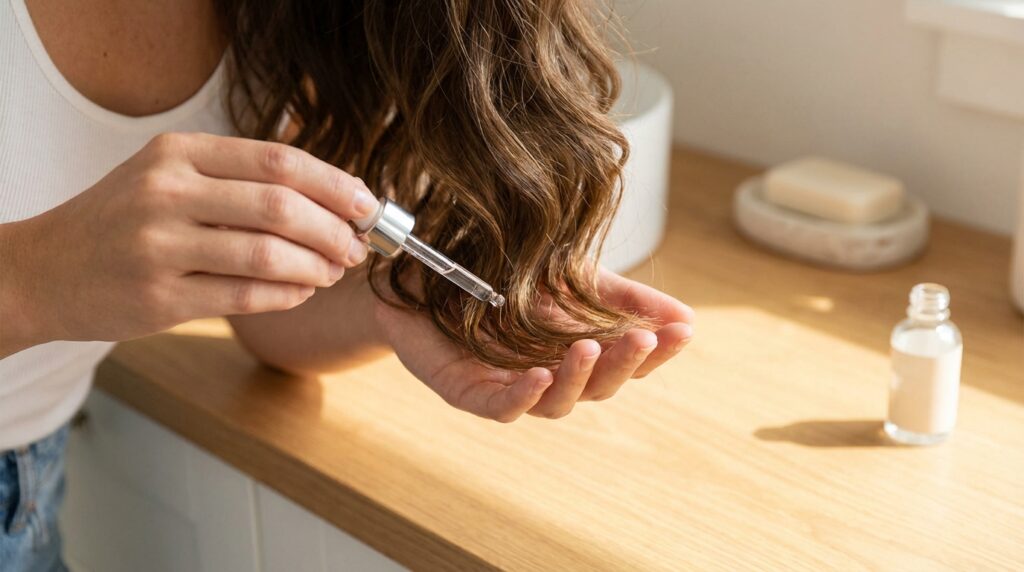
- Smoothing frizz and flyaways on styled hair
- Heat protection before blow-drying or flat ironing (check the label to confirm it offers heat protection)
- Adding shine without heaviness
- Keeping fine or limp hair from getting weighed down
If you live somewhere humid, serum is often more practical for daily use than oil. It creates that seal against moisture in the air that causes frizz to puff up. Oil can help too, but serum tends to hold up better throughout the day without feeling heavy.
Hair Oil vs. Hair Serum: Key Differences at a Glance
- Composition: Oil is plant-derived fats; serum is typically silicone-based or uses silicone alternatives.
- How it works: Oil penetrates and nourishes; serum coats and protects.
- Texture: Oil feels richer and can be heavier; serum feels lighter and more slippery.
- Best timing: Oil shines as a treatment (before washing or overnight); serum shines as a styling finisher.
- Hair type fit: Oil suits dry, thick, or damaged hair; serum suits fine, oily, or frizz-prone hair.
Common Mistakes When Using Hair Oil or Serum
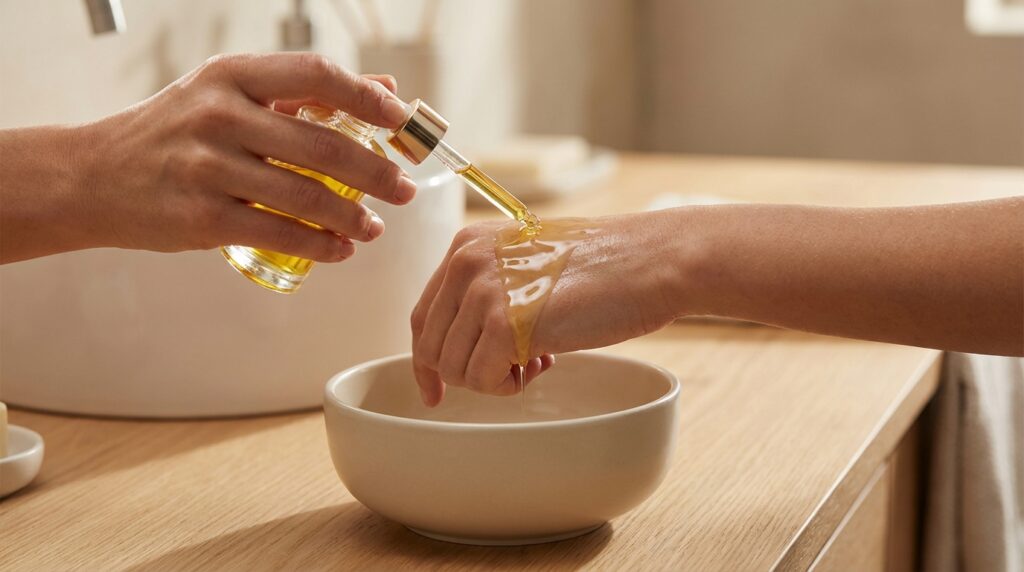
Even the right product can backfire if you use it wrong. Here are the issues that trip people up most often:
- Using too much: Both products are concentrated. Start with two to three drops, add more only if needed. You can always add, but you can’t subtract without rewashing.
- Applying to roots when you shouldn’t: Unless you have a very dry scalp, keep oil and serum on the mid-lengths and ends. Roots get oily fast enough on their own.
- Expecting serum to fix damage: Serum makes damaged hair look better temporarily, but it won’t repair split ends or rebuild protein. If your hair is truly fried, you need treatments (or a trim).
- Skipping the wash after heavy oiling: If you use oil as an overnight mask, shampoo thoroughly the next day. Leftover oil buildup can make hair limp and attract dirt.
- Choosing based on marketing, not ingredients: Some products labeled “oil” are actually silicone-heavy serums, and vice versa. Flip the bottle and check. If dimethicone or cyclomethicone is near the top, it’s functioning more like a serum.
Can You Use Both Hair Oil and Hair Serum?
You can, and plenty of people do. The trick is using them at different times for different purposes rather than layering them on top of each other in one sitting.
A practical routine might look like this: once or twice a week, apply hair oil to dry hair before bed or an hour before you shower. Let it soak in, then wash and condition as usual. On styling days, after your hair is about 80% dry, smooth a few drops of serum through the ends to cut frizz and add shine.
If you’re running late and only have time for one product, pick based on your priority that day. Need deep softness and your hair feels like straw? Oil. Need to look polished for a meeting and your hair is already decent? Serum.
Who Should Skip Oil (and Who Should Skip Serum)
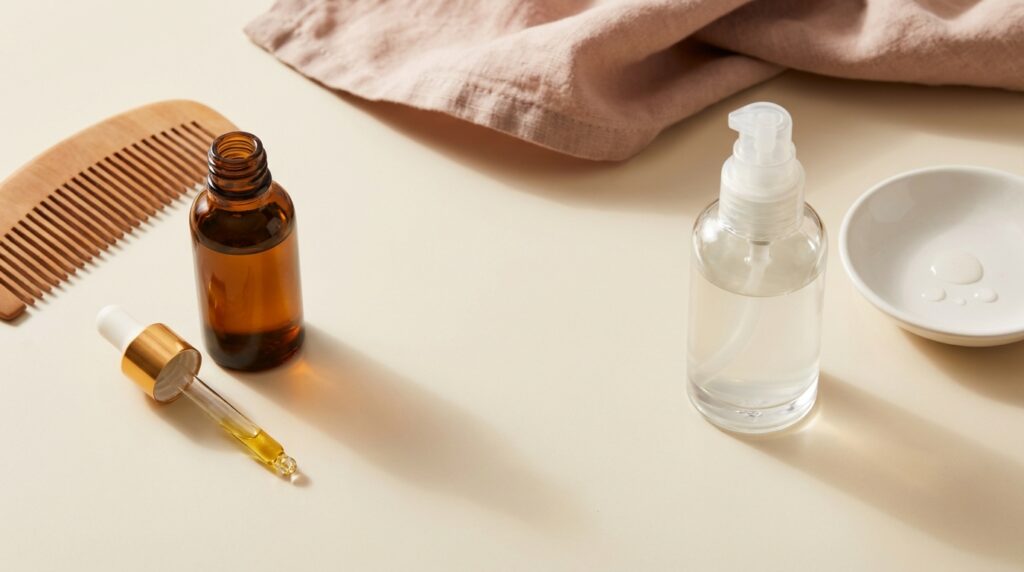
Not every product suits every head of hair. Here’s a quick reality check:
Skip hair oil if: Your hair is very fine and gets greasy within hours of washing. Even lightweight oils can drag fine hair down and make it look unwashed. You might do better with a tiny amount of serum or skipping both entirely.
Skip hair serum if: You’re trying to avoid silicones (some people find they cause buildup over time) or you have extremely dry, porous hair that needs actual moisture, not just a coating. Serum alone won’t give thirsty hair what it needs.
If you’re unsure, test one product at a time for a week or two. Your hair will tell you pretty quickly whether it’s happy or not.
Frequently Asked Questions
Can hair serum cause buildup?
Silicone-based serums can build up over time, especially if you use them daily and wash with a gentle, sulfate-free shampoo. Using a clarifying shampoo once a week or every two weeks helps remove residue. If you notice your hair feeling coated or heavy, that’s usually the sign to clarify.
Is hair oil bad for oily scalps?
Not necessarily, but application matters. Keep oil away from your roots and scalp entirely. Focus on the mid-lengths and ends where dryness actually occurs. Some people with oily scalps still have dry, damaged ends that benefit from oil treatments.
Can I use hair oil as a heat protectant?
Most pure hair oils are not formulated to protect against high heat from styling tools. Some may even smoke or degrade at high temperatures. If heat protection is your goal, look for a serum or spray specifically labeled for heat protection, or use a dedicated heat protectant product.
Which one is better for frizzy hair?
It depends on why your hair is frizzy. If frizz comes from dryness and damage, oil can help over time by improving hair condition. If frizz comes from humidity and you just need to smooth the cuticle for the day, serum gives faster, more visible results.
Summary and Next Step
Hair oil and hair serum aren’t interchangeable, even though they sit next to each other on the shelf. Oil penetrates and nourishes, making it ideal for treatments and deeply dry hair. Serum coats and protects, making it ideal for styling, shine, and frizz control on the go. Knowing the difference helps you stop wasting money on products that don’t match your hair’s actual needs.
Your next step: check what you already own. Flip the bottle, read the first few ingredients, and figure out whether you’re actually using an oil or a serum. Then decide if it’s doing what you need, or if it’s time to switch things up.