
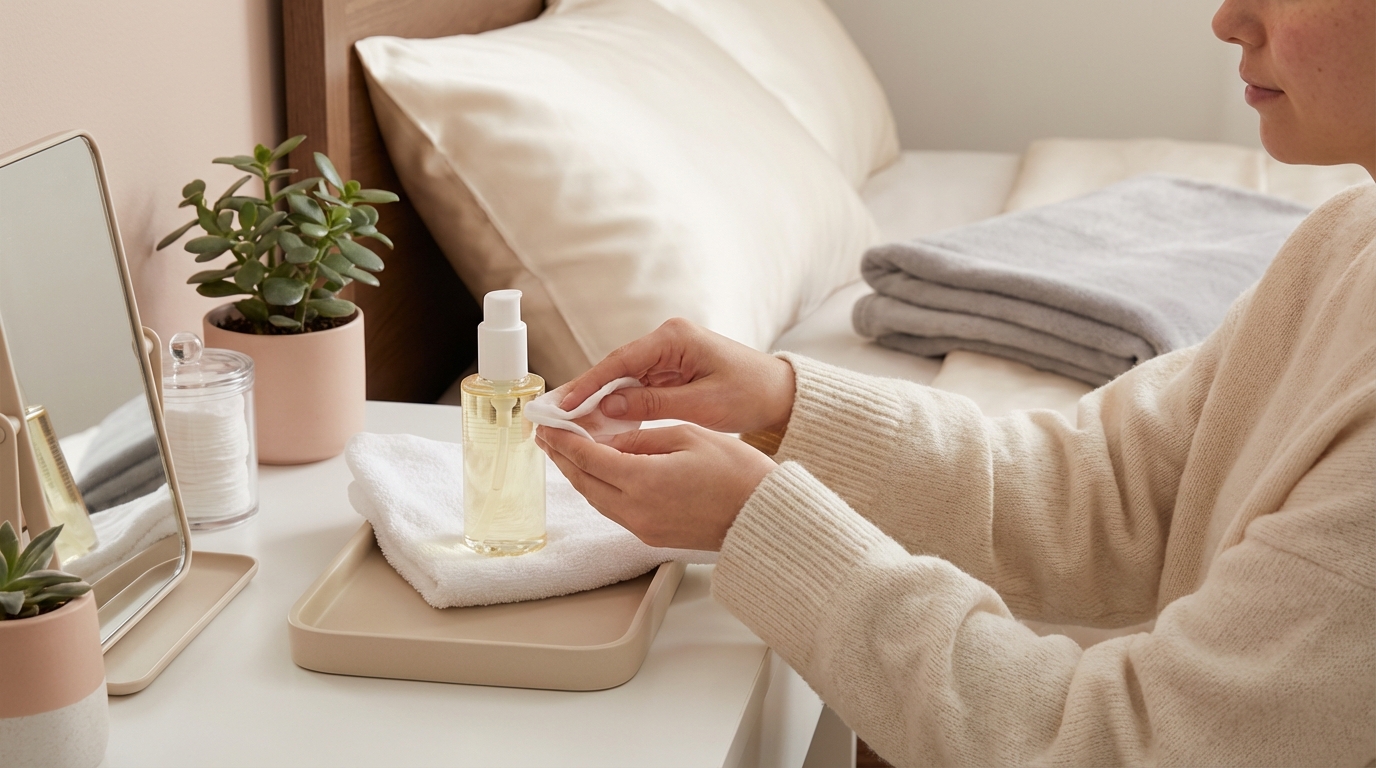
You’ve had a long day, your pillow is calling, and the last thing you want to do is stand at the sink for ten minutes scrubbing your face. But sleeping in makeup is one of those shortcuts that catches up with you fast—clogged pores, dull skin, and that crusty mascara situation nobody wants to wake up to. Learning how to remove makeup gently before bed doesn’t have to be a chore, and it definitely doesn’t require expensive products or complicated routines. By the end of this guide, you’ll have a simple process that takes under five minutes, protects your skin from unnecessary irritation, and actually feels nice instead of like a punishment.
The good news? Gentle makeup removal is more about technique and product choice than spending a fortune. A few smart swaps and a bit of patience go a long way toward keeping your skin happy without draining your wallet.
Quick Routine at a Glance
- Start with an oil-based cleanser or micellar water to dissolve makeup
- Use soft, downward strokes—no scrubbing or tugging
- Follow up with a gentle water-based cleanser if needed
- Pat dry with a clean, soft towel
- Apply moisturizer while skin is still slightly damp
What You’ll Need
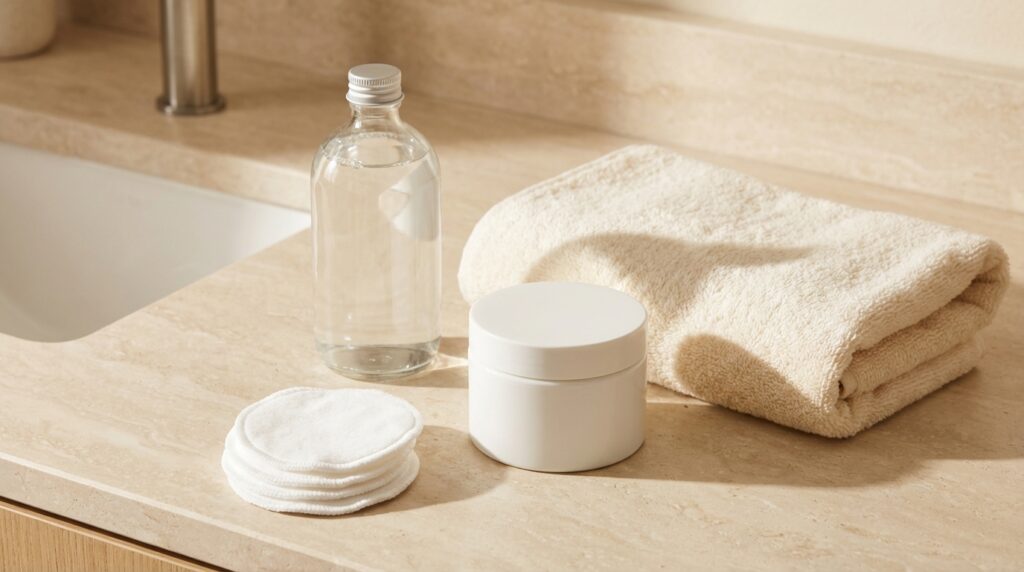
You don’t need a bathroom cabinet full of products to remove makeup gently. In fact, keeping it simple usually works better for your skin and your budget. Here’s what actually helps:
- An oil-based cleanser, cleansing balm, or micellar water
- A gentle water-based cleanser (optional, for double cleansing)
- Soft cotton pads or reusable makeup remover cloths
- A clean, soft towel
- Your regular moisturizer
If you’re on a tight budget, micellar water is often the most affordable option and works surprisingly well for everyday makeup. Cleansing balms tend to cost a bit more upfront but last longer since you use small amounts. Either way, skip anything with harsh alcohols or heavy fragrance—those ingredients can dry out and irritate skin, which defeats the whole “gentle” purpose.
Step-by-Step: How to Remove Makeup Gently Before Bed
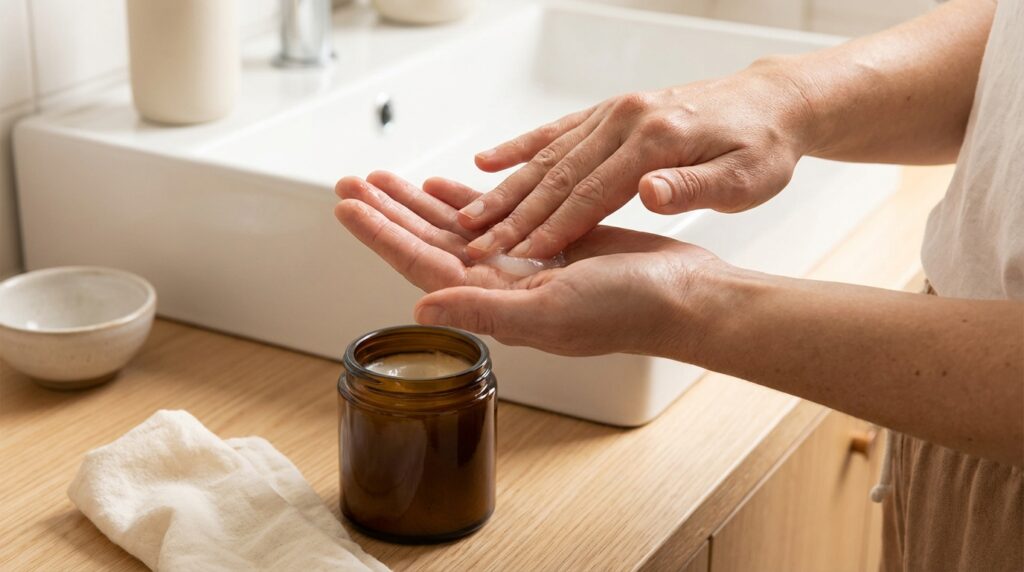
Step 1: Start with dry hands and a dry face. This might feel counterintuitive, but oil-based cleansers and balms work best when they can grip onto makeup without water diluting them first. Squeeze a small amount into your palms—about the size of a nickel is usually enough.
Step 2: Gently massage the cleanser onto your face using your fingertips. Work in small circles, focusing on areas with heavier makeup like your T-zone, cheeks, and around your eyes. Let the product do the work here. You shouldn’t need to press hard or scrub. If you’re wearing waterproof mascara, let the cleanser sit on your lashes for about 20 seconds before wiping—this gives it time to break down the formula.
Step 3: For eye makeup, use a soaked cotton pad or a soft reusable cloth. Press it gently against your closed eye for a few seconds, then wipe downward. Avoid rubbing back and forth, which can tug at the delicate skin around your eyes and potentially cause irritation over time. The skin there is thinner than the rest of your face, so it deserves extra care.
Step 4: Rinse with lukewarm water. Hot water might feel relaxing, but it can strip your skin’s natural oils and leave it feeling tight and dry. Lukewarm is the sweet spot—warm enough to rinse away product, cool enough to keep your skin barrier intact.
Step 5: If you wear heavy or long-lasting makeup, consider a second cleanse with a gentle water-based cleanser. This is called double cleansing, and it’s not strictly necessary for everyone. But if you notice your skin still feels like it has a film after the first cleanse, a quick follow-up can help. Use a small amount, massage briefly, and rinse.
Step 6: Pat your face dry with a clean towel. Rubbing creates friction that can irritate skin, especially if it’s already a bit sensitive from the day. Patting is gentler and just as effective.
Step 7: Apply your moisturizer while your skin is still slightly damp. This helps lock in hydration and makes the most of whatever product you’re using. You don’t need anything fancy—a basic fragrance-free moisturizer works perfectly well.
Shortcut If You’re Short on Time
- Keep micellar water and cotton pads on your nightstand for those nights when you truly cannot make it to the sink
- Use a cleansing balm that emulsifies with water—one step instead of two
- Skip the second cleanse if you’re only wearing light makeup
- Pre-soak reusable cloths and store them in a small container for grab-and-go removal
- Set a phone reminder if you tend to fall asleep on the couch—sometimes the hardest part is just remembering
Common Mistakes That Make Removal Harder on Your Skin

A lot of people think they’re being gentle, but a few habits can quietly cause problems. Here’s what to watch out for:
- Using makeup wipes as your only method. Wipes are convenient, but most require rubbing to work, and they often leave residue behind. They’re fine for emergencies or travel, but not ideal as a daily solution.
- Scrubbing at stubborn mascara. If your eye makeup isn’t budging, the answer isn’t more pressure—it’s more time. Let your remover sit on the area before wiping.
- Skipping moisturizer afterward. Cleansing removes some of your skin’s natural oils along with makeup. Replacing that moisture helps keep your skin balanced.
- Using the same dirty towel all week. Towels collect bacteria quickly. Swap yours out every few days, or use a fresh washcloth each night if you’re prone to breakouts.
- Choosing products with drying alcohols. Check ingredient lists for things like denatured alcohol or isopropyl alcohol near the top. These can be harsh, especially for dry or sensitive skin types.
Picking the Right Remover for Your Skin Type
Not every product works the same for everyone, and that’s okay. Here’s a quick guide to help you choose:
If You Have Oily or Acne-Prone Skin
It might seem weird to put oil on oily skin, but oil-based cleansers can actually help. They dissolve sebum and makeup without stripping your skin, which can reduce the overproduction of oil that happens when skin feels too dry. Look for lightweight formulas that rinse clean. Micellar water is another solid option since it doesn’t leave much residue.
If You Have Dry or Sensitive Skin
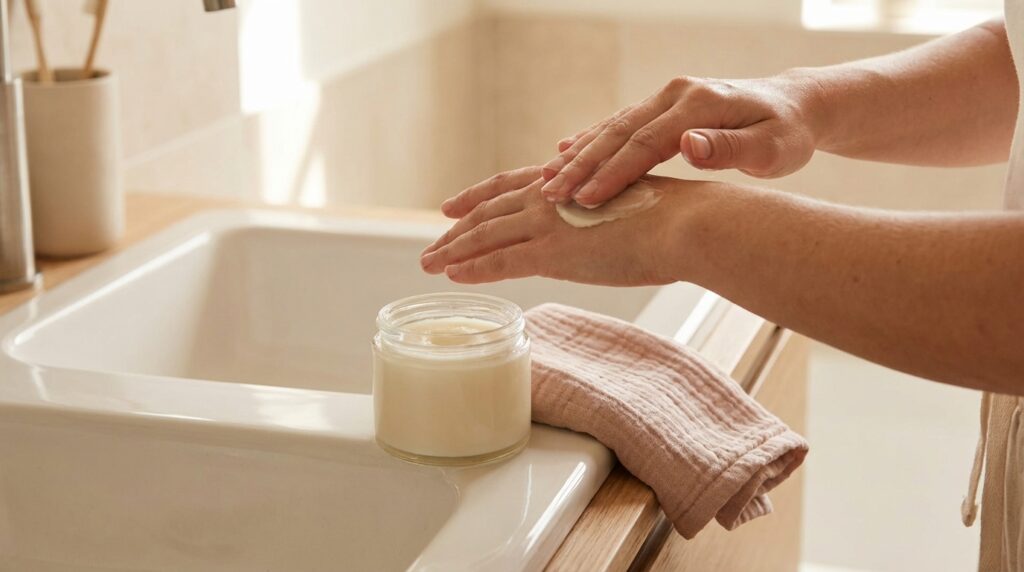
Cleansing balms and cream-based removers tend to be the gentlest. They add moisture while they clean, which is a nice bonus when your skin already feels tight. Avoid anything with fragrance or essential oils if you’re easily irritated. If you notice redness or stinging with a new product, stop using it and try something simpler.
If You Wear Waterproof or Long-Wear Makeup
You’ll likely need an oil-based option to break down those stubborn formulas. Micellar water alone often isn’t enough for heavy-duty makeup, so a cleansing oil or balm will save you time and frustration. The key is patience—let the product sit before wiping.
A quick note: if you have persistent skin concerns like ongoing breakouts, redness, or reactions, it’s worth checking in with a dermatologist. Sometimes what seems like a product issue is actually something else going on.
Frequently Asked Questions
Is it really that bad to sleep in makeup once in a while?
One night probably won’t cause lasting damage, but it’s not great either. Makeup mixed with the day’s oil and dirt can clog pores and lead to breakouts. The skin also does a lot of its repair work overnight, so giving it a clean surface helps. If you’re exhausted, even a quick swipe with micellar water is better than nothing.
Do I need to double cleanse every night?
Not necessarily. Double cleansing is most helpful when you’re wearing heavier makeup or sunscreen. If you only wore light makeup or none at all, a single gentle cleanse is usually enough. Listen to your skin—if it feels clean and comfortable, you’re good.
Can I use coconut oil to remove makeup?
Some people swear by it, but coconut oil is comedogenic for many skin types, meaning it can clog pores. If you’ve used it without issues, that’s fine, but if you’re prone to breakouts, a formulated cleansing oil is a safer bet. Those are designed to rinse off cleanly.
What about reusable makeup remover pads?
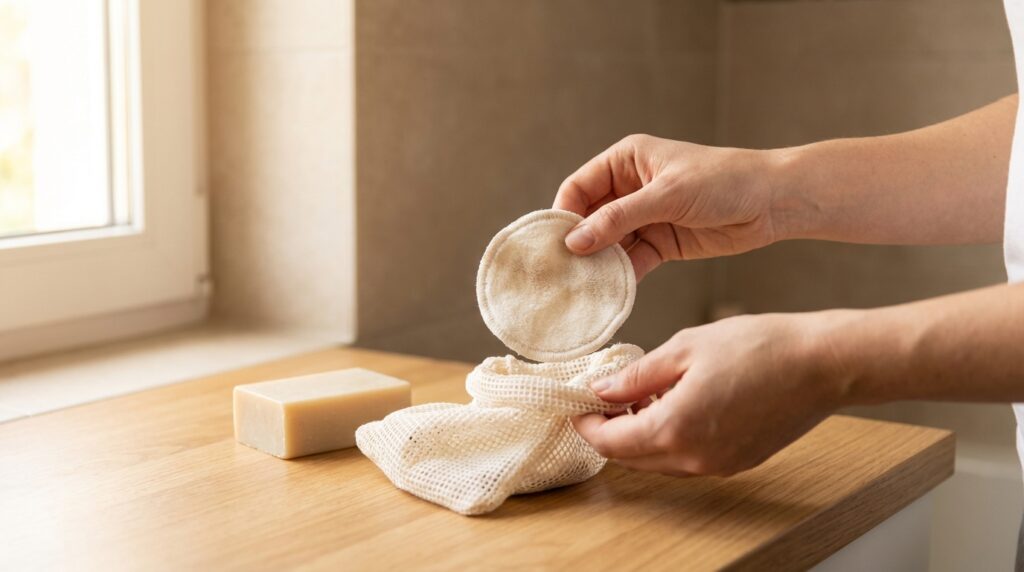
They’re a budget-friendly and eco-friendly option. Just make sure you wash them regularly—ideally after every use or two. A dirty pad can reintroduce bacteria to your skin, which defeats the purpose of cleansing.
Summary and Next Step
Removing makeup gently before bed comes down to a few basics: use the right product for your skin type, let it do the work instead of scrubbing, and follow up with moisture. It doesn’t need to be a long process or an expensive one. A simple routine you’ll actually stick to beats a complicated one you skip half the time.
Tonight, try one small change—maybe swap out those makeup wipes for micellar water, or give your eye makeup an extra few seconds to dissolve before wiping. Small shifts add up, and your skin will thank you in the morning.