
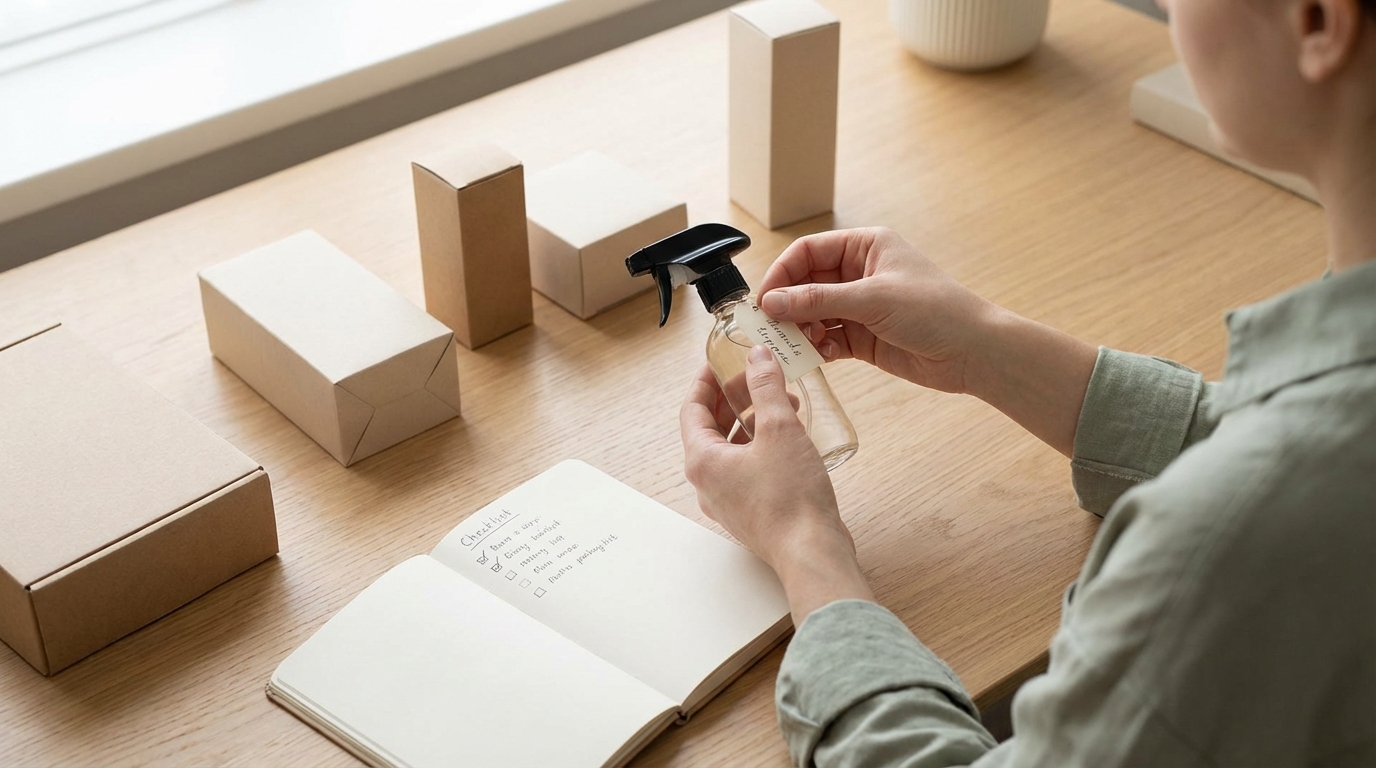
You place an order, it arrives, you unbox it with a little thrill—and then what? Half of it ends up shoved in a drawer, forgotten in a closet, or used exactly once before collecting dust. If you’ve ever looked at your bank statement and wondered where all that money went, you’re not alone. Learning how to track what you actually use from your orders is one of the simplest ways to stop wasting money and start shopping smarter.
This guide walks you through a practical system for monitoring your purchases, identifying patterns, and making better decisions the next time you’re tempted to click “Add to Cart.” You’ll get a quick method to start today, a deeper tracking routine for long-term savings, and tips to avoid the most common mistakes people make when trying to curb impulse buys.
Quick Steps to Start Tracking Today
- Create a simple spreadsheet or note with three columns: Item, Date Received, Times Used
- Set a weekly reminder to update your usage count for recent purchases
- After 30 days, mark items as “worth it,” “meh,” or “regret”
- Review your “regret” list before your next shopping session
- Unsubscribe from promotional emails that trigger impulse orders
What You’ll Need
- A tracking tool (spreadsheet, notes app, or a dedicated app)
- Access to your order history (email confirmations or account dashboards)
- 10–15 minutes per week for updates
- A willingness to be honest with yourself
You don’t need anything fancy. A free Google Sheet works perfectly. Some people prefer a physical notebook—whatever you’ll actually use consistently is the right choice.
Setting Up Your Order Tracking System
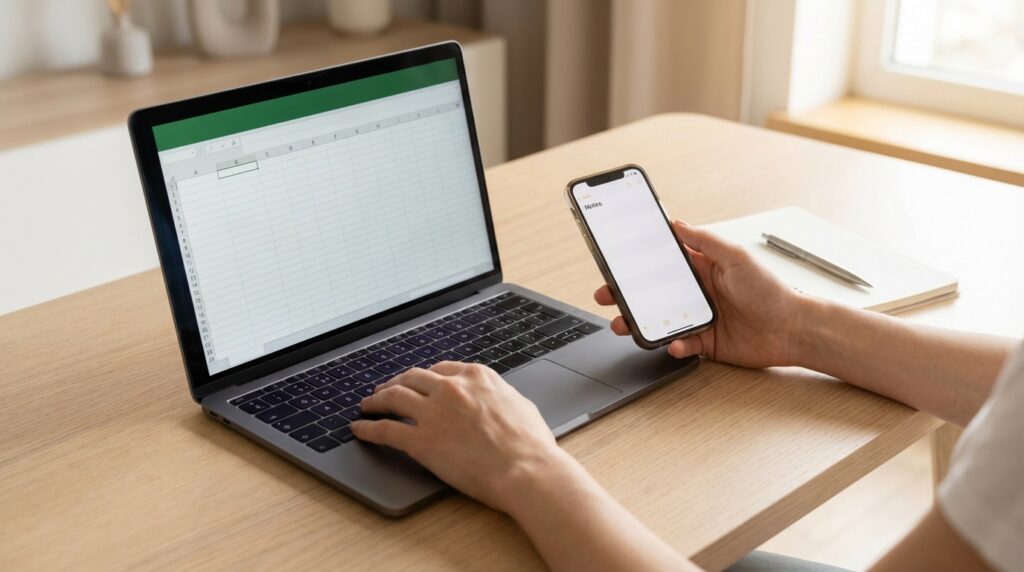
Step 1: Choose your tracking method. If you’re comfortable with spreadsheets, create one with columns for Item Name, Category (clothing, kitchen, beauty, etc.), Purchase Date, Price, and a Usage Log. If spreadsheets feel like homework, a simple notes app on your phone works too. The key is accessibility—you need to update it without friction.
Step 2: Pull your recent order history. Go back 30 to 60 days and list everything you’ve purchased. Yes, everything. That random kitchen gadget, the skincare product you saw on social media, the “just in case” backup of something you already own. Seeing it all in one place can be eye-opening.
Step 3: Add a “times used” column and start with zero for each item. Every time you use something, add a tally. This sounds tedious, but it takes seconds once you build the habit. Some people update daily; others do a weekly review. Find what sticks for you.
Step 4: Set a 30-day checkpoint. After a month, look at each item and ask yourself: Did I use this enough to justify the cost? Would I buy it again? Items with zero or one use deserve extra scrutiny. Items you reached for repeatedly? Those are your “smart buys” worth noting for future reference.
Step 5: Create a “before I buy” ritual. Before placing a new order, check your tracking sheet. Do you already own something similar that’s barely been used? Is this the same category where you tend to waste money? This five-second pause can save you from repeating old patterns.
Shortcut If You’re Short on Time
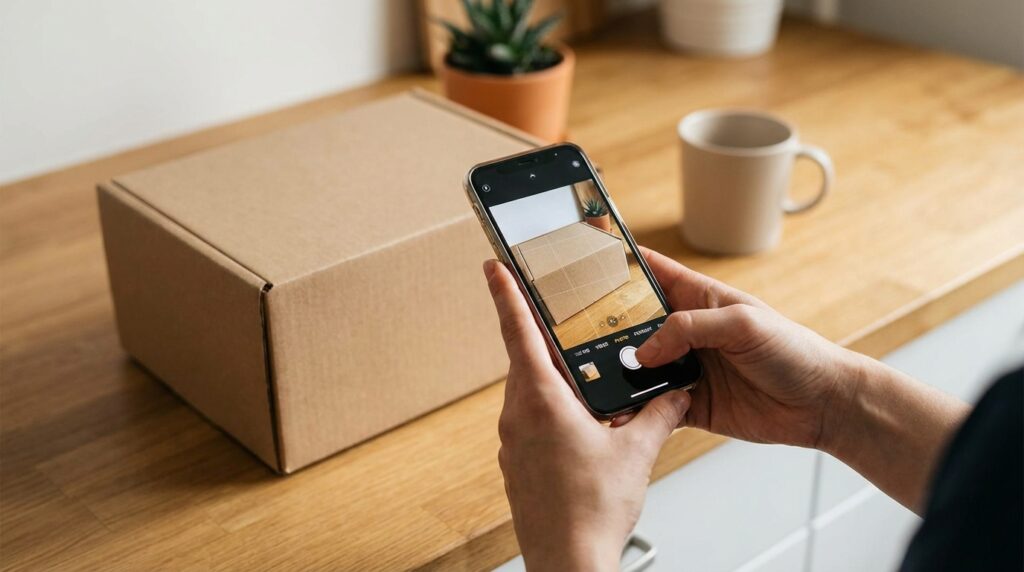
- Skip the spreadsheet—just photograph new items when they arrive and review your camera roll monthly
- Use your email search to find order confirmations and do a quick mental audit
- Focus only on categories where you overspend (beauty, gadgets, home décor)
- Set a phone reminder for the 15th of each month: “Check what I actually used”
- Keep a running note of items you regret—consult it before checkout
Common Mistakes When Tracking Orders
A common issue is starting with too much detail. If your tracking system requires five minutes per item, you’ll abandon it within a week. Keep it simple. Item name, price, usage count. That’s enough to spot patterns.
Another mistake is only tracking the “big” purchases. That $15 impulse buy doesn’t feel significant, but ten of those per month adds up to $150. Small purchases are often where the real waste hides because they fly under your mental radar.
Some people track religiously for a month, then stop. The real value comes from reviewing trends over two to three months. That’s when you notice things like “I always buy organizing products in January and never use them” or “I keep ordering variations of the same thing hoping one will be perfect.”
Finally, don’t use tracking as punishment. The goal isn’t to feel guilty about every purchase. It’s to gather information so you can make choices that actually serve you. If you bought something and loved it, that’s useful data too.
What Your Tracking Data Can Tell You

After a few months of tracking, patterns emerge. Maybe you notice that clothing ordered late at night rarely gets worn. Or that kitchen gadgets promising to “save time” sit unused because your old method was fine. These insights are gold.
Pay attention to categories. If 80% of your regret purchases fall into one area—say, beauty products or home décor—that’s where you need guardrails. Consider a waiting period for that category specifically, or a monthly budget cap.
Look at the gap between expectation and reality. That item you were sure would change your routine? If it didn’t, ask why. Was the problem it was supposed to solve not actually a problem? Did you overestimate how often you’d use it? Understanding your own shopping psychology helps more than any budgeting app.
Turning Insights Into Action
If you’re running late in the morning and keep buying “time-saving” products that don’t help, the issue might not be the products—it might be your morning routine itself. Tracking what you use (and don’t use) often reveals that the solution isn’t another purchase.
For items you genuinely regret, consider returns, reselling, or donating. Getting something out of your space reinforces the lesson and clears mental clutter. Some people find that the hassle of returning items makes them more careful about ordering in the first place.
Making This a Long-Term Habit
The first month of tracking feels like effort. By month three, it becomes automatic. You start mentally noting usage without even opening your spreadsheet. You pause before checkout because you remember how many “great deals” turned into drawer clutter.
If you live with a partner or family, consider sharing your tracking insights. Not in a judgmental way, but as a conversation about household spending. Sometimes an outside perspective helps—”Didn’t you buy something like that last month?”
Revisit your system every few months. Maybe you started with a detailed spreadsheet but now prefer a simpler notes app. Maybe you’ve conquered impulse buys in one category and want to focus on another. Your tracking method should evolve with your habits.
Frequently Asked Questions

How long should I track before I see useful patterns?
Most people notice clear trends after 6 to 8 weeks. One month gives you initial data, but two to three months reveals seasonal patterns and recurring habits. Stick with it past the initial novelty period.
What if I forget to update my tracking sheet?
Don’t stress about perfection. Even inconsistent tracking is better than none. If you miss a week, do a quick catch-up by scanning your order emails. The goal is awareness, not a flawless record.
Should I track gifts I receive or only things I buy?
Focus on your own purchases first—that’s where your spending decisions live. If you want to track gifts to understand what you actually use versus what sits unused, that’s a bonus insight, but it’s not essential.
Is there an app that does this automatically?
Some budgeting apps categorize purchases, but none truly track whether you used an item. The manual element is actually valuable—it forces you to engage with your buying patterns rather than passively collecting data.
Summary and Next Step
Tracking what you actually use from your orders isn’t about restriction—it’s about information. When you see real data on your habits, you make better choices naturally. You stop buying duplicates of things you already own. You recognize which categories drain your budget without adding value. You learn to trust your “I’ll definitely use this” instincts only when they’ve proven reliable.
Your next step is small: pick one tracking method and log your last five purchases. That’s it. Don’t overthink the system or wait for the perfect app. Start with what you have, stay consistent for a few weeks, and let the patterns teach you. Your future self—and your bank account—will thank you.