
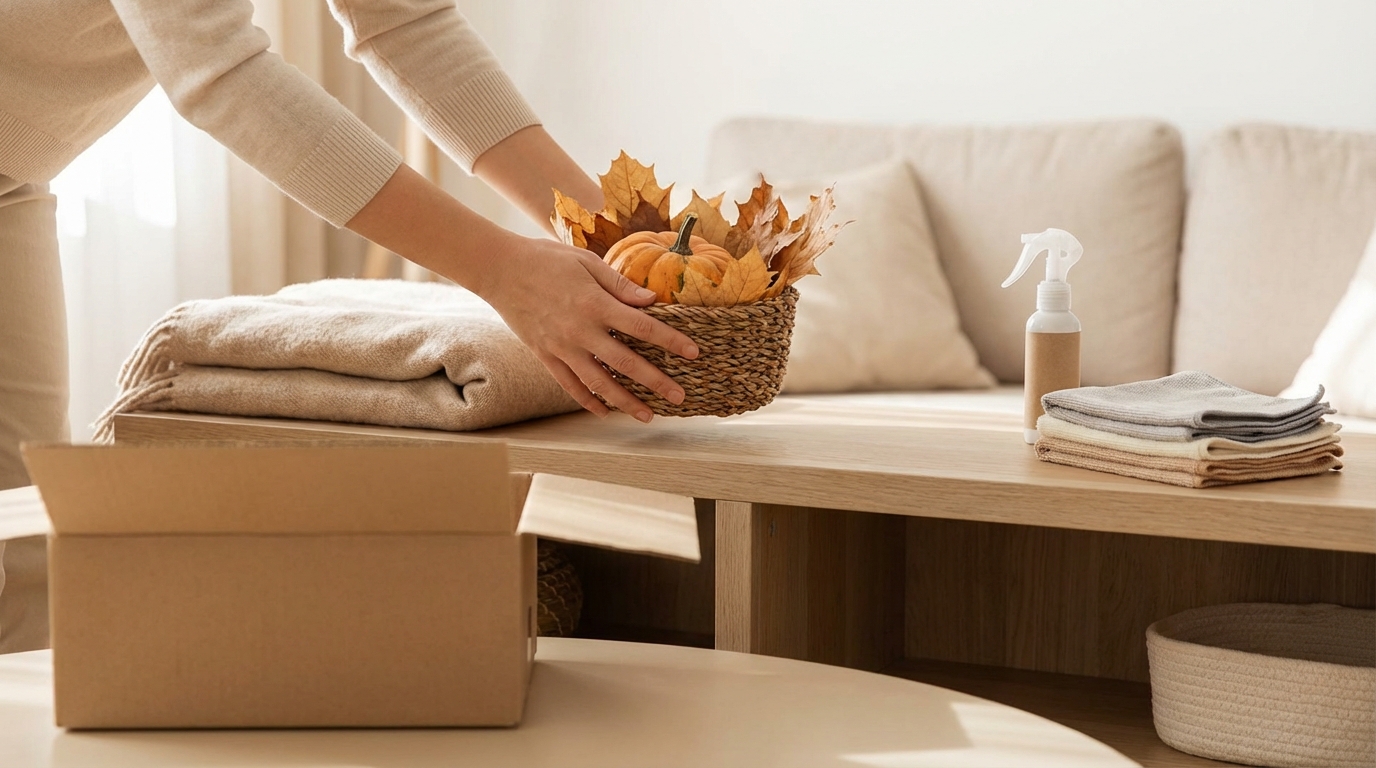
You scroll through social media and see someone’s perfectly styled autumn mantle, complete with velvet pumpkins and cozy throws. Then spring rolls around, and there’s a fresh display of pastels and florals. It looks expensive, overwhelming, and like something that requires a storage unit the size of a small garage. But here’s the thing: seasonal decor on a budget doesn’t mean settling for sad, wilted garlands or skipping the fun altogether. It means being intentional about what you buy, what you swap, and what you actually need to make each season feel special.
This guide walks you through practical swaps that work for spring, summer, autumn, and winter without draining your bank account or cramming your closets. You’ll learn which foundational pieces to invest in once, which items to rotate cheaply, and how to avoid the most common mistakes people make when decorating seasonally.
Quick Tips for Budget-Friendly Seasonal Decor
- Stick to a neutral base (furniture, large items) and swap only accents like pillows, throws, and table items
- Shop end-of-season clearance for next year’s decor
- Use nature: branches, pinecones, leaves, and flowers cost little or nothing
- Rotate what you already own instead of buying new each season
- Store decor in labeled bins so you actually use it year after year
The Foundation Approach: Buy Once, Swap Smartly

The biggest mistake with seasonal decorating is thinking you need a completely different look for every season. That leads to overspending, clutter, and the frustration of storing things you barely use. Instead, build your home around neutral foundations. A beige or grey sofa, simple white or wood-toned shelving, and classic frames in black or natural finishes work year-round. These pieces don’t scream “summer” or “winter”—they just exist quietly, letting your accent pieces do the talking.
Once your foundation is neutral, you only need to swap the small stuff. Think throw pillows, blankets, a table runner, candles, and maybe a wreath for your door. That’s it. Most people notice a seasonal shift when colors and textures change, not when you buy an entirely new furniture set. A chunky knit blanket in autumn, a linen throw in summer, and a faux fur option in winter can rotate through the same living room without any drama.
What Actually Needs Swapping
Focus your budget on items that make the most visual impact for the least money. Pillow covers (not entire pillows) are a game-changer—you can store a stack of covers flat in a drawer and swap them in minutes. A single vase that holds tulips in spring, sunflowers in summer, branches in fall, and evergreen sprigs in winter does the work of four separate pieces. Candles in seasonal scents cost a few dollars and instantly shift the mood of a room. If you’re decorating a mantle or shelf, a simple garland swap—florals to eucalyptus to autumn leaves to pine—refreshes the space without a full overhaul.
Simple Swaps for Each Season
Spring

Spring decorating doesn’t require a pastel explosion. If you’re running late on swapping things out after winter, start with one move: add something green and alive. A small potted plant, a jar of fresh-cut flowers from the grocery store, or even a bowl of lemons on the counter signals that the cold is behind you. Swap heavy throws for lighter cotton or linen versions. If you have dark-colored pillow covers, switch to softer tones like sage, blush, or cream. A woven basket holding a light blanket looks effortlessly seasonal without trying too hard.
Common mistake: buying dedicated “Easter decor” that only works for two weeks. Unless you genuinely love bunnies and eggs year-round, skip the holiday-specific items and invest in spring-general pieces you can use from March through May.
Summer
Summer decor leans into brightness and natural textures. Swap velvet or wool pillows for linen or cotton in whites, blues, or warm yellows. Roll up heavy rugs and let floors breathe, or switch to a lighter jute or sisal option. If you have a porch or patio, this is where summer decor shines—outdoor pillows, a simple lantern with a candle, and a potted plant or two cost little and get used daily.
A practical tip: don’t over-decorate in summer. The season itself brings light, warmth, and often open windows. Your home doesn’t need much help to feel summery. A bowl of fresh fruit, a citrus-scented candle, and lighter textiles do the job.
Autumn
This is where people tend to overspend, thanks to the endless appeal of pumpkin everything. Resist the urge to buy a dozen decorative gourds that will rot on your porch. Instead, choose a few faux pumpkins in neutral tones (white, cream, muted orange) that you can reuse for years. Swap light throws for chunky knits in rust, mustard, or deep green. Add warm-toned candles—think amber glass jars or spiced scents.
If you live somewhere with actual autumn leaves, use them. A few branches with fall foliage in a tall vase costs nothing and looks better than most store-bought arrangements. Pinecones in a bowl, collected on a walk, work the same way. Nature provides autumn decor for free if you’re willing to look around.
Winter
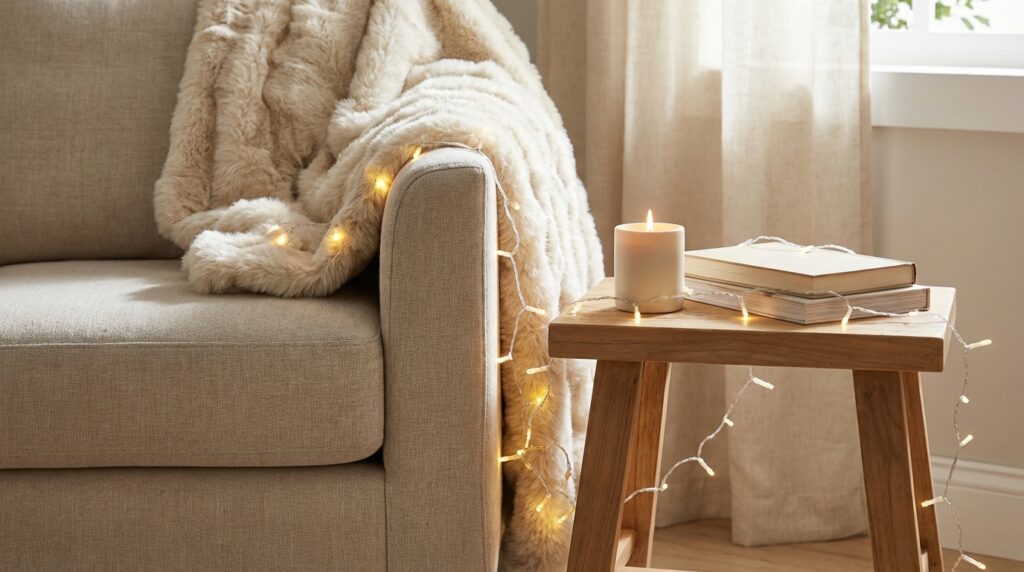
Winter decorating often overlaps with holiday decorating, but they’re not the same thing. Holiday-specific items (ornaments, tree skirts, themed figurines) come out for a few weeks. Winter decor—cozy blankets, warm metallics, candles, and evergreen touches—can last from November through February. Focus your budget on the latter.
Fairy lights (the warm white kind, not colored) work all winter and add ambiance without screaming “Christmas.” A faux fur or sherpa throw draped over a chair feels luxurious and costs under twenty dollars at most home stores. Swap autumn’s warm oranges for cooler tones: ivory, forest green, burgundy, or soft gold. A simple evergreen wreath on the door transitions from holiday to general winter easily.
Common mistake: buying new holiday decor every single year. If you pick a cohesive color scheme—say, gold and white, or classic red and green—your ornaments and decorations will work together for decades. The families who have the “best” holiday decor usually just stuck with a theme and added to it slowly over time.
Where to Find Affordable Seasonal Decor
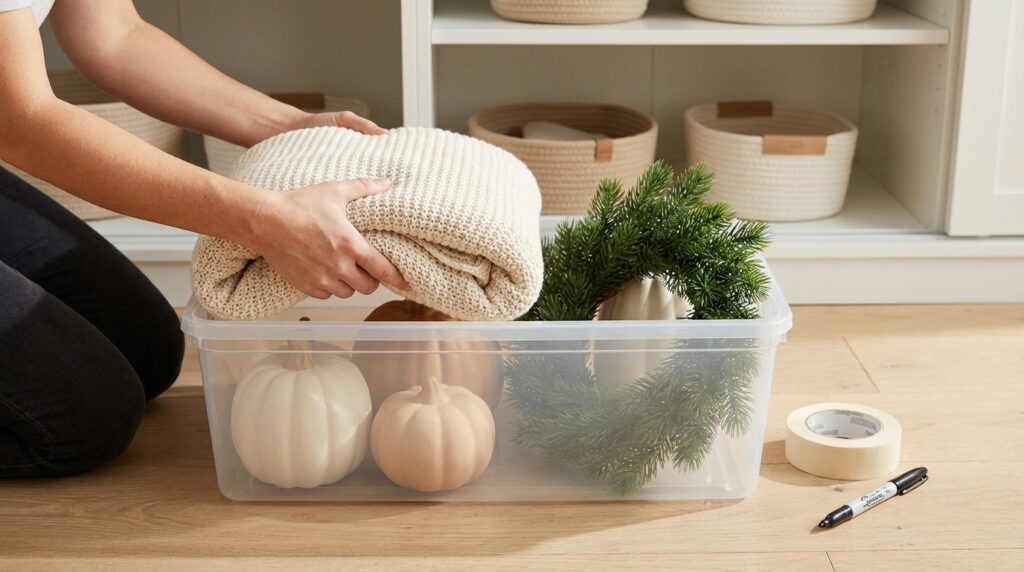
End-of-season clearance is your best friend. The week after a holiday or at the turn of a new season, stores slash prices on decor by 50-75%. This is when you buy for next year—not the current season. Store it properly, label the bin, and you’ll thank yourself in twelve months.
Thrift stores and estate sales often have baskets, vases, candleholders, and frames for a fraction of retail prices. These neutral foundational pieces don’t go out of style. Dollar stores carry pillow covers, candles, and small decor items that work perfectly for seasonal swaps. Just avoid anything too trendy or cheap-looking—stick to simple shapes and solid colors.
If you’re crafty, DIY options stretch your budget further. A plain grapevine wreath can be dressed up with ribbon, faux florals, or greenery depending on the season. Spray-painting old candleholders or frames in a new color refreshes them for almost nothing.
Common Mistakes to Avoid
- Buying too much at once: Start with one room or one area (like a mantle or entryway) before expanding
- Ignoring storage: If you can’t store it properly, you’ll forget you own it or it’ll get damaged
- Following every trend: That specific shade of terracotta from three years ago is now sitting in donation bins everywhere—choose timeless over trendy
- Forgetting to edit: More decor isn’t better decor—swap, don’t just add
- Paying full price: Patience and clearance shopping save you hundreds over time
Summary and Next Step
Seasonal decor on a budget comes down to a simple principle: neutral foundations, rotating accents, and smart shopping. You don’t need bins full of themed items for every holiday. You need a few quality pieces in each seasonal color palette, a willingness to use what nature provides, and the patience to shop clearance rather than full price. Most people who decorate beautifully on a budget aren’t doing more—they’re doing less, but intentionally.
Your next step? Pick one small area of your home—an entryway table, a shelf, or your front door. Decide what the current season calls for and make one or two simple swaps this week. See how it feels. That small shift is often all a space needs to feel fresh, cozy, or bright depending on the time of year. And your wallet stays intact for the next season’s swap.