
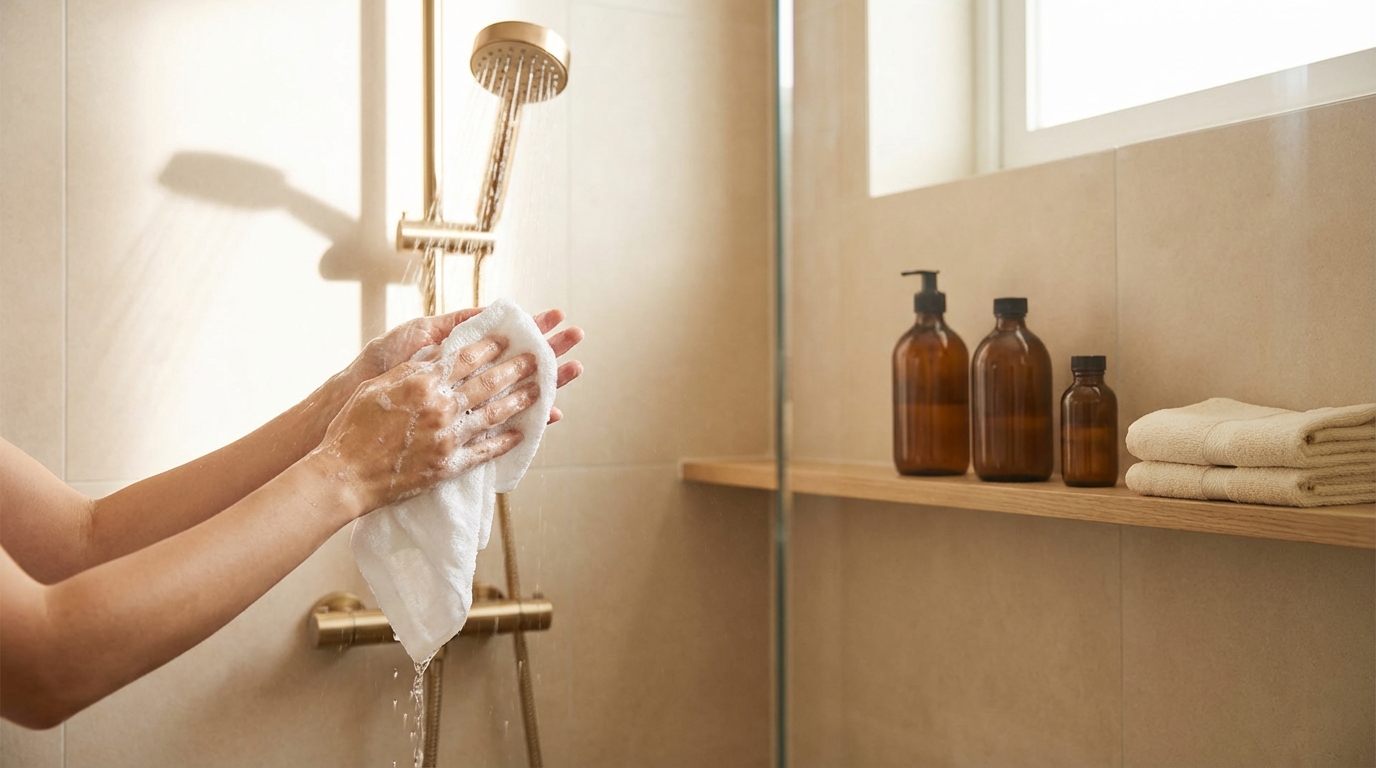
Ever step out of the shower and somehow still feel… not quite clean? Maybe your skin feels tight and dry, or you rushed through so fast you’re not sure you actually washed everything properly. A simple shower routine doesn’t need to be complicated or time-consuming, but it does need a bit of intention. The difference between a forgettable rinse and a shower that actually leaves you refreshed often comes down to a few small habits.
This post walks you through a practical, no-fuss approach to showering that works for most skin types and busy schedules. You’ll learn the order that actually makes sense, which products earn their spot in your shower, and a few common slip-ups that might be sabotaging your clean feeling without you realizing it.
Quick Routine Overview
- Start with warm (not hot) water to open pores
- Wash your hair first if you’re shampooing
- Cleanse your face with a gentle cleanser
- Work body wash from top to bottom
- Rinse thoroughly, ending with a cooler splash if you can handle it
- Pat dry and moisturize while skin is still slightly damp
What You’ll Need

You don’t need a shelf full of products to feel genuinely clean. In fact, too many products often create more problems than they solve. Here’s what actually earns a spot in your shower:
- A gentle body wash or bar soap (fragrance-free if your skin is sensitive)
- Shampoo suited to your hair type
- Conditioner (optional but helpful for most hair textures)
- A gentle facial cleanser
- A washcloth, loofah, or silicone scrubber
- A clean towel waiting outside the shower
If you’re on a tight budget, a basic unscented bar soap can handle both body and hands just fine. The fancy stuff is nice, but clean is clean.
Your Step-by-Step Shower Routine
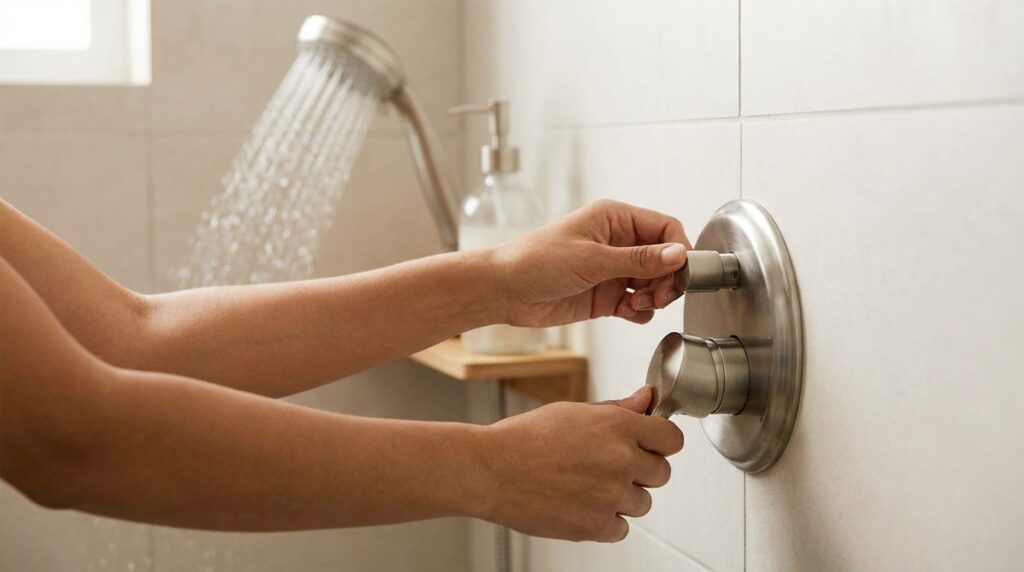
Step 1: Adjust your water temperature to warm, not hot. This is where a lot of people go wrong right out of the gate. Scalding water feels luxurious in the moment, but it strips your skin’s natural oils and can leave you feeling dry and itchy within an hour. Warm water opens your pores enough to cleanse effectively without causing damage.
Step 2: Wet your hair and apply shampoo if you’re washing it that day. Focus the shampoo on your scalp, not the ends of your hair. Your scalp is where oil and product buildup actually accumulate. Massage gently with your fingernails (not aggressively—your scalp isn’t a scratch-off ticket). Rinse thoroughly.
Step 3: Apply conditioner to the mid-lengths and ends of your hair if you use it. Let it sit while you handle the rest of your routine. This gives it time to actually do something instead of just rinsing straight down the drain.
Step 4: Wash your face with a gentle cleanser. Your face deserves its own product—body wash is usually too harsh for facial skin. Use lukewarm water and your fingertips, not a rough washcloth. Rinse completely, making sure to get along your hairline and jawline where cleanser loves to hide.
Step 5: Now work on your body, moving from top to bottom. This order matters because you want the soap and rinse water to flow downward, taking dirt with it. Use your washcloth or loofah to create a good lather and pay attention to areas that tend to get neglected: behind your ears, the back of your neck, between your toes, and yes, your belly button.
Step 6: Rinse everything thoroughly. Soap residue left on your skin can cause irritation and that weird sticky feeling that makes you question whether you showered at all. Take an extra thirty seconds to make sure all the suds are gone, especially in skin folds and creases.
Step 7: If you can tolerate it, finish with a quick blast of cooler water. This helps close your pores and can leave you feeling more alert. It doesn’t have to be ice cold—just noticeably cooler than your shower temperature. Even ten seconds makes a difference.
Shortcut if you’re short on time
- Skip the hair wash—most people don’t need to shampoo daily anyway
- Use a two-in-one body wash and skip the loofah; just use your hands
- Focus on the “big four” areas: underarms, groin, feet, and face
- Keep your shower under five minutes by setting a timer
- Moisturize only the driest spots (elbows, knees, shins) instead of your whole body
Common Mistakes That Leave You Feeling Less Fresh
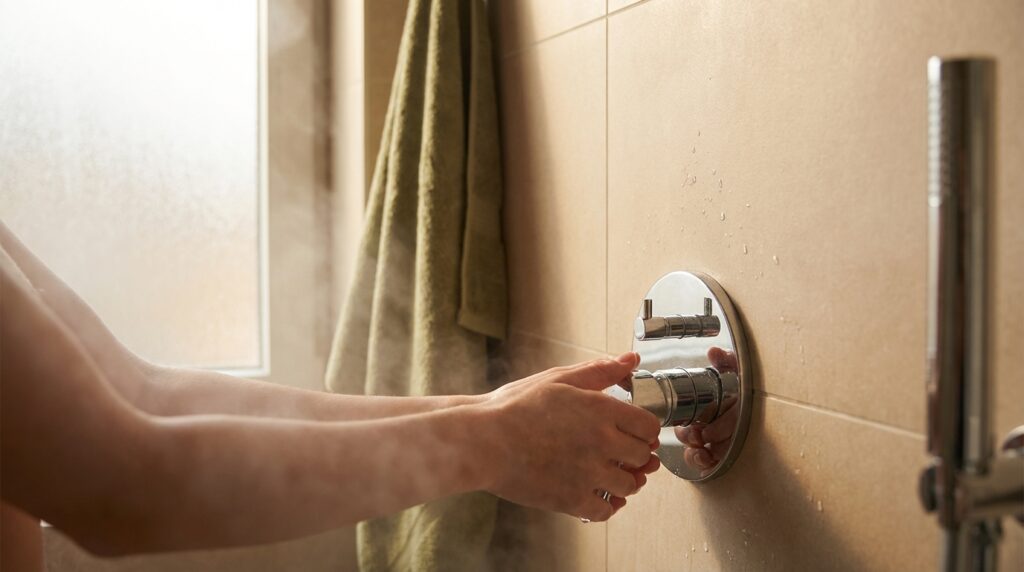
Sometimes the problem isn’t what you’re doing—it’s what you’re doing wrong without realizing it. Here are the slip-ups that come up again and again:
- Using water that’s too hot. It feels amazing but dries out your skin and can even make you sweat more after you get out. Warm is the sweet spot.
- Rushing the rinse. Leftover soap and shampoo residue cause itchiness, dullness, and that “not quite clean” feeling. Rinse longer than you think you need to.
- Skipping your feet. Standing in soapy water doesn’t count as washing your feet. Actually scrub between your toes and along your soles.
- Using the same loofah for months. Those things harbor bacteria faster than you’d expect. Replace or sanitize yours regularly—every three to four weeks for plastic loofahs, more often for natural ones.
- Drying off too aggressively. Rubbing your skin raw with a towel causes irritation. Pat dry instead, especially on your face and any sensitive areas.
- Waiting too long to moisturize. Your skin absorbs moisture best when it’s still slightly damp. Waiting until you’re bone dry means your moisturizer has to work twice as hard.
Making It Work for Your Skin Type
If you have oily skin, you might think you need harsh products to cut through the grease. In practice, gentle cleansers work better because they don’t trigger your skin to produce even more oil to compensate. Stick with lukewarm water and lightweight, non-comedogenic moisturizers.
For dry or sensitive skin, the rules are even simpler: less is more. Fragrance-free products, shorter showers, and immediate moisturizing after you step out will make the biggest difference. If your skin feels tight or itchy after showering, your water is probably too hot or your products are too harsh.
If you’re dealing with persistent skin issues—excessive dryness, rashes, or irritation that doesn’t improve with basic adjustments—it’s worth checking in with a dermatologist. Sometimes what seems like a product problem is actually something else entirely.
A Note on Shower Frequency
There’s no universal rule that says you must shower every single day. For most people, daily showers are fine, but if you have very dry skin or you’re not sweating much, every other day works perfectly well. What matters more than frequency is doing it properly when you do shower.
If you work out or sweat heavily, obviously shower afterward. But on lazy weekends when you’re just lounging around? Your skin won’t fall off if you skip a day. Listen to your body and adjust based on your activity level and how your skin responds.
Summary and Next Step
A simple shower routine comes down to a few basics: warm water, the right order (hair, face, body, top to bottom), thorough rinsing, and moisturizing while your skin is still damp. Most of the “not feeling clean” problem comes from water that’s too hot, rushed rinsing, or neglecting certain areas entirely. Small adjustments make a noticeable difference without adding time or expense to your routine.
Your next step is simple: try this routine tomorrow morning and pay attention to how your skin feels an hour later. If something’s off, tweak one variable at a time—water temperature, products, or rinse time—until you find what works for you. Clean and refreshed shouldn’t be complicated.