
When the sun sets at 4 p.m. and your alarm goes off in pitch darkness, motivation can feel like a distant memory. The cold seeps into everything—your bones, your mood, your willingness to do much beyond curling up under a blanket. If you’ve been feeling a bit flat lately, you’re not imagining it. Shorter days and less sunlight genuinely affect energy levels and mood for many people. The good news? A few intentional winter self-care ideas can make these months feel less like survival mode and more like a cozy chapter you might actually enjoy.
This post covers simple, budget-friendly ways to take care of yourself when the weather outside is miserable. You’ll find quick wins you can start today, ideas that cost little to nothing, and a few gentle reminders that self-care doesn’t have to mean expensive spa days or complicated routines.
Quick Winter Self-Care Checklist
- Get outside for at least 10–15 minutes during daylight hours
- Keep a cozy corner ready with a blanket, warm drink, and good lighting
- Move your body gently—stretching counts
- Stay connected with one person each week, even just a text
- Hydrate more than you think you need (dry indoor air is sneaky)
- Give yourself permission to slow down without guilt
Why Winter Hits Differently

It’s not just the cold. The lack of natural light genuinely affects how your body produces serotonin and melatonin, which influence mood and sleep. Many people notice they feel more tired, crave carbs, or just feel “off” without any obvious reason. This isn’t weakness or laziness—it’s biology responding to environmental changes.
A common mistake is trying to power through winter with the same energy and expectations you have in summer. That rarely works. Instead, think of winter as a season that asks for a different pace. Bears hibernate. Trees go dormant. Maybe you don’t need to be operating at full speed either.
The Light Problem
If you work indoors, you might go days without seeing proper daylight. This matters more than most people realize. Even on overcast days, outdoor light is significantly brighter than indoor lighting. A quick walk during lunch—even just around the block—can help reset your internal clock and lift your mood slightly. It won’t fix everything, but it’s one of those low-effort wins that adds up over time.
For people who struggle significantly with winter darkness, a light therapy lamp can help. These mimic natural daylight and are typically used in the morning for 20–30 minutes. They’re not a cure-all, but many people find them useful. If you’re experiencing persistent low mood, difficulty functioning, or symptoms that feel more serious, it’s worth speaking with a healthcare professional rather than relying solely on self-care strategies.
Simple Self-Care Ideas That Actually Help
Create a Cozy Anchor Spot
Having one place in your home that feels genuinely comfortable makes a difference. This doesn’t require a Pinterest-worthy setup—just a chair or corner with a soft blanket, decent lighting (warm-toned bulbs help), and maybe a candle or two. When everything outside feels harsh, having a small sanctuary inside gives you somewhere to land.
If you’re in a small apartment or shared space, even a specific blanket or pillow that signals “this is my rest time” can work. The point is creating a cue that tells your brain it’s okay to relax.
Warm Drinks as a Ritual

There’s something about holding a warm mug that feels inherently comforting. Make it intentional rather than just grabbing coffee on autopilot. Herbal teas, warm water with lemon, or even just hot water with honey can become a small daily ritual. The act of making it, waiting for it to cool slightly, and drinking it slowly is a form of mindfulness without any of the pressure.
Move Gently
Exercise advice in winter often sounds like “just force yourself to the gym!” which is unhelpful when you can barely force yourself out of bed. Gentle movement counts. Stretching for ten minutes while watching TV counts. Dancing badly in your kitchen counts. A short yoga video on YouTube counts.
The goal isn’t fitness gains—it’s keeping your body from feeling stiff and stagnant. Movement also helps with mood, even in small doses. If you’re someone who hates the cold, look for ways to move indoors rather than abandoning movement entirely until spring.
Nourish Without Overthinking
Winter often brings cravings for heavier, warming foods, and that’s fine. Soups, stews, roasted vegetables, and warm grains can be both comforting and nourishing. The common mistake here is either giving up on nutrition entirely (hello, three months of takeout) or being so rigid that food becomes stressful.
A practical approach: aim for one warm, home-cooked meal most days, even if it’s simple. Batch cooking on weekends can help—making a big pot of soup takes the same effort as making a small one, and you’ll have easy meals ready when motivation is low.
Stay Connected (Even When You Don’t Feel Like It)

The temptation to hibernate socially is strong. Going out feels like a production when it’s dark and freezing. But isolation tends to make low moods worse. You don’t need to maintain a busy social calendar—just one meaningful connection per week can help. A phone call, a coffee date, even a voice message to a friend.
If leaving the house feels impossible, invite someone over instead. Movie nights, board games, or just sitting together with tea requires less energy than going out and still provides connection.
Budget-Friendly Winter Self-Care
Self-care marketing often pushes expensive products, spa treatments, and luxury items. But most effective winter self-care costs little or nothing.
- Free: Sunlight exposure, stretching, calling a friend, taking a bath, reading library books, watching comfort shows, journaling, early bedtimes
- Low cost: Candles, herbal tea, cozy socks, a new blanket, bath salts, a secondhand book
- Worth the investment: A good moisturizer (winter air is brutal on skin), a humidifier if your home gets very dry, quality slippers you’ll actually wear
The most expensive option isn’t always the most effective. A £5 candle and an early night might do more for your wellbeing than a £100 spa treatment you can’t really afford.
Common Mistakes to Avoid

- Waiting until you feel motivated: Motivation is often the result of action, not the cause. Start small, even when you don’t feel like it.
- Overcomplicating self-care: A ten-step evening routine sounds nice but probably won’t happen consistently. Pick one or two things and do them regularly.
- Comparing your winter to someone else’s: Some people genuinely thrive in winter. Others struggle. Both are valid. Work with your own energy levels, not someone else’s highlight reel.
- Ignoring hydration: You don’t feel as thirsty in cold weather, but indoor heating dries you out. Drink water even when you don’t crave it.
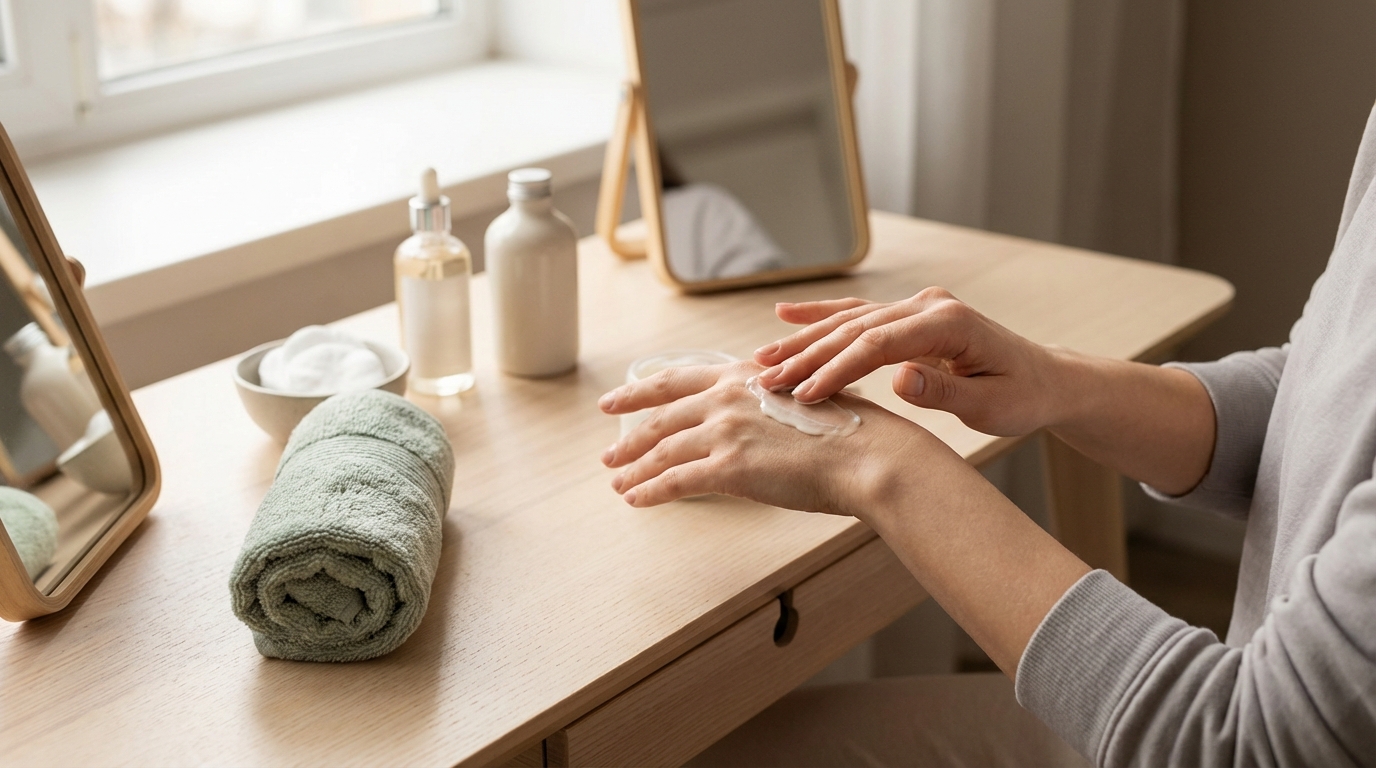
- Skipping skincare basics: Dry, cracked skin is uncomfortable and can affect how you feel overall. A simple moisturizer after showering helps more than you’d think.
Frequently Asked Questions
How do I stay motivated when it’s dark all the time?
Lower your expectations and focus on small wins. Motivation fluctuates naturally with the seasons. Instead of waiting to feel motivated, build tiny habits that don’t require much willpower—like putting your walking shoes by the door or setting a reminder to text a friend.
Is it normal to feel more tired in winter?
Yes, very normal. Reduced daylight affects your circadian rhythm and can increase melatonin production, making you feel sleepier. If fatigue is severe or affecting your daily life significantly, it’s worth mentioning to a doctor, but mild increased tiredness in winter is common.
What if I can’t afford self-care products?
Most effective self-care is free. Sunlight, movement, sleep, connection, and rest don’t cost anything. Products can enhance self-care but aren’t required for it. Focus on habits and environment rather than purchases.
How do I deal with winter skin issues?
The combination of cold outdoor air and dry indoor heating is tough on skin. Basics that help: moisturize right after bathing, use a gentler cleanser, consider a humidifier, and drink enough water. If you have persistent skin concerns, a dermatologist can offer personalized advice.
Summary and Next Step
Winter self-care doesn’t need to be elaborate or expensive. The basics—light exposure, gentle movement, warmth, connection, and rest—go a long way. The goal isn’t to transform yourself into someone who loves winter, but to make these months more bearable and maybe even find some quiet enjoyment in the slower pace.
Pick one idea from this post and try it this week. Maybe it’s creating a cozy corner, maybe it’s committing to a daily walk during daylight, or maybe it’s just giving yourself permission to go to bed earlier. Small, consistent actions add up. You don’t have to overhaul your life—just take care of yourself, one dark day at a time.