
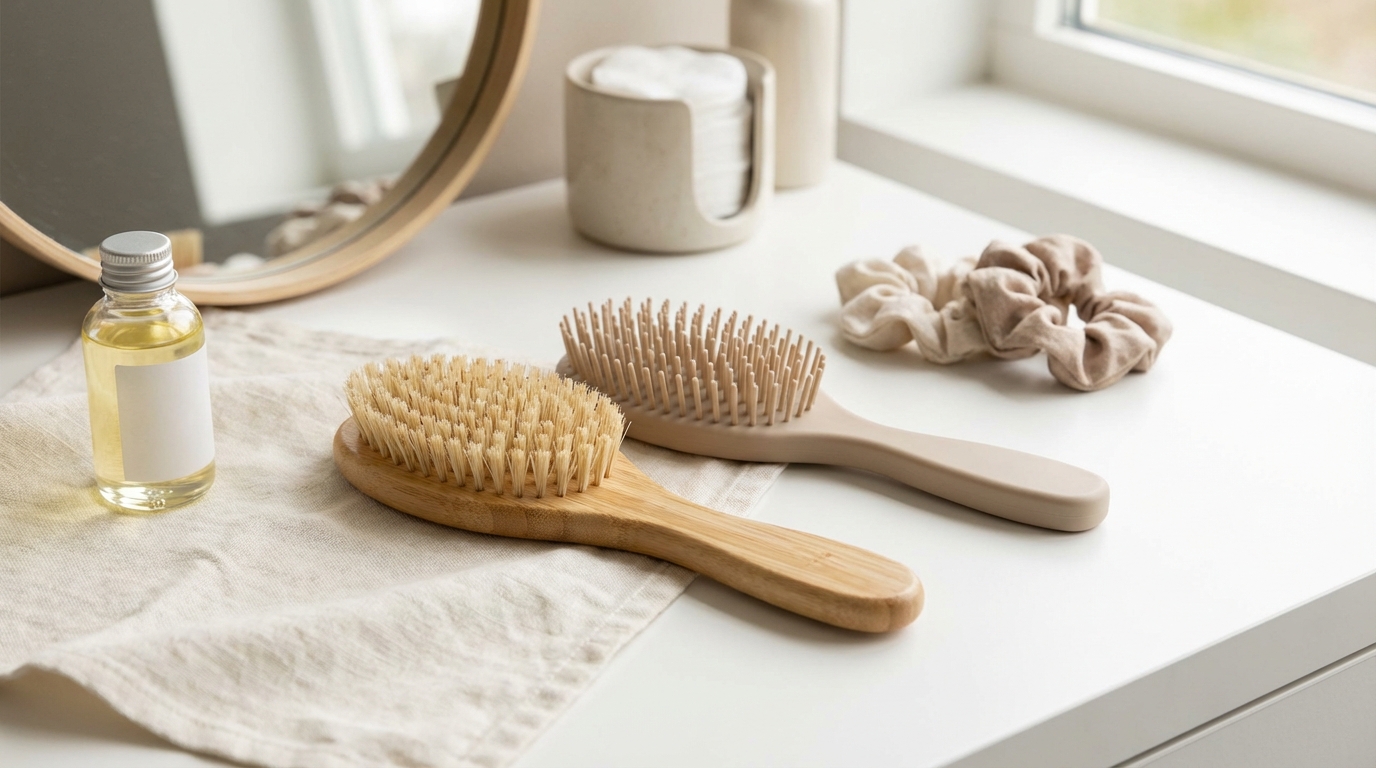
That moment when you run a brush through freshly washed hair and it puffs up like a dandelion—frustrating, right? The culprit might not be your shampoo or the weather. It could be the brush itself. When comparing a wooden brush vs. plastic brush, the differences go beyond aesthetics. One generates static; the other helps tame it. One glides; the other tugs. Here’s what actually matters when choosing between them.
Quick Verdict: Wooden brushes are better for reducing frizz, distributing natural oils, and being gentler on the scalp. Plastic brushes win on affordability, easy cleaning, and durability in humid environments. Neither is universally “better”—it depends on hair type, budget, and priorities.
Why the Brush Material Matters More Than You Think
Hair brushes aren’t just about detangling. The material affects static buildup, scalp stimulation, and even how your hair’s natural oils travel from root to tip. Plastic is a synthetic material that generates friction and static electricity when dragged across hair strands. Wood, being a natural material, doesn’t hold an electrical charge the same way.
This isn’t marketing fluff. User feedback consistently points to reduced flyaways after switching from plastic to wooden or bamboo brushes. The effect is especially noticeable in dry climates or during winter when indoor heating zaps moisture from the air.
Wooden Brushes: What They Actually Do
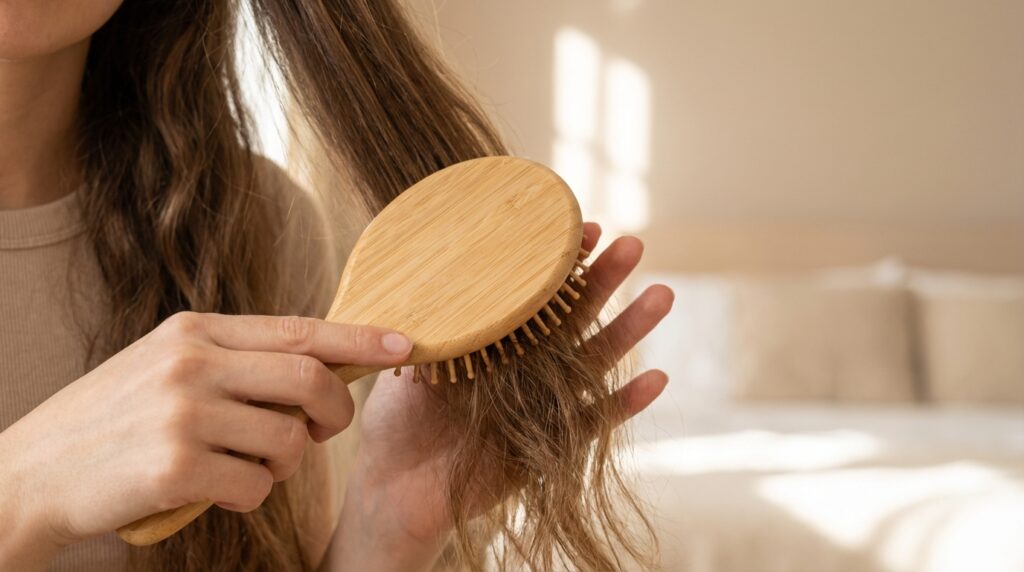
Wooden brushes—whether bamboo, beechwood, or other hardwoods—have smooth, rounded bristles (often also made of wood) that glide through hair without snagging. Here’s what sets them apart:
- Anti-static properties: Wood doesn’t conduct electricity, so there’s no charge transfer to your hair. Less static means less frizz and fewer flyaways.
- Sebum distribution: The smooth bristles help spread your scalp’s natural oils down the hair shaft, adding shine without product buildup.
- Gentle scalp massage: Rounded wooden pins stimulate blood flow to the scalp, which some users find relaxing and potentially beneficial for hair health over time.
- Eco-friendly option: Bamboo and sustainably sourced wood brushes are biodegradable, unlike plastic alternatives that sit in landfills for centuries.
Pros:
- Significantly reduces static and frizz
- Distributes natural oils for added shine
- Gentler on sensitive scalps
- Sustainable and biodegradable
- Often feels more luxurious to use
Cons:
- Higher upfront cost (typically $10–$25 for quality options)
- Requires more careful cleaning—can’t be soaked in water
- May crack or warp in very humid bathrooms
- Not ideal for detangling very thick, wet hair
Plastic Brushes: The Practical Trade-Offs
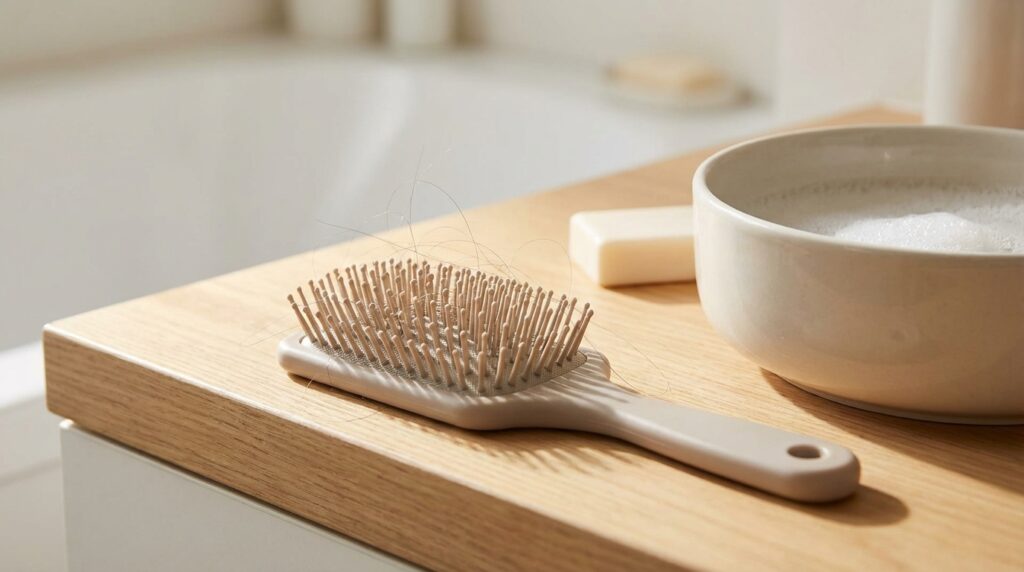
Plastic brushes dominate drugstore shelves for good reason: they’re cheap, durable, and easy to maintain. But that convenience comes with some downsides worth knowing.
- Static generation: Plastic bristles create friction that charges hair strands, leading to that puffy, flyaway look—especially problematic for fine or dry hair.
- Durability: Plastic handles and bristles withstand drops, moisture, and rough handling better than wood.
- Easy cleaning: Soak them in soapy water, scrub, rinse. No special care required.
- Versatility: Many specialized brushes (vented, round, detangling) are primarily available in plastic.
Pros:
- Budget-friendly (often under $8)
- Survives bathroom humidity and accidental drops
- Simple to clean and sanitize
- Wide variety of styles for different purposes
Cons:
- Generates static electricity, increasing frizz
- Can snag or pull hair if bristles are rough
- Doesn’t distribute natural oils effectively
- Environmental impact—not biodegradable
Wooden vs. Plastic Brush: Side-by-Side Comparison
| Feature | Wooden Brush | Plastic Brush |
|---|---|---|
| Static Control | Excellent | Poor |
| Frizz Reduction | High | Low |
| Oil Distribution | Good | Minimal |
| Scalp Comfort | Gentle massage effect | Varies by design |
| Price Range | $10–$25 | $3–$12 |
| Durability | Moderate (avoid water) | High |
| Cleaning | Wipe only, no soaking | Soak and scrub |
| Eco-Friendliness | Biodegradable | Not biodegradable |
Who Should Choose a Wooden Brush?
This is for you if:
- Frizz and flyaways are a daily battle
- Hair feels dry or lacks natural shine
- Scalp is sensitive to harsh bristles
- Sustainability matters in purchasing decisions
- Living in a dry climate or dealing with winter static
Skip this if:
- Budget is tight and every dollar counts
- The brush lives in a steamy bathroom (humidity warps wood)
- Thick, tangled hair needs aggressive detangling on wet strands
- Sharing brushes with others and need easy sanitization
Who Should Stick with Plastic?
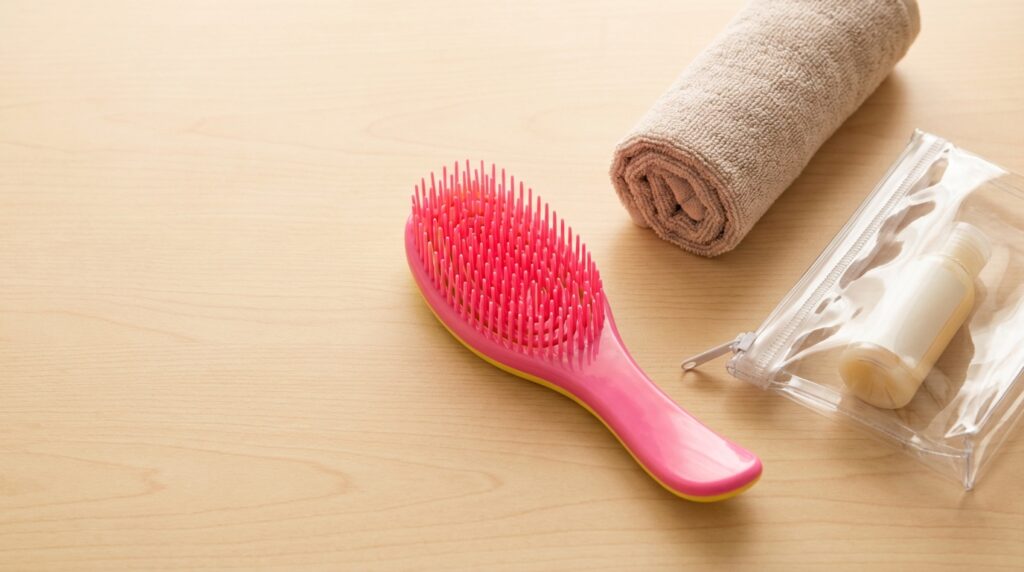
This is for you if:
- Need a brush that survives kids, travel, or gym bags
- Prefer low-maintenance tools that can be tossed in soapy water
- Looking for specialized styles (vented brushes for blow-drying, flexible detanglers)
- On a tight budget
Skip this if:
- Static and frizz are constant problems
- Hair is fine, dry, or prone to breakage
- Trying to reduce plastic consumption
Smart Tip: If wooden brushes seem too pricey, bamboo options often cost less than hardwood versions while offering the same anti-static benefits. Look for brushes with wooden pins rather than boar bristles if vegan materials matter.
Counter-Intuitive Insight: More Brushing Isn’t Always Better
Regardless of brush material, over-brushing can damage hair. The old advice of “100 strokes a day” is outdated. Excessive brushing creates friction, weakens strands, and can irritate the scalp. A few gentle passes to detangle and distribute oils is enough—wooden or plastic.
Also worth noting: a wooden brush won’t fix damage caused by heat styling, chemical treatments, or poor nutrition. It’s one piece of the puzzle, not a miracle tool.
Frequently Asked Questions
Do wooden brushes really reduce frizz?
Yes, for most people. Because wood doesn’t generate static electricity like plastic, hair stays smoother after brushing. The difference is most noticeable in dry conditions or on fine, flyaway-prone hair.
How do you clean a wooden brush without ruining it?
Remove hair from the bristles after each use. Once a week, wipe the bristles and base with a damp cloth (not soaking wet). Let it air dry completely with bristles facing down. Never submerge in water.
Can wooden brushes be used on wet hair?
It’s not ideal. Wet hair is more fragile, and wooden pins don’t flex like plastic detangling bristles. Use a wide-tooth comb or a flexible detangling brush on wet hair, then switch to the wooden brush once hair is mostly dry.
How long do wooden brushes last?
With proper care, a quality wooden brush can last 3–5 years or longer. Avoid leaving it in humid environments, and it’ll hold up well.
The Bottom Line
Choosing between a wooden hair brush and a plastic one comes down to priorities. Wooden brushes excel at reducing static, adding shine, and offering a gentler experience—but they cost more and need careful maintenance. Plastic brushes are practical workhorses that handle moisture and rough use but contribute to frizz and environmental waste.
For anyone battling flyaways or looking for a more natural hair care routine, a bamboo or wooden brush is worth the investment. For travel, gym bags, or households with kids who destroy everything, plastic makes sense.
Check what’s already in the bathroom drawer. If that plastic brush has been around for years and frizz is a constant complaint, swapping it out might be the simplest upgrade to try.