
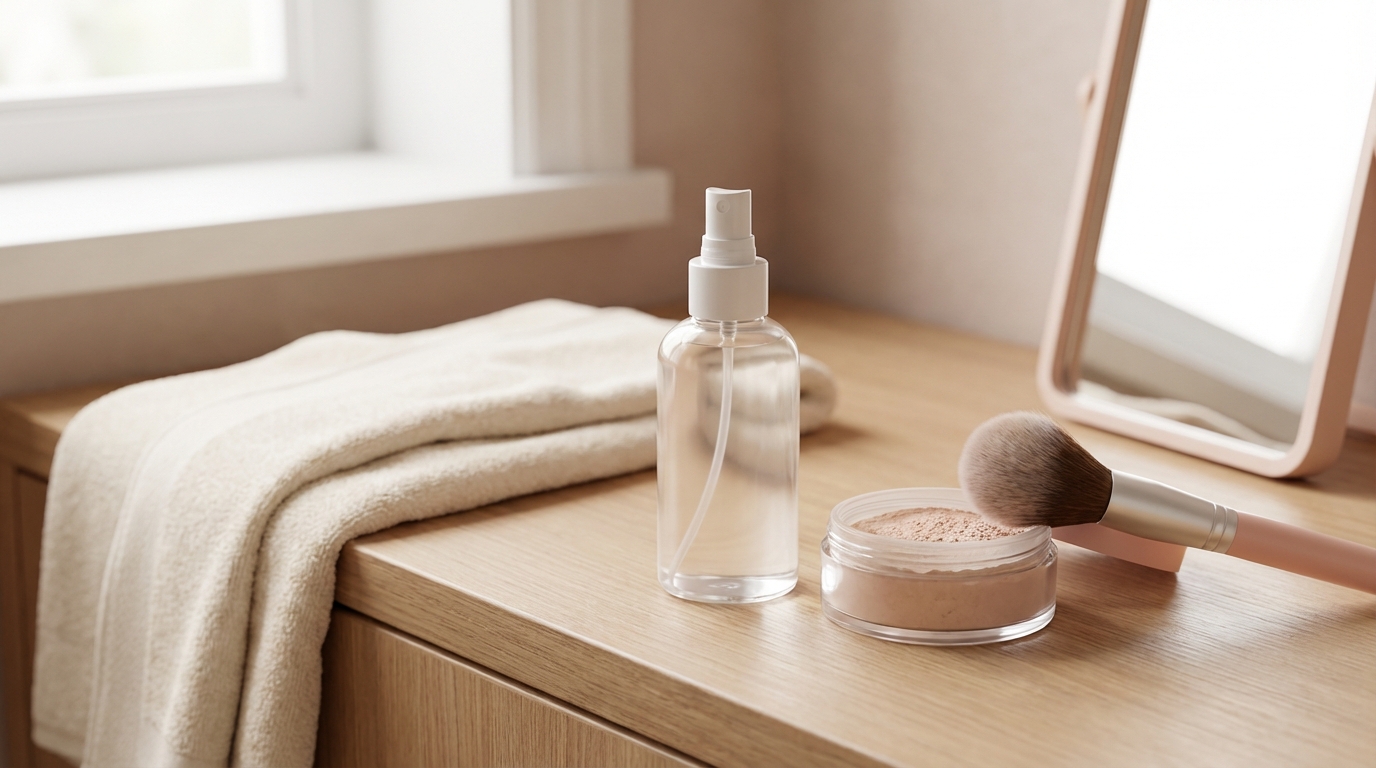
Picture this: it’s 2 PM, you catch your reflection, and your foundation has somehow migrated into your pores while your T-zone looks like an oil slick. Sound familiar? The fix usually comes down to two products sitting in the beauty aisle: setting spray vs. setting powder. But here’s the thing—they do completely different jobs, and grabbing the wrong one for your skin type can actually make things worse.
Quick Verdict: Setting powder is your go-to for oil control and a matte finish, especially on oily or combination skin. Setting spray works better for dry or normal skin types who want a dewy look and need hydration locked in. Many people benefit from using both strategically—powder on oily zones, spray over everything to melt layers together.
What Each Product Actually Does
These two aren’t interchangeable, even though they share “setting” in the name. Understanding the mechanics helps you stop wasting money on products that fight against your skin instead of working with it.
Setting Powder
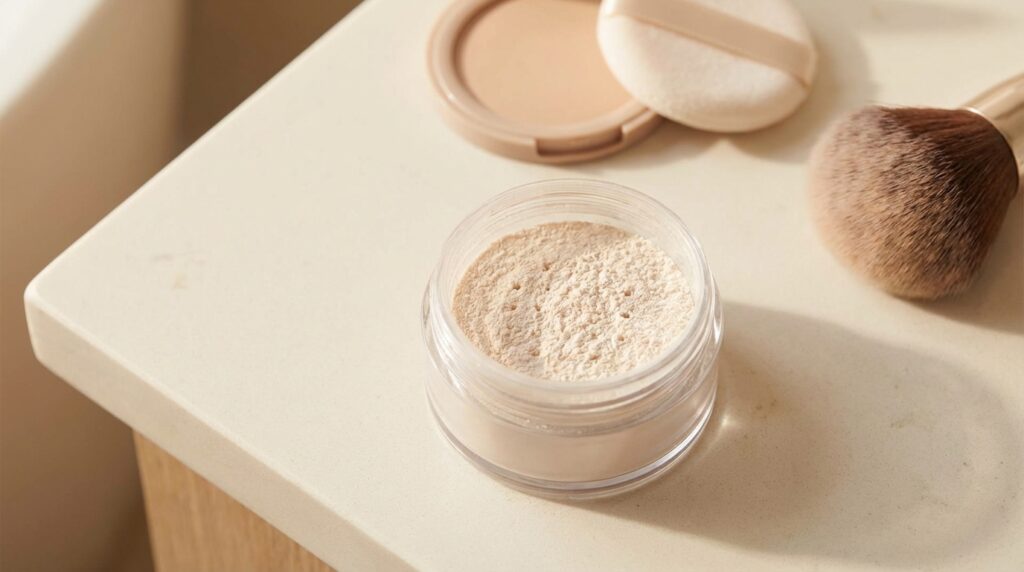
Setting powder absorbs oil and creates a physical barrier over your makeup. It comes in two forms: loose (more coverage, better for oily skin) and pressed (portable, lighter coverage). The powder particles sit on top of your foundation and physically soak up sebum throughout the day.
Pros:
- Excellent oil control—can extend wear by 4-6 hours on oily skin
- Reduces shine immediately
- Sets concealer in place (especially under eyes to prevent creasing)
- Blurs pores and fine lines when applied lightly
- Affordable options start around $5-8 for drugstore versions
Cons:
- Can emphasize dry patches, flakiness, and texture
- Heavy application leads to a cakey, aged appearance
- May oxidize (turn darker/orange) on some skin tones
- Not ideal for mature skin with fine lines
- Requires touch-ups if you over-apply initially
Setting Spray
Setting spray is a liquid mist that creates a thin film over your entire face. It essentially “melts” all your makeup layers together so they look like skin rather than separate products stacked on top of each other. Most formulas contain film-forming polymers that create a flexible, breathable seal.
Pros:
- Adds dewiness and prevents that powdery, flat look
- Locks makeup in place for 8-12 hours (depending on formula)
- Hydrating formulas exist for dry skin types
- Quick application—takes about 10 seconds
- Can revive makeup mid-day without disturbing it
Cons:
- Won’t control oil on its own—oily skin still gets shiny
- Some formulas contain alcohol that can irritate sensitive skin
- Doesn’t set concealer or prevent creasing
- Higher price point for quality formulas ($12-25 range)
- Can feel sticky if over-applied or if formula is low quality
Matching the Product to Your Skin Type
This is where most people go wrong. They grab whatever influencers recommend without considering that someone with desert-dry skin has completely different needs than someone whose face produces enough oil to fry an egg by noon.
Oily Skin
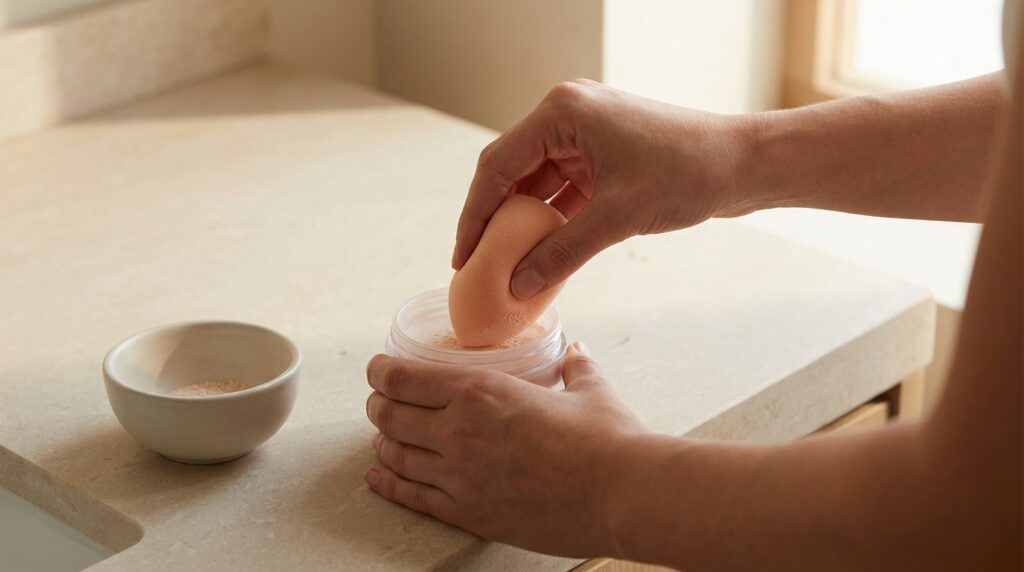
Powder is non-negotiable. Focus on the T-zone (forehead, nose, chin) where oil production concentrates. A light dusting—emphasis on light—absorbs excess sebum without creating a mask effect. Follow with a mattifying setting spray if you want extra insurance, but the powder does the heavy lifting here.
Smart Tip: Apply powder with a damp beauty sponge instead of a brush. This “bakes” the powder into your skin for longer-lasting oil control without the cakey texture. Let it sit for 2-3 minutes, then dust off the excess.
Dry Skin
Skip powder entirely on dry areas—it will cling to every flake and make texture more visible. A hydrating setting spray is your best friend. Look for formulas with glycerin or hyaluronic acid. If you must use powder (say, under the eyes to set concealer), use the tiniest amount possible and only where absolutely necessary.
Combination Skin
This is where the “both” strategy shines. Powder goes on the oily zones only. Then, setting spray over the entire face melts everything together and adds moisture back to the dry areas. The spray also softens any powdery finish so you don’t look like two different skin types on one face.
Normal Skin
Lucky you—either product works. Choose based on the finish you want. Matte and shine-free? Light powder. Glowy and natural? Setting spray. For events or long days, using both gives maximum longevity without compromising the look.
Who Should Use What (The Decision Guide)
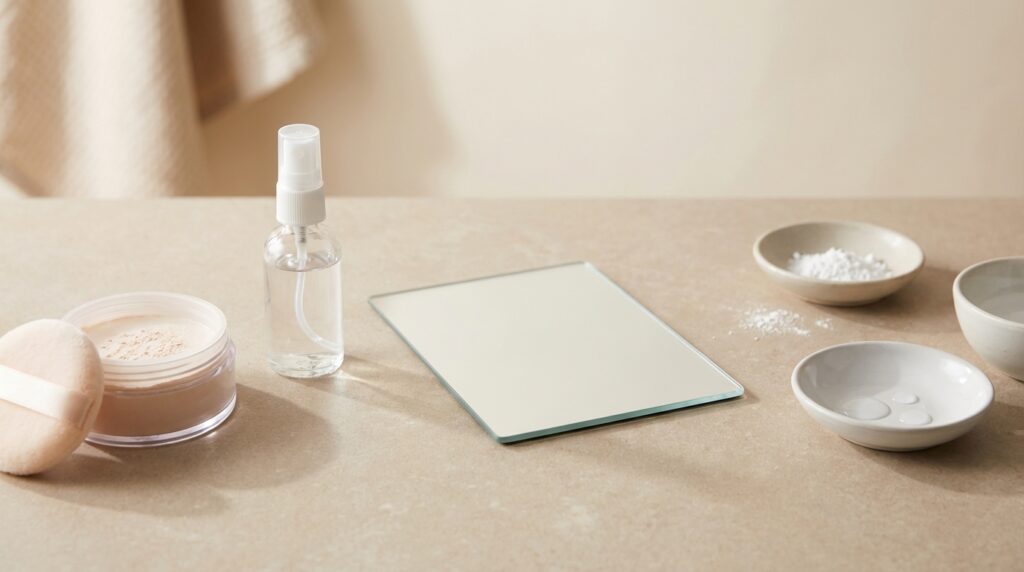
Still unsure? Here’s the breakdown by situation and skin concern:
Choose setting powder if:
- Your makeup slides off or breaks apart by midday
- You have visible pores you want to blur
- Under-eye concealer creases within an hour
- You prefer a matte, “filtered” finish
- Budget is tight (drugstore powders perform well)
Choose setting spray if:
- Your skin feels tight or looks flaky with powder
- You want a natural, skin-like finish
- Fine lines or texture get emphasized by powder
- You’re over 40 and powder ages your appearance
- You want a quick, one-step setting method
Use both if:
- You have combination skin with distinct oily and dry zones
- You’re attending an event lasting 6+ hours
- You want maximum longevity in humidity or heat
- Your makeup needs to survive sweat, tears, or long photography sessions
Common Mistakes That Sabotage Your Makeup
Even the right product fails when applied wrong. These errors show up constantly:
Over-powdering: More powder doesn’t mean more staying power. It means cakey, cracked foundation by hour three. One light layer is enough. If you’re reaching for powder every hour, the issue is your base products, not your setting technique.
Spraying too close: Hold setting spray 8-10 inches from your face. Closer than that creates wet spots that disturb your makeup instead of setting it. You want a fine mist, not a targeted stream.
Wrong powder shade: Translucent works for most people, but if you have deeper skin tones, truly translucent (not white-cast “translucent”) or a tinted powder prevents ashiness. Test powder on your jawline in natural light before buying.
Skipping skincare: No setting product compensates for dehydrated skin. If your face is parched, makeup clings to dry patches regardless of what you spray or dust on top. Hydrate first, then worry about setting.
Frequently Asked Questions
Can setting spray replace primer?
No. Primer goes under makeup to create a smooth base and help foundation adhere. Setting spray goes over finished makeup to lock it in place. They serve opposite ends of the routine. Some people use setting spray before foundation for extra grip, but it doesn’t replace a proper primer.
Does setting spray work on bare skin?
It can help sunscreen or tinted moisturizer last longer, but it’s designed to work with layered makeup. On bare skin, you won’t see dramatic results.
How often should you reapply setting spray?
Once in the morning should last most of the day. Mid-day touch-ups work if your makeup looks dull, but constant reapplication can make things sticky or disturb your base. If you need to reapply hourly, the formula isn’t working for you.
Is setting powder the same as finishing powder?
Not quite. Setting powder absorbs oil and locks makeup. Finishing powder adds a soft-focus, blurring effect for photos. Some products do both, but they’re technically different categories.
The Bottom Line
Setting spray and setting powder solve different problems. Powder handles oil and sets specific areas like concealer. Spray creates a unified, long-wearing finish and works better for dry or normal skin. The “which do you need” answer depends entirely on your skin type, your climate, and how long your makeup needs to last.
Start with one based on your primary concern—oil control or longevity—and add the second if needed. Most people with combination skin or long days ahead benefit from both used strategically. Check what’s already in your makeup bag, and experiment with application techniques before buying something new. Sometimes the product you have just needs a better method.