
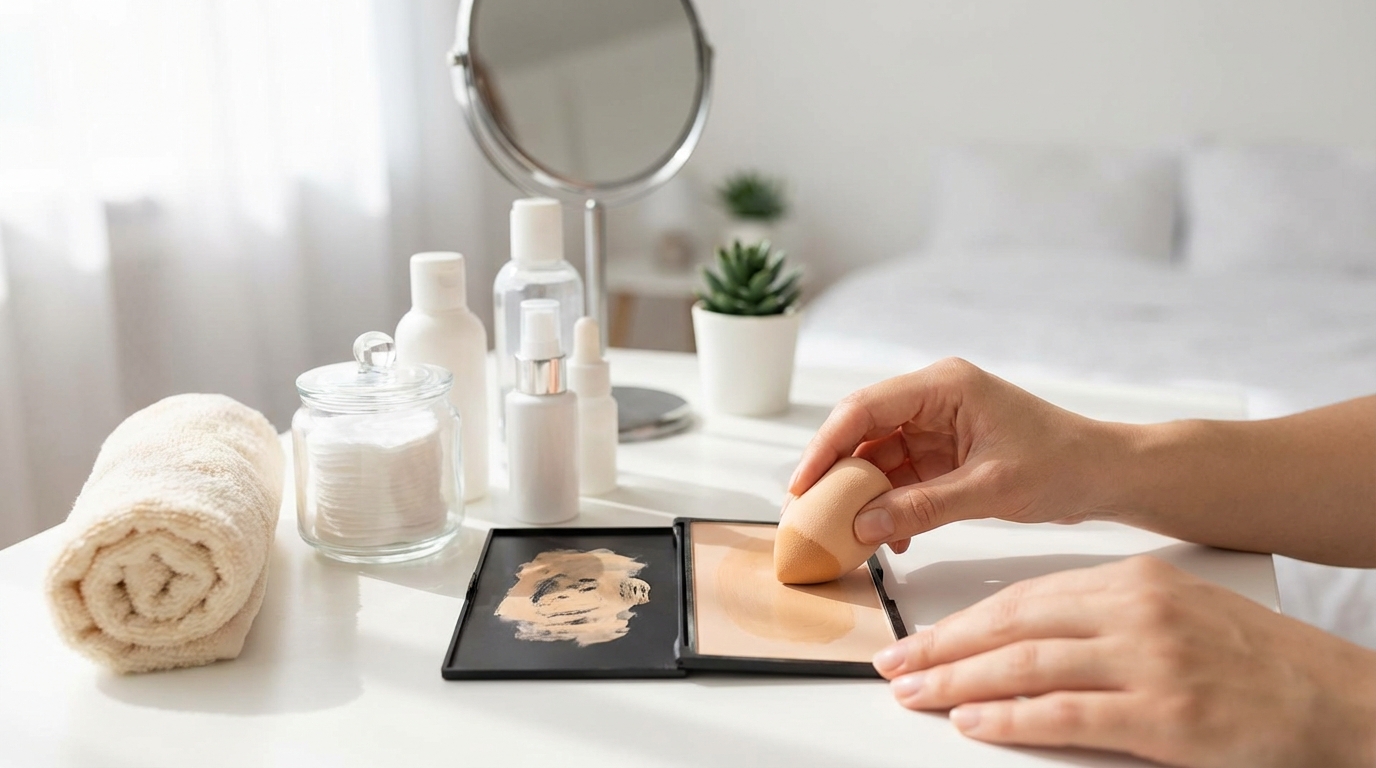
You follow the same routine every morning, use products you trust, and still something looks off. Maybe your foundation settles into fine lines by noon, or your eyeshadow disappears before lunch. These frustrating moments often come down to a handful of common makeup mistakes that are surprisingly easy to fix once you know what to look for.
This post walks through the most frequent slip-ups people make with their makeup, why they happen, and practical solutions that don’t require buying a whole new collection. Whether you’re dealing with cakey skin, patchy lips, or brows that look drawn on, there’s usually a simple tweak that makes all the difference.
Quick Fix Checklist
- Cakey foundation: Use less product and apply in thin layers; always moisturize first.
- Eyeshadow that fades: Prime your lids or use a concealer as a base.
- Harsh brows: Use light, hair-like strokes instead of solid lines.
- Lipstick bleeding: Line lips before applying color; blot between layers.
- Visible powder: Press powder into skin instead of sweeping; use sparingly.
- Mismatched foundation: Test on your jawline in natural light, not your hand.
Skin Prep Mistakes That Show Up Later
A lot of makeup problems actually start before any makeup goes on. Skipping moisturizer or applying products on dry, flaky skin creates a rough canvas. Foundation clings to dry patches and emphasizes texture instead of smoothing it out.
If you’re rushing in the morning, it’s tempting to skip skincare and go straight to primer. But even a lightweight moisturizer needs a minute or two to absorb. Applying makeup over tacky, half-absorbed skincare causes pilling and uneven coverage.
Simple Fix
Give your skincare two to three minutes to settle before reaching for primer or foundation. If you’re short on time, use a lighter moisturizer that absorbs quickly. For dry patches around the nose or mouth, a tiny dab of facial oil before moisturizer helps create a smoother base.
Foundation and Concealer Mistakes
Foundation issues are some of the most common makeup mistakes people notice but struggle to solve. The product looks fine in the bottle, blends okay at first, then turns patchy or cakey within hours.
Using Too Much Product
More coverage doesn’t always mean better results. Thick layers of foundation settle into pores and fine lines, creating that dreaded mask effect. Most people need far less product than they think.
Fix: Start with a pea-sized amount and build coverage only where you need it. Sheering out foundation with a damp sponge also helps it look more natural.
Wrong Shade or Undertone
Testing foundation on your hand or wrist almost always leads to a mismatch. The skin on your face has different undertones and is often a slightly different shade than your arm.
Fix: Swatch along your jawline and check in natural daylight near a window. If the shade disappears into your skin, it’s a match. If you see a visible line, keep looking.
Concealer That Creases
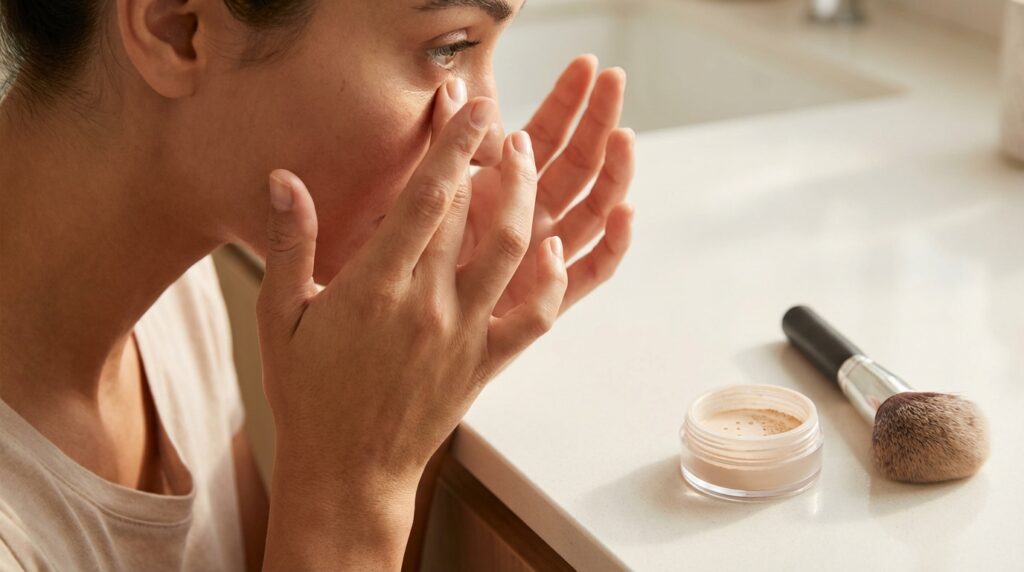
Under-eye concealer creasing into fine lines is incredibly common. It usually happens when too much product sits in one area or when the formula is too thick for the delicate skin around your eyes.
Fix: Use a small amount and blend it out with your ring finger or a damp sponge. Setting with a light dusting of translucent powder helps, but avoid packing on too much or it creates a dry, crepey look.
Eye Makeup Mistakes
Eyes are where small mistakes become very noticeable. Unblended shadow, smudged liner, and clumpy lashes can make you look tired even when you’ve put effort into your look.
Eyeshadow That Disappears
If your eyeshadow fades or creases within a few hours, the issue is usually the base. Oily lids break down pigment quickly, and bare skin doesn’t grip powder the way primed skin does.
Fix: Use an eyeshadow primer or dab a thin layer of concealer on your lids and set it with a skin-toned powder before applying shadow. This gives the color something to stick to.
Harsh Eyeliner
A thick, unblended line can overwhelm your eyes, especially if you have smaller or hooded lids. Pencil liner that’s too waxy or liquid liner applied with a heavy hand often looks stark rather than defined.
Fix: For a softer look, smudge pencil liner with a small brush right after applying. If you prefer liquid liner, try building the line gradually instead of drawing one thick stroke.
Clumpy Mascara
Clumps happen when too much product loads onto the wand or when mascara starts to dry out. Old mascara is a common culprit—formulas thicken over time and become harder to apply smoothly.
Fix: Wipe excess product off the wand before applying. Wiggle the brush at the base of your lashes and pull through to the tips. If your mascara is more than three months old, it’s probably time for a fresh tube.
Brow and Lip Mistakes
Brows That Look Drawn On
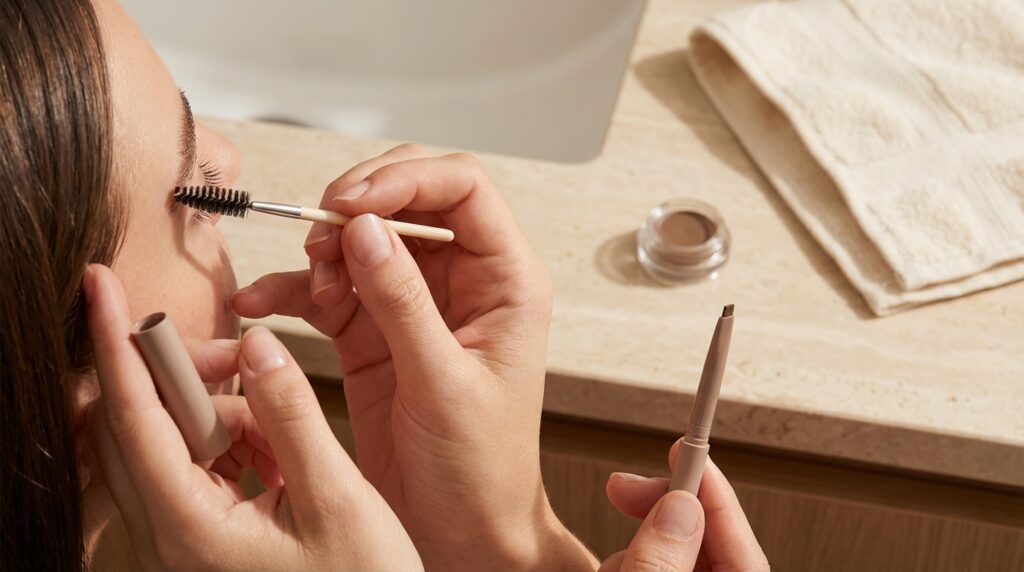
Filling in brows with a heavy hand or using a shade that’s too dark creates an unnatural, blocky look. This is one of those mistakes that’s easy to spot on others but hard to notice on yourself.
Fix: Use light, feathery strokes that mimic natural hair. A shade slightly lighter than your brow color often looks more realistic. Brush through with a spoolie to soften any harsh lines.
Lipstick That Bleeds or Fades Unevenly
Lip color bleeding into fine lines around the mouth is frustrating, especially with darker shades. Uneven fading—where the center wears off but the edges stay put—is another common issue.
Fix: Line your lips with a pencil that matches your lipstick or your natural lip color. This creates a barrier that helps prevent feathering. For longer wear, blot after the first layer, apply a second thin coat, and blot again.
Common Mistakes With Powder and Setting Products
Powder is meant to set makeup and control shine, but using too much or applying it incorrectly can backfire. Heavy powder settles into lines and makes skin look flat and dry.
A common issue is sweeping powder across the face with a big fluffy brush. This moves product around and can disturb the makeup underneath.
Fix: Press powder into the skin with a smaller brush or a damp sponge. Focus on areas that get oily—usually the T-zone—and skip areas that tend to be dry. Less is more with powder, especially under the eyes.
Frequently Asked Questions
Why does my makeup look good at first but bad after a few hours?

This usually comes down to skin prep, product amount, or not setting your makeup properly. Oily skin breaks down products faster, so a mattifying primer and setting spray can help. Dry skin needs hydration underneath or foundation will cling to flaky patches as the day goes on.
How do I know if I’m using too much product?
If your makeup feels heavy, looks cakey in photos, or settles into lines quickly, you’re probably using more than you need. Try cutting your usual amount in half and building up only where necessary.
Can old makeup cause problems?
Yes. Expired products change texture and don’t perform the way they should. Mascara and liquid eyeliner should be replaced every three months. Foundations and concealers last about a year, but if they smell off or separate, toss them sooner.
Do I really need primer?
Not everyone does, but primer helps if your makeup fades quickly, your skin is very oily, or you have large pores you want to blur. If your skin holds makeup well without it, you can skip this step.
Summary and Next Step
Most common makeup mistakes come down to a few simple things: too much product, skipping skin prep, or using the wrong technique. The fixes are usually quick adjustments rather than expensive new purchases. Start by identifying which issue bothers you most—cakey foundation, disappearing eyeshadow, or something else—and try the targeted fix for a week.
Small changes add up. Pick one tweak from this list and test it tomorrow morning. You might be surprised how much of a difference a lighter hand or an extra minute of blending can make.