
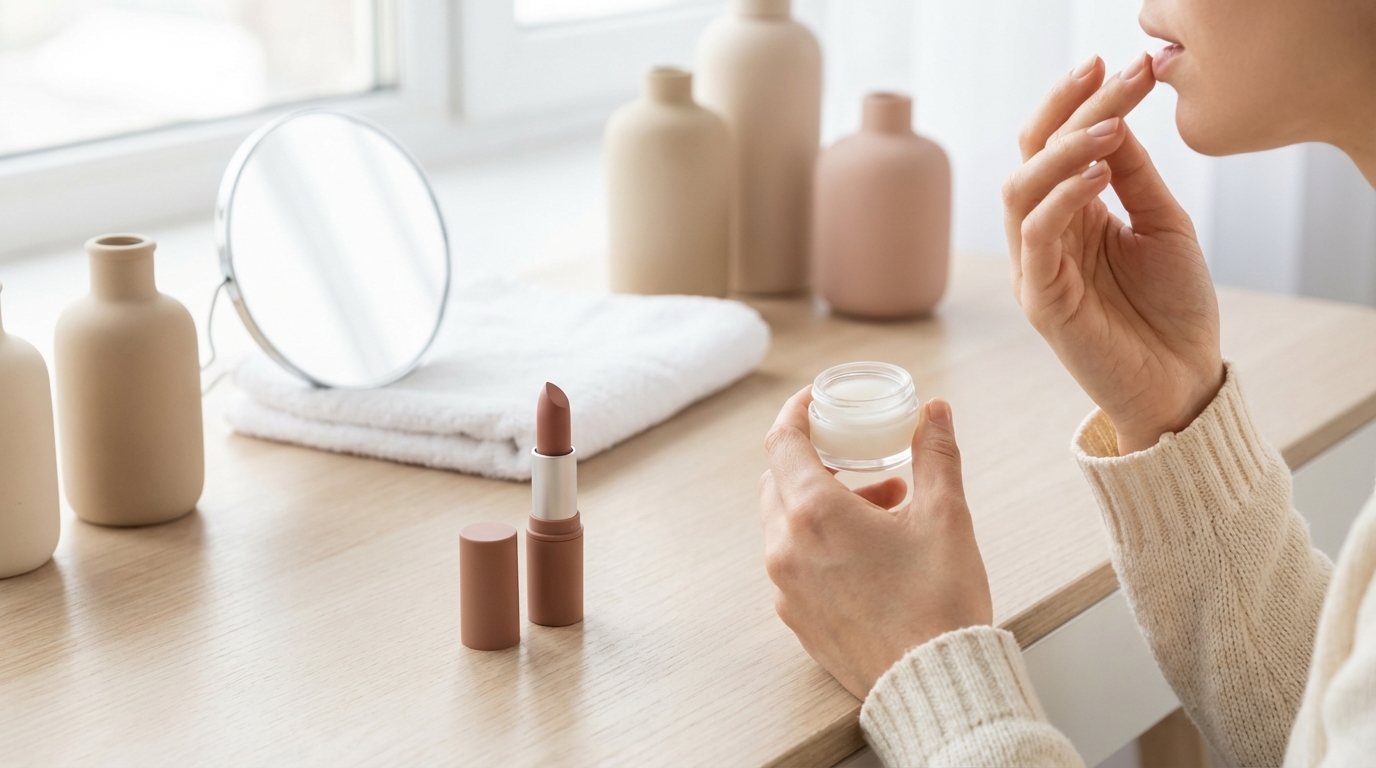
You’ve found the perfect shade, applied it carefully, and within an hour it’s either faded completely or left your lips feeling like sandpaper. Figuring out how to make lipstick last longer without drying lips is one of those beauty puzzles that seems simple but trips up so many people. The good news? It’s absolutely fixable with a few tweaks to your routine. By the end of this post, you’ll know exactly how to prep your lips, apply your color for maximum staying power, and keep everything comfortable throughout the day.
Most people assume long-lasting lipstick means choosing a matte liquid formula and hoping for the best. But that approach often backfires—those formulas can be incredibly drying, and when lips get flaky, the color looks patchy anyway. The real secret is a combination of prep work, smart product choices, and a few application tricks that don’t require any special skills.
Quick Routine for Long-Lasting, Comfortable Lipstick
- Exfoliate lips gently the night before or morning of
- Apply a thin layer of hydrating lip balm and let it absorb
- Use a lip liner to create a base across the entire lip
- Apply lipstick in thin layers, blotting between each
- Set with a light dusting of translucent powder (optional but effective)
- Carry a hydrating balm for touch-ups without removing color
What You’ll Need
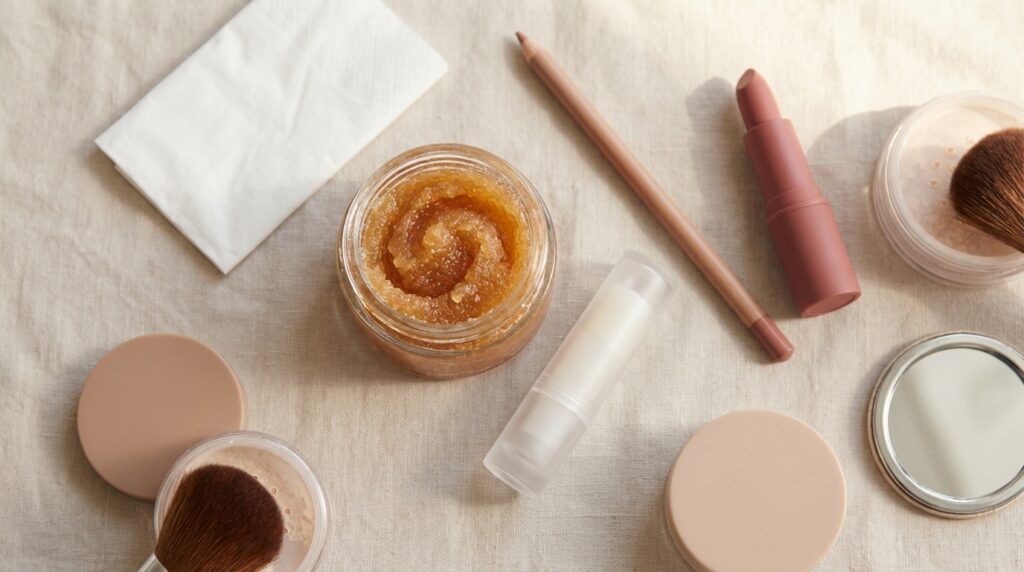
You don’t need a drawer full of specialty products to pull this off. Here’s a simple kit that covers all the bases:
- A gentle lip scrub (store-bought or DIY with sugar and honey)
- A hydrating lip balm without heavy waxes
- Lip liner in a shade close to your lipstick or a universal nude
- Your lipstick of choice
- A single-ply tissue
- Translucent setting powder and a small brush (optional)
- A compact mirror for midday checks
If you’re working with what you already own, that’s perfectly fine. The technique matters more than having expensive products.
Step-by-Step: How to Make Lipstick Last All Day
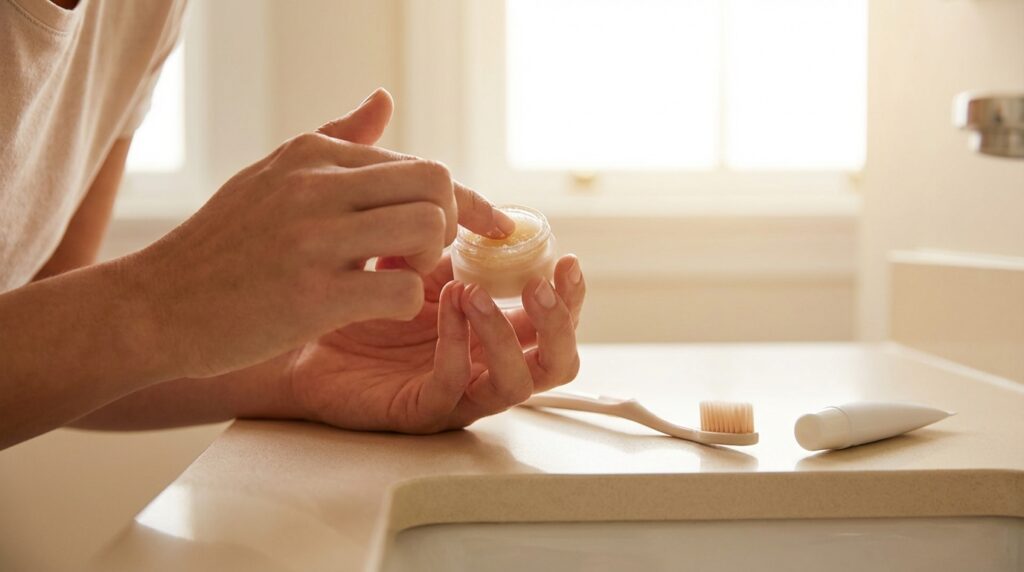
Step 1: Exfoliate your lips. Dry, flaky skin is the enemy of smooth lipstick application. Use a lip scrub or a soft toothbrush to gently buff away dead skin. Do this the night before if your lips are sensitive, or in the morning if they can handle it. Don’t overdo it—you want soft lips, not raw ones.
Step 2: Hydrate, then wait. Apply a thin layer of lip balm and give it a few minutes to sink in. A common mistake is slapping on balm and immediately going in with lipstick. The balm needs time to absorb; otherwise, it creates a slippery layer that makes your color slide right off. If you’re in a rush, blot off any excess balm with a tissue before moving on.
Step 3: Line and fill with lip liner. This step is a game-changer. Outline your lips with a liner that matches your lipstick shade, then fill in the entire lip surface. Lip liner has a drier, waxier texture than lipstick, which gives your color something to grip onto. Think of it as primer for your lips. Even if you skip every other step, this one makes a noticeable difference.
Step 4: Apply lipstick in thin layers. Instead of swiping on one thick coat, apply a thin layer of lipstick. Press your lips together gently to distribute the color. Then take a single-ply tissue, place it over your lips, and lightly dust translucent powder through the tissue. This sets the first layer. Apply a second thin layer of lipstick on top. The layering technique builds intensity while locking everything in place.
Step 5: Clean up the edges. Use a small brush or cotton swab with a bit of concealer or foundation to sharpen the edges around your lips. This prevents feathering and gives a polished look that lasts longer because the boundaries are clearly defined.
Shortcut If You’re Short on Time
- Skip the scrub if your lips are already smooth—just apply balm and blot
- Use a lip liner as your base and apply one layer of lipstick directly over it
- Choose a satin-finish lipstick instead of matte for built-in moisture
- Blot once with a tissue and go—no powder needed
- Keep a tinted lip balm in your bag for easy, no-mirror touch-ups
Choosing Formulas That Last Without the Desert Effect
Not all long-wearing lipsticks are created equal. Some formulas prioritize staying power at the expense of comfort, leaving you with lips that feel tight and look cracked by lunchtime. Here’s how to pick smarter.
Satin and Cream Finishes
These formulas contain more emollients than mattes, so they feel comfortable while still offering decent wear time. They may need a touch-up after eating, but they won’t leave your lips begging for moisture. If you’re prone to dryness, satin finishes are your friend.
Liquid Lipsticks with Hydrating Ingredients
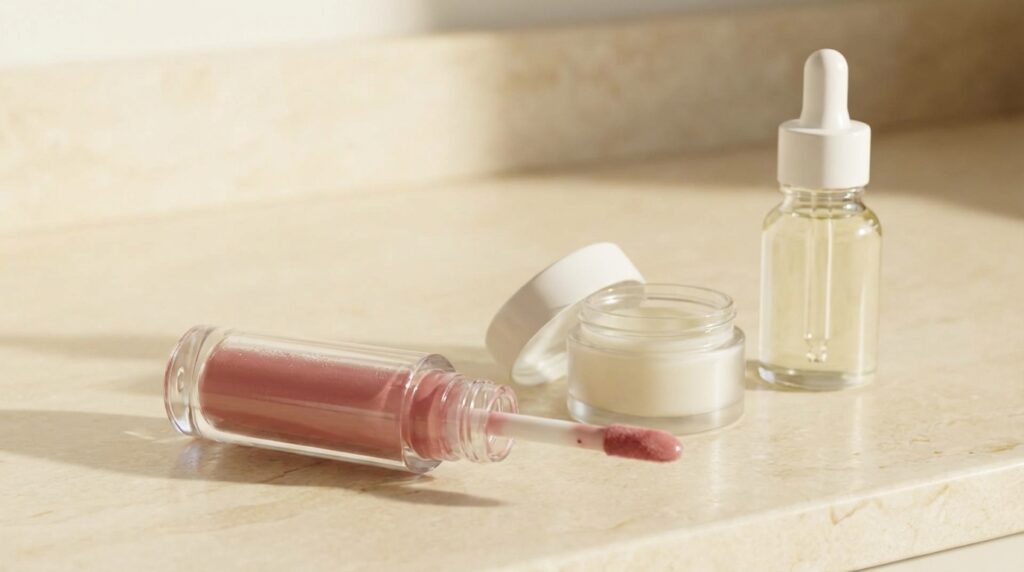
Liquid lipsticks have a reputation for being drying, but newer formulations often include ingredients like hyaluronic acid or oils. Look for products that specifically mention “comfortable wear” or “hydrating” on the packaging. These won’t last quite as long as the ultra-matte versions, but the trade-off in comfort is worth it for most people.
Lip Stains
Stains deposit color that sinks into the lip rather than sitting on top. They’re lightweight and tend to fade evenly, which means less obvious patchiness. Layer a hydrating balm over a stain for color that lasts with zero dryness.
Common Mistakes That Sabotage Your Lipstick
- Applying lipstick to dry, flaky lips. The color clings to dry patches and looks uneven within an hour. Always prep first.
- Using too much lip balm right before application. A thick layer of balm prevents lipstick from adhering. Less is more, and blotting is essential.
- Skipping lip liner entirely. Liner isn’t just for defining edges—it’s a base that extends wear time significantly.
- Rubbing lips together aggressively. This pushes color around and can cause it to migrate outside your lip line. Press gently instead.
- Reapplying over faded, patchy color. If your lipstick has worn off unevenly, blot or wipe away the remnants before adding more. Layering fresh color over patchy old color just makes things worse.
- Licking your lips. It’s a habit, but saliva breaks down lipstick quickly and dries out your lips even more. Reach for balm instead.
Midday Touch-Up Tips
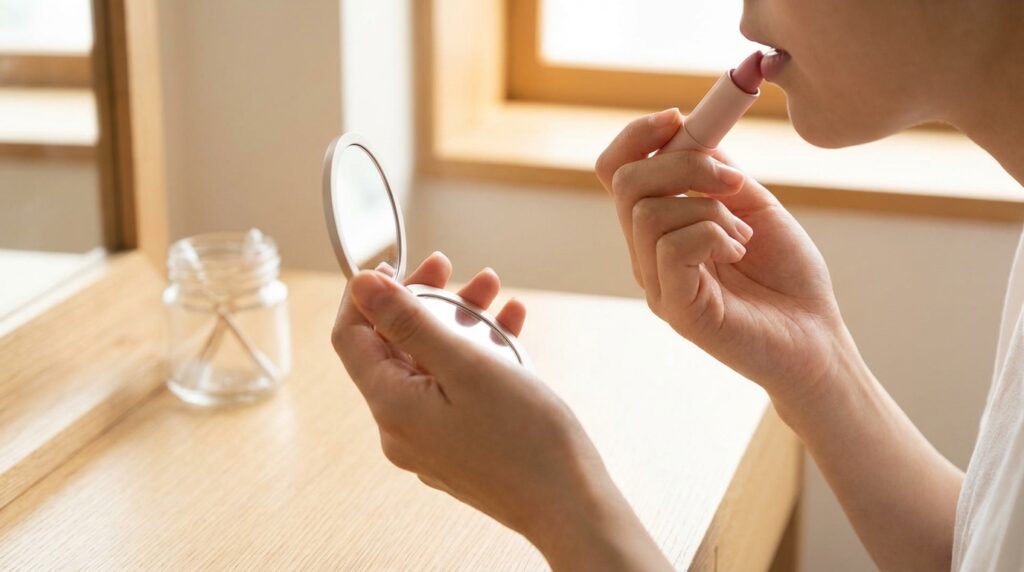
Even with perfect application, eating and drinking will affect your lipstick. Here’s how to refresh without starting from scratch.
If your color has faded but your lips still feel comfortable, simply reapply a thin layer of lipstick and blot. No need to redo the whole routine. If your lips feel dry, apply a tiny amount of balm first, let it absorb for a minute, then add color.
For liquid lipsticks that have worn off in the center but remain on the edges, use a cotton swab to remove the remaining product from the outer edges, then reapply evenly. Trying to fill in just the center creates an obvious line where old and new product meet.
Keeping a mini lip kit in your bag—liner, lipstick, and a hydrating balm—makes touch-ups quick and stress-free. If you’re somewhere without a mirror, a tinted balm in a similar shade is the safest option for a blind application.
Frequently Asked Questions
Does setting spray help lipstick last longer?
Some people swear by it, but setting spray is really designed for face makeup. It can feel uncomfortable on lips and may cause dryness. The tissue-and-powder method works better for most people without any weird texture issues.
Can I make a moisturizing lipstick last as long as a matte one?
Not quite as long, but you can get close. Using lip liner as a base and applying in thin layers significantly extends the wear of creamier formulas. You’ll likely need one touch-up versus zero, which is a fair trade for comfortable lips.
Why does my lipstick always feather into the lines around my mouth?
This happens more as skin loses elasticity, but it can affect anyone. Lip liner creates a barrier that helps prevent feathering. You can also apply a thin layer of foundation or primer around the lip edges before lining.
Is it bad to wear long-lasting lipstick every day?
If your lips feel consistently dry or irritated, give them a break with tinted balms or less intense formulas. Exfoliating and moisturizing regularly helps counteract any drying effects. Listen to your lips—if they’re unhappy, switch things up.
Summary and Next Step
Making lipstick last longer without drying your lips comes down to three things: proper prep, strategic application, and choosing formulas that work with your lips rather than against them. Exfoliate, hydrate, use liner as a base, apply in thin layers, and keep a touch-up kit handy. These small adjustments add up to color that stays put and lips that still feel good at the end of the day.
Your next step? Try the liner-as-a-base trick with whatever lipstick you already own. It’s the single change that makes the biggest difference, and you can build from there once you see the results.