
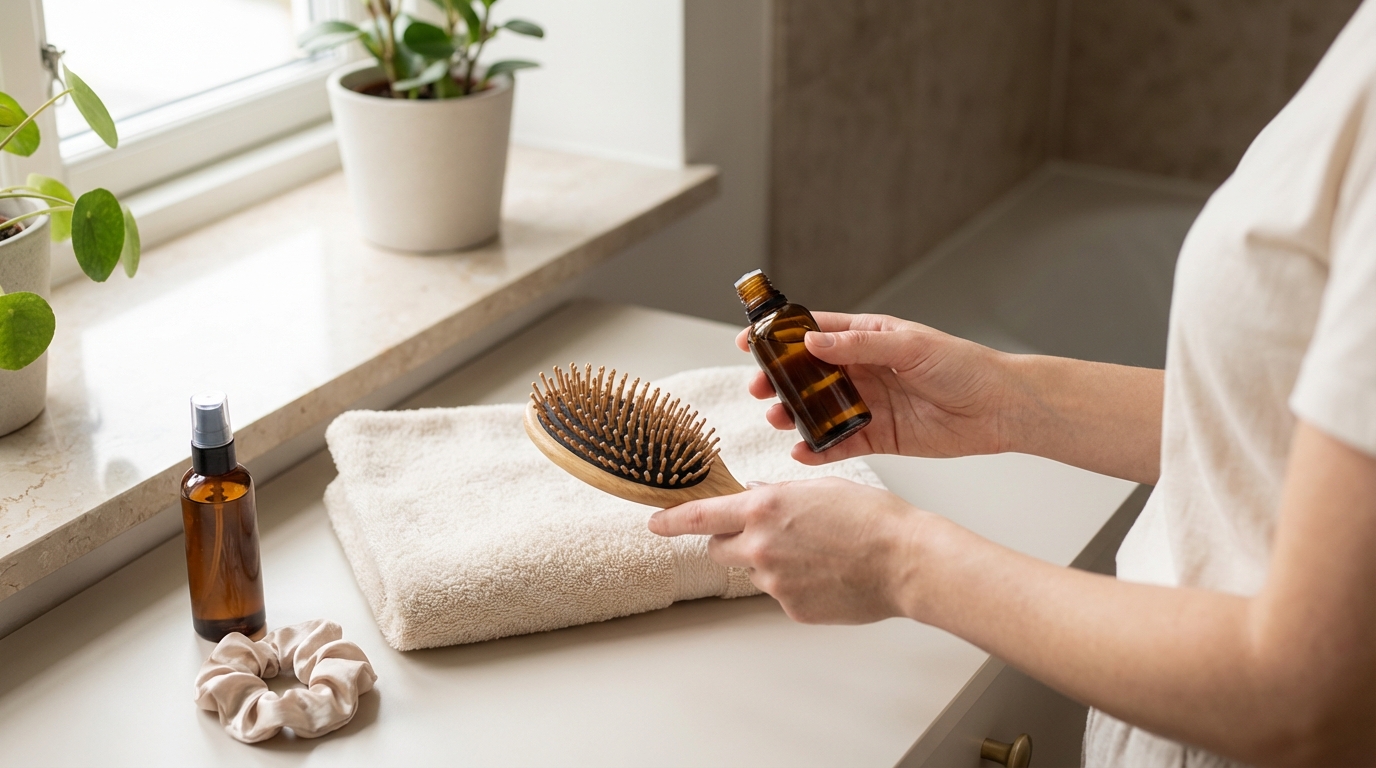
You wake up, glance at your hair, and it’s not quite fresh but not quite disaster either. The instinct is to reach for dry shampoo and spray until your roots turn chalky white. But here’s the thing—relying too heavily on dry shampoo can leave your hair feeling stiff, looking dull, and weighed down by product buildup. Learning how to refresh second-day hair without dry shampoo overload means your hair stays lighter, healthier, and actually looks like hair instead of a powdery helmet.
This guide walks you through simple techniques to revive your roots, add volume back, and stretch your wash days without that telltale dry shampoo residue. You’ll also pick up a few tricks for different hair types and situations—because not every second-day hair moment is the same.
Quick Routine for Refreshing Second-Day Hair
- Dampen roots lightly with water or a DIY refresh spray
- Massage scalp to redistribute natural oils
- Use a boar bristle brush to smooth and add shine
- Restyle with low heat or heatless methods
- Finish with a light hold product if needed
What You’ll Need
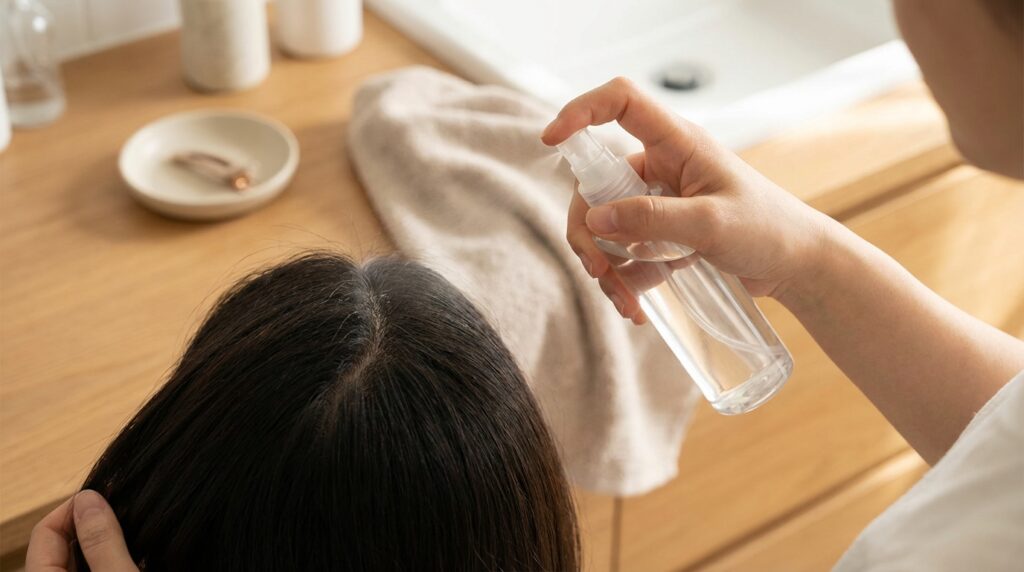
- A spray bottle with water (or a simple DIY refresh mixture)
- A boar bristle brush or wide-tooth comb
- Hair clips or claw clips for sectioning
- A lightweight leave-in conditioner or hair oil (optional)
- A silk or satin scrunchie for styling
- A diffuser attachment if you have wavy or curly hair
Most of these items are probably already in your bathroom. The goal here isn’t to buy a bunch of new products—it’s to use what you have more strategically.
Step-by-Step: Refreshing Your Hair the Right Way
Step 1: Start by assessing where your hair actually needs help. For most people, it’s the roots and crown area that get oily first, while the mid-lengths and ends stay relatively fine. Don’t treat your whole head the same way—focus your efforts where they’re needed.
Step 2: Lightly dampen your roots with a spray bottle. You don’t want dripping wet hair, just enough moisture to reset the oils and any product residue. If plain water feels too basic, mix in a tiny amount of leave-in conditioner or a few drops of essential oil like peppermint for a fresh scent.
Step 3: Massage your scalp with your fingernails (not fingernails—fingertips, sorry). This helps redistribute your natural sebum from the roots down the hair shaft, which actually adds shine instead of that greasy-looking flatness. Spend about 30 seconds on this. It also feels nice, which is a bonus.
Step 4: Brush through with a boar bristle brush. These brushes are excellent at moving oils through your hair evenly, and they smooth the cuticle so your hair looks shinier. Start from the mid-lengths and work your way up to avoid creating tangles. If you have curly or coily hair, skip this step and use a wide-tooth comb or your fingers instead.
Step 5: Restyle as needed. If your hair has gone flat overnight, flip your head upside down and scrunch at the roots for instant volume. You can also use a few velcro rollers at the crown while you do your makeup—ten minutes is usually enough to add lift without any heat.
Step 6: If you need a little extra hold or smoothing, apply a pea-sized amount of lightweight styling cream or a drop of hair oil to your ends. Avoid the roots entirely here, or you’ll undo all your work.
Shortcut If You’re Short on Time
- Flip your head upside down and shake at the roots for five seconds—instant volume
- Use a silk scarf as a headband to hide oily roots while looking intentional
- Pull hair into a low bun or claw clip style that works with second-day texture
- Spritz only the very front hairline if you must use dry shampoo—skip the rest
- A quick braid can disguise a lot and looks effortlessly put-together
Common Mistakes When Refreshing Second-Day Hair
A common issue is over-wetting the hair. If you soak your roots, you’re basically committing to restyling from scratch, and your hair might dry weird or frizzy. A light mist is all you need—think dewy, not damp.
Another mistake is brushing curly or wavy hair with a regular brush. This breaks up your curl pattern and creates frizz. If you have texture, scrunch with wet hands or use a curl refresher spray instead of brushing.
People also tend to pile on products in an attempt to fix things. More product rarely equals better results. It usually just means more buildup, which makes your hair look dirty faster the next day. Start with less than you think you need.
Finally, skipping the scalp massage seems minor but makes a difference. When oils sit concentrated at the roots, they look greasy. When they’re distributed, they actually condition your hair and add a healthy sheen.
Adjusting for Different Hair Types
Fine or Straight Hair
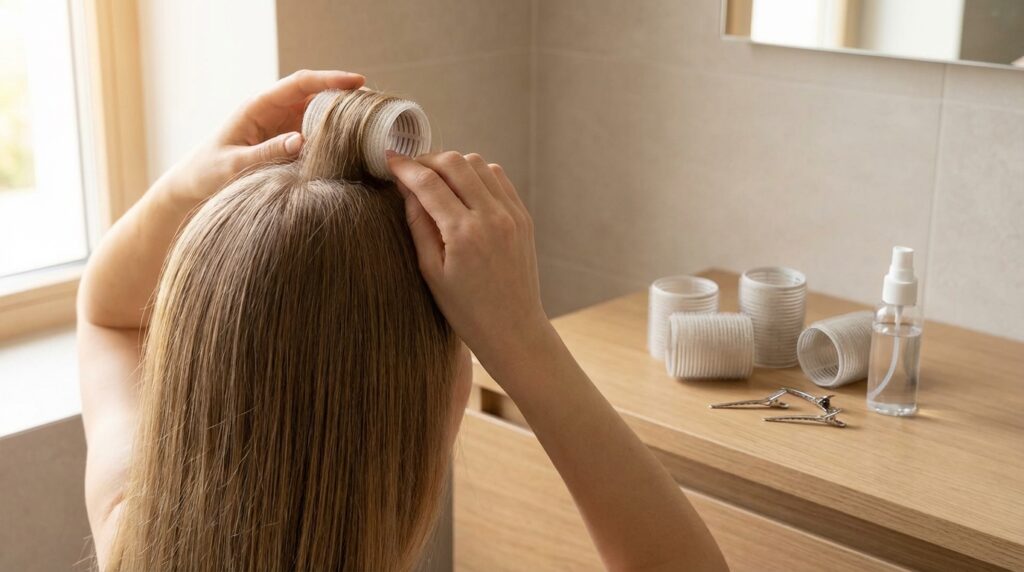
Fine hair shows oil faster, so focus on lifting the roots. Velcro rollers, root clips, or even sleeping with your hair in a loose top knot can help maintain volume. When refreshing, use the least amount of water possible—fine hair gets weighed down quickly.
Thick or Coarse Hair
Thick hair can handle more moisture and often benefits from a leave-in conditioner refresh. Your natural oils take longer to travel down the hair shaft, so the ends might actually need hydration while the roots are fine. Focus your refresh spray on the lengths rather than the scalp.
Wavy or Curly Hair
Second-day curls often just need reactivation. Wet your hands, scrunch your curls to wake them up, and let them air dry or use a diffuser on low heat. A tiny bit of curl cream or gel can help redefine pieces that have gone flat or frizzy overnight.
Why Cutting Back on Dry Shampoo Matters
Dry shampoo isn’t evil—it’s genuinely useful in moderation. But when it becomes a daily habit, problems start showing up. The powder and starch can clog hair follicles, leading to scalp irritation or even breakouts along your hairline. Heavy buildup also makes hair look dull and feel stiff, which kind of defeats the purpose of trying to look fresh.
Most people notice that when they reduce dry shampoo use, their hair actually stays cleaner longer between washes. It sounds backwards, but constantly coating your scalp with product can trigger more oil production as your skin tries to compensate.
If you’ve been a heavy dry shampoo user, consider doing a clarifying wash once a week to remove buildup. Then try these refresh techniques on your second and third days instead of reaching for the spray automatically.
Frequently Asked Questions
Can I refresh my hair multiple days in a row without washing?
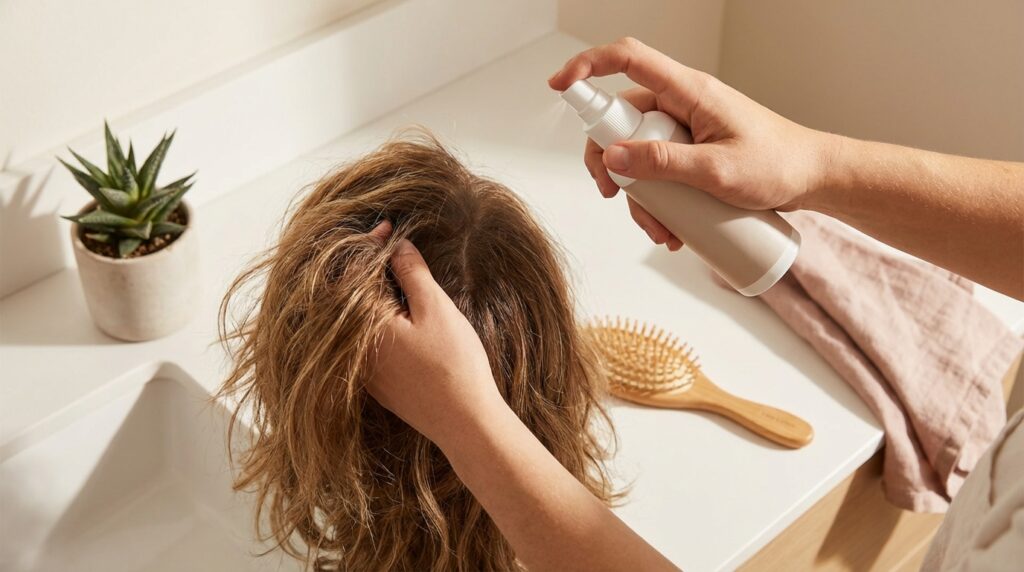
Yes, but it depends on your hair type and lifestyle. Most people can comfortably go two to three days using these techniques. Beyond that, buildup from natural oils and environmental factors usually means it’s time for an actual wash. Listen to your scalp—if it feels itchy or irritated, wash it.
What if my hair still looks greasy after refreshing?
Try a hairstyle that works with the texture instead of fighting it. Slicked-back buns, braids, or wet-look styles can turn greasy roots into a deliberate aesthetic. You can also use a tiny amount of dry shampoo just at the hairline and part—the key is moderation, not elimination.
Is it bad to wet my hair every day without fully washing it?
Lightly misting your roots is different from soaking your hair daily. A light refresh shouldn’t cause damage. However, if you’re wetting and heat-styling every single day, that’s harder on your hair than just washing it properly every few days.
What’s a good DIY refresh spray?
Mix water with a few drops of lightweight hair oil or a splash of leave-in conditioner. Some people add a drop of tea tree oil for a tingly, clean feeling. Keep it simple—you don’t need ten ingredients.
Summary and Next Step
Refreshing second-day hair without dry shampoo overload comes down to working with your hair’s natural texture and oils instead of burying them under product. A light mist of water, a good scalp massage, the right brush for your hair type, and strategic restyling can keep your hair looking fresh without the chalky buildup.
Start small: tomorrow morning, try the water-and-massage method before reaching for the dry shampoo. See how your hair responds. You might be surprised at how much better it looks—and how much longer you can stretch your wash days once you break the dry shampoo cycle.