
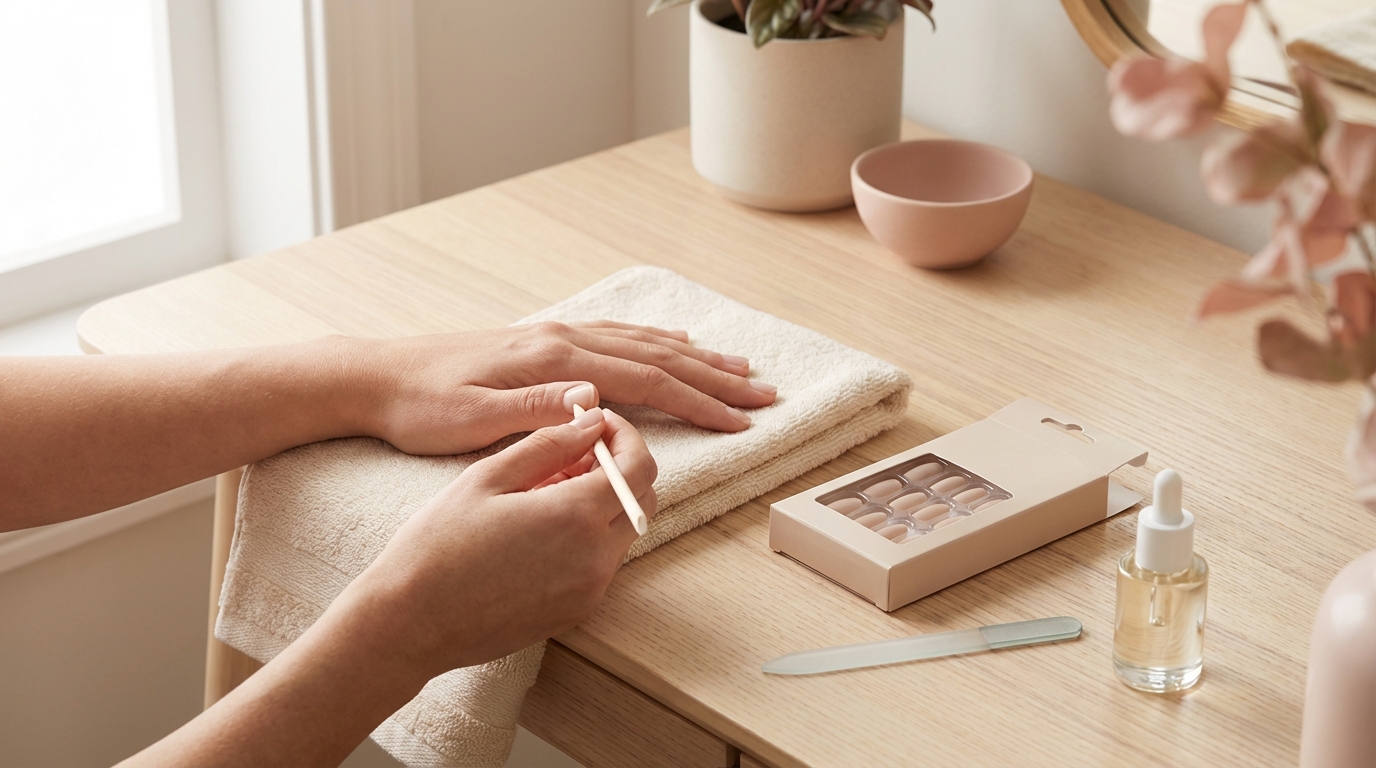
You just ordered a gorgeous set of press-on nails, and you’re already imagining how good they’ll look. But here’s the thing: slapping them on without any prep is a recipe for lifting, bubbling, and that frustrating moment when one pops off mid-day. A proper DIY manicure at home before press-ons makes all the difference between nails that last three days and nails that last two weeks.
This guide walks you through the full prep routine—from shaping your natural nails to getting your nail beds perfectly clean and ready for adhesion. You’ll learn what tools actually matter, which steps you can skip when you’re short on time, and the common mistakes that sabotage even the prettiest press-ons.
Quick Steps for Press-On Prep
- Remove old polish and clean nails thoroughly
- Push back and tidy cuticles (don’t cut unless necessary)
- Shape and lightly file natural nails
- Buff the nail surface gently to remove shine
- Dehydrate with alcohol or a nail prep solution
- Apply press-ons while nails are completely dry and oil-free
What You’ll Need
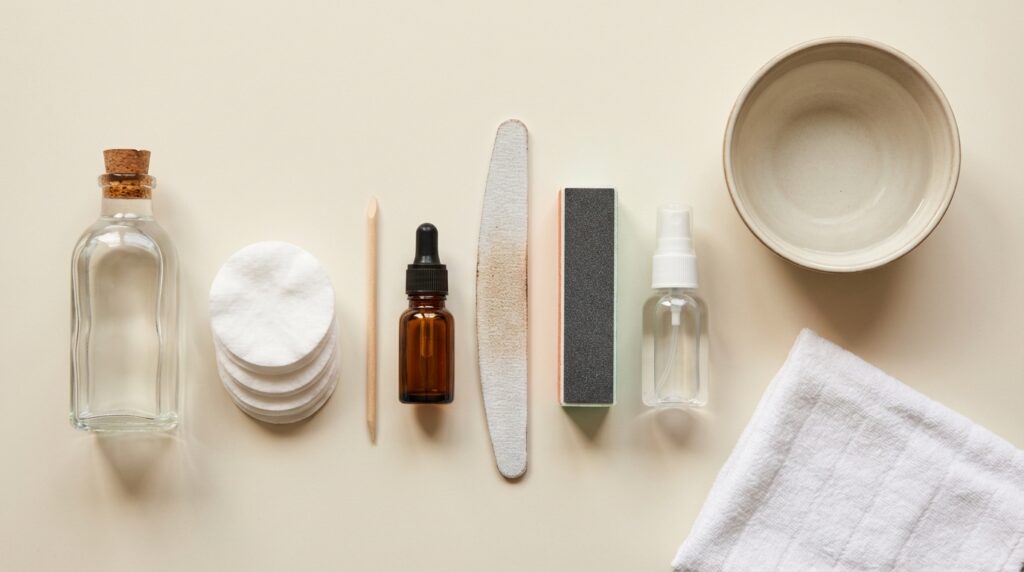
You don’t need a professional kit to do this well. Most of these items are inexpensive and last for months. Here’s your basic setup:
- Nail polish remover (acetone or non-acetone)
- Cotton pads or lint-free wipes
- Cuticle pusher (metal or wooden orange stick)
- Cuticle oil or remover gel (optional but helpful)
- Nail file (180 grit is a good all-rounder)
- Buffer block (the kind with multiple sides)
- Rubbing alcohol or nail dehydrator
- Small bowl of warm water
- Clean towel
If you’re working with a tight budget, prioritize the file, buffer, cuticle pusher, and alcohol. Those four items do most of the heavy lifting.
The Full DIY Manicure Routine Before Press-Ons
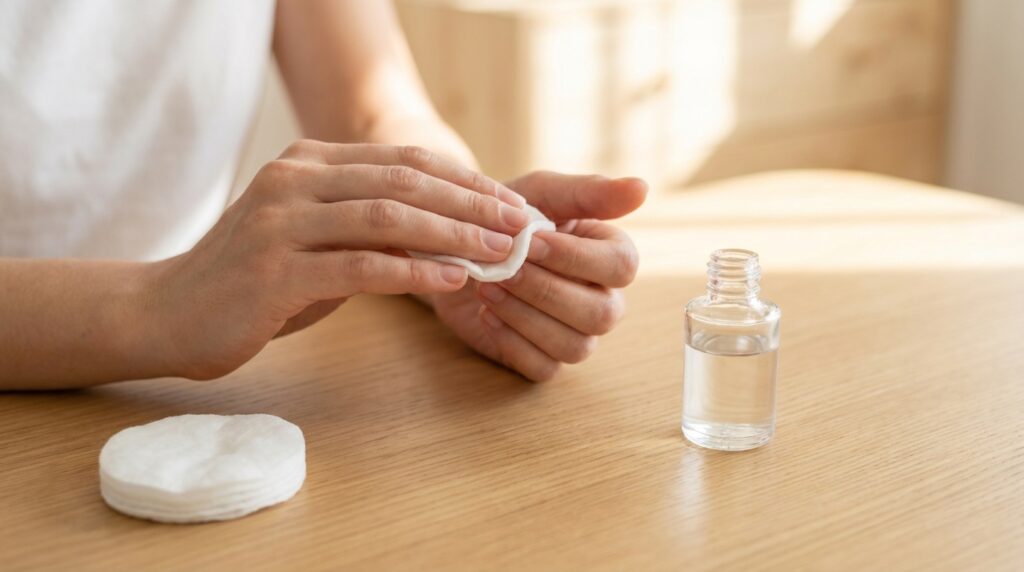
Step 1: Start by removing any existing nail polish. Even if your nails look bare, there might be residue from old base coats or treatments. Use a cotton pad soaked in remover and press it against each nail for a few seconds before wiping. This dissolves the polish more effectively than scrubbing back and forth, which can dry out your nails and surrounding skin.
Step 2: Soak your fingertips in warm water for about three to five minutes. This softens your cuticles and makes them much easier to push back. You can add a drop of gentle soap or cuticle oil to the water if you like, but plain warm water works fine. Don’t soak too long—overly soft nails can become weak and bendy, which isn’t ideal for press-on application.
Step 3: Dry your hands completely, then apply a small amount of cuticle remover gel around each nail if you have it. Let it sit for a minute. Using your cuticle pusher, gently push back the cuticle in small circular motions. The goal is to reveal more of the nail plate, which gives your press-ons a larger surface to adhere to.
A common mistake here is pushing too aggressively or cutting cuticles that don’t need cutting. Cuticles protect your nail matrix from bacteria, so only trim visible hangnails or truly overgrown skin. If you’re unsure, just push—don’t cut.
Step 4: Shape your natural nails with a file. Even though press-ons will cover them, having a smooth, even edge prevents weird pressure points and helps the press-on sit flush. File in one direction rather than sawing back and forth, which can cause splitting. Keep your natural nails slightly shorter than the press-on length for the most comfortable fit.
Step 5: This step is crucial and often skipped. Take your buffer block and gently buff the surface of each nail. You’re not trying to thin them out—just remove the natural shine. That glossy surface is actually a layer of oils and keratin that prevents adhesives from bonding properly. A few light strokes with the fine side of the buffer creates a slightly rough texture that glue and adhesive tabs grip onto much better.
If you’ve ever had press-ons pop off within hours, insufficient buffing is usually the culprit.
Step 6: Wash your hands with soap to remove all the dust and debris from filing and buffing. Dry them thoroughly—and I mean thoroughly. Any moisture trapped under a press-on creates a breeding ground for bacteria and weakens the bond.
Step 7: The final prep step is dehydrating your nail beds. Soak a lint-free wipe or cotton pad in rubbing alcohol (70% or higher) and swipe each nail. This removes any remaining oils, lotion residue, or moisture. Let your nails air dry for about thirty seconds. At this point, avoid touching your nail beds with your fingers—the oils from your skin transfer instantly.
Now your nails are prepped and ready for press-on application.
Shortcut If You’re Short on Time
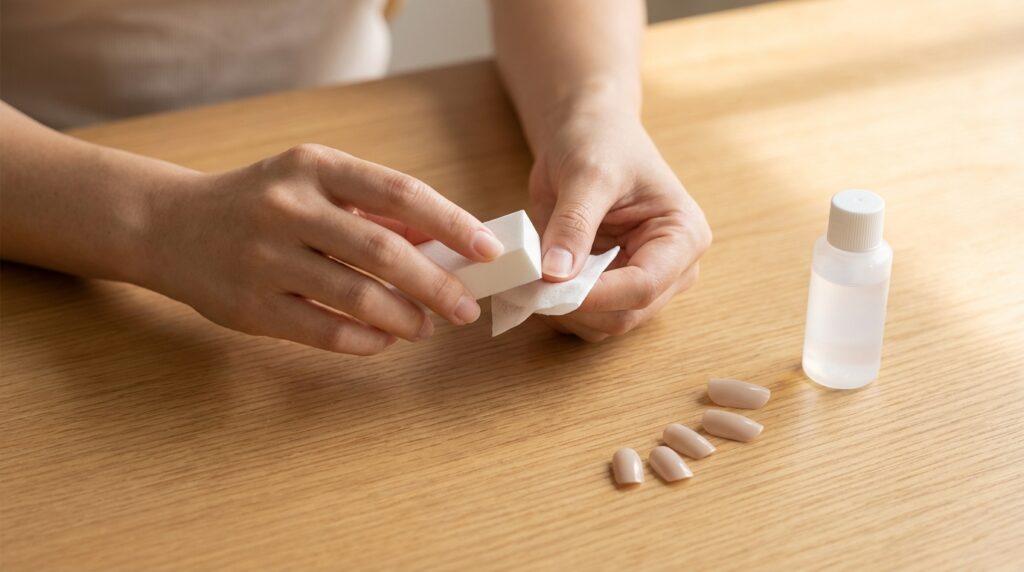
Running late but still want decent adhesion? Here’s the abbreviated version:
- Skip the soak—just wash hands with warm water and soap
- Push cuticles back dry (gentler pressure, no remover gel)
- Quick buff on each nail—five strokes per nail is enough
- Wipe with alcohol and let dry
- Apply press-ons immediately while nails are still dehydrated
This shortcut won’t give you maximum longevity, but it’s far better than skipping prep entirely. Most people notice at least a few extra days of wear compared to zero prep.
Common Mistakes That Ruin Press-On Adhesion
Even with good intentions, a few habits can undermine your prep work:
- Applying lotion before press-ons: Hand cream feels nice, but it leaves an oily film that adhesive can’t penetrate. Save the moisturizer for after application, and apply it around—not on—your nails.
- Skipping the buffing step: Shiny nails look healthy, but that shine is your enemy when it comes to glue. Always buff, even if it feels unnecessary.
- Using old or weak alcohol: If your rubbing alcohol has been open for ages, it may have lost potency. Fresh alcohol or a dedicated nail dehydrator works better.
- Rushing the drying time: Applying press-ons to damp nails is one of the fastest ways to guarantee lifting. Wait until they feel completely dry to the touch.
- Pressing only the center: When applying the press-on, press firmly on the edges and sides too—not just the middle. Air pockets along the edges cause lifting within days.
Frequently Asked Questions
How long does a full DIY manicure prep take?
About fifteen to twenty minutes if you’re being thorough. The shortcut version takes around five minutes. It’s worth budgeting the extra time at least for your first few applications until you get a feel for what your nails need.
Can I use hand sanitizer instead of rubbing alcohol?
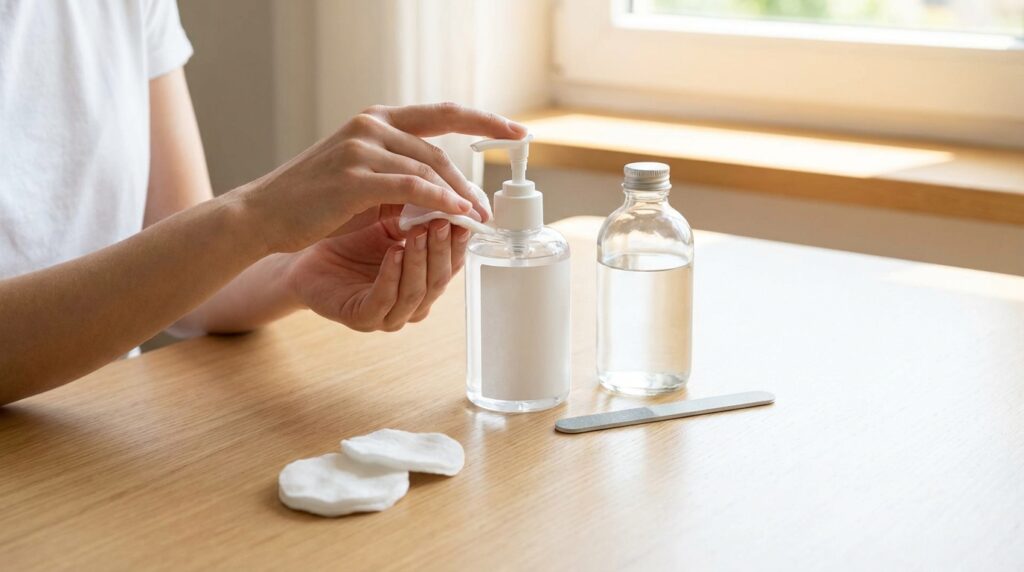
In a pinch, yes—but it’s not ideal. Most hand sanitizers contain moisturizing ingredients like aloe or glycerin, which leave residue. Plain rubbing alcohol or a nail-specific dehydrator gives cleaner results.
Do I need to buff every single time?
If you want maximum wear time, yes. Some people skip buffing for short-term wear (like a weekend event), but for everyday press-ons you want to last, buffing makes a noticeable difference.
What if my cuticles are really overgrown?
Soak a bit longer and use cuticle remover gel to soften them. Push back gently over several sessions rather than trying to fix everything at once. If they’re extremely overgrown or painful, consider seeing a nail technician for a professional cleanup first.
Summary and Next Step
A solid DIY manicure before press-ons isn’t complicated—it just requires a few intentional steps that most people skip. Clean nails, pushed-back cuticles, a buffed surface, and proper dehydration create the foundation for press-ons that actually stay put. The whole routine takes less time than watching a single TV episode, and the payoff is nails that look salon-fresh for much longer.
Next time you’re ready to apply a new set, try following this prep routine from start to finish. You’ll likely notice the difference in how securely they bond—and how much longer they last before you see any lifting.