
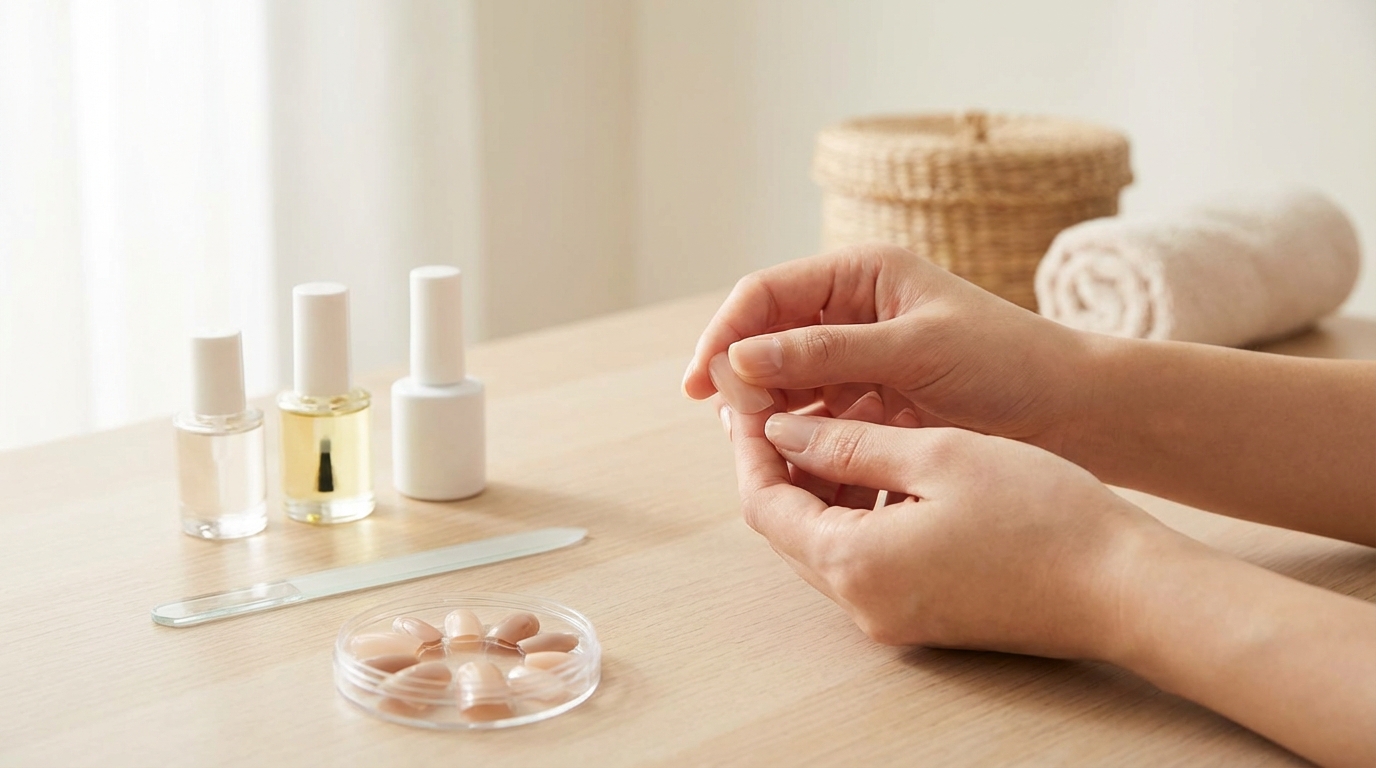
You carefully applied your press-on nails, admired them for about five minutes, and then one pinged off into your coffee cup. Sound familiar? Figuring out how to stop press-on nails from popping off is one of the most common frustrations for anyone who loves the convenience of at-home manicures but hates the disappointment of watching their work unravel before lunch.
The good news: this is almost always a prep or application issue, not a “press-ons just don’t work for me” issue. In this guide, you’ll learn exactly why nails lift prematurely, how to prep your natural nails properly, and the small tweaks that can take your wear time from one day to a full week or longer.
Quick Steps to Keep Press-On Nails in Place
- Push back cuticles and gently buff the nail surface to remove shine.
- Clean nails thoroughly with alcohol or a dehydrator—no oils, no lotion residue.
- Size each nail before you start; a slightly smaller fit beats a too-large one.
- Apply adhesive to both your natural nail and the press-on for stronger hold.
- Press firmly for at least 30 seconds per nail, focusing on the edges.
- Avoid water for the first hour after application.
What You’ll Need
- Press-on nails in your chosen style
- Nail glue or adhesive tabs (glue typically lasts longer)
- Cuticle pusher or orange stick
- Nail file or buffer
- Rubbing alcohol or nail dehydrator
- Lint-free wipes or cotton pads
- Optional: nail primer for extra grip
Why Press-On Nails Pop Off So Quickly
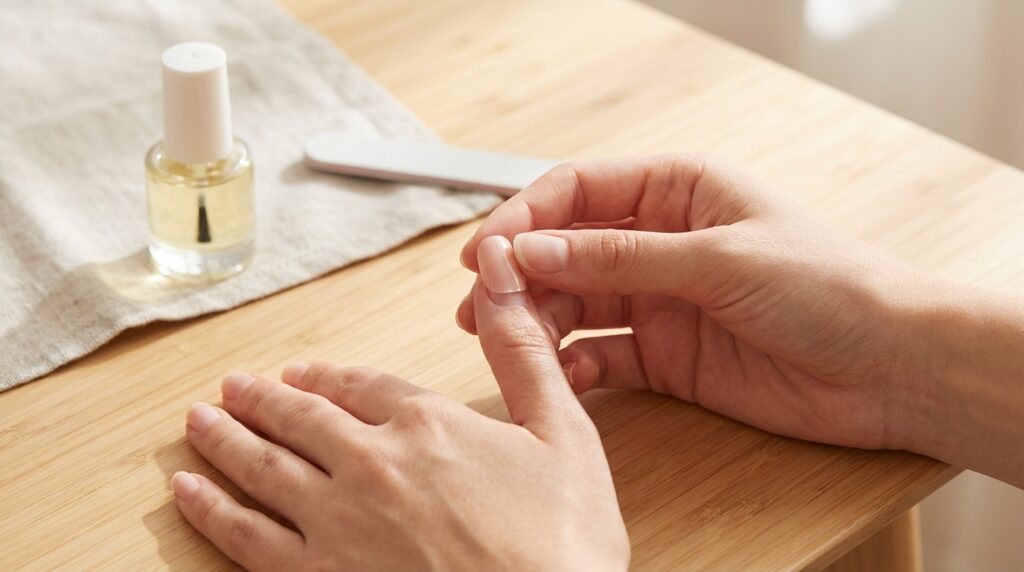
Before diving into the steps, it helps to understand what’s working against you. Press-on nails rely on a clean, slightly rough surface to bond properly. Any barrier between the adhesive and your natural nail—oil, moisture, lotion, even the natural shine of your nail plate—weakens that bond significantly.
Another common culprit is sizing. If a press-on is even slightly too wide, it will catch on things and lift at the edges. And if you skip the “press and hold” step because you’re in a rush, the adhesive never gets the pressure it needs to cure properly. Most people notice their nails start lifting within hours when they’ve skipped one of these basics.
The Oil Problem
Your nail beds produce natural oils constantly. If you’ve applied hand cream, cuticle oil, or even just washed dishes before doing your nails, there’s likely an invisible film sitting on your nails. This is the number one reason press-ons fail early. A quick swipe with rubbing alcohol right before application makes a noticeable difference.
Step-by-Step Application for Long-Lasting Wear
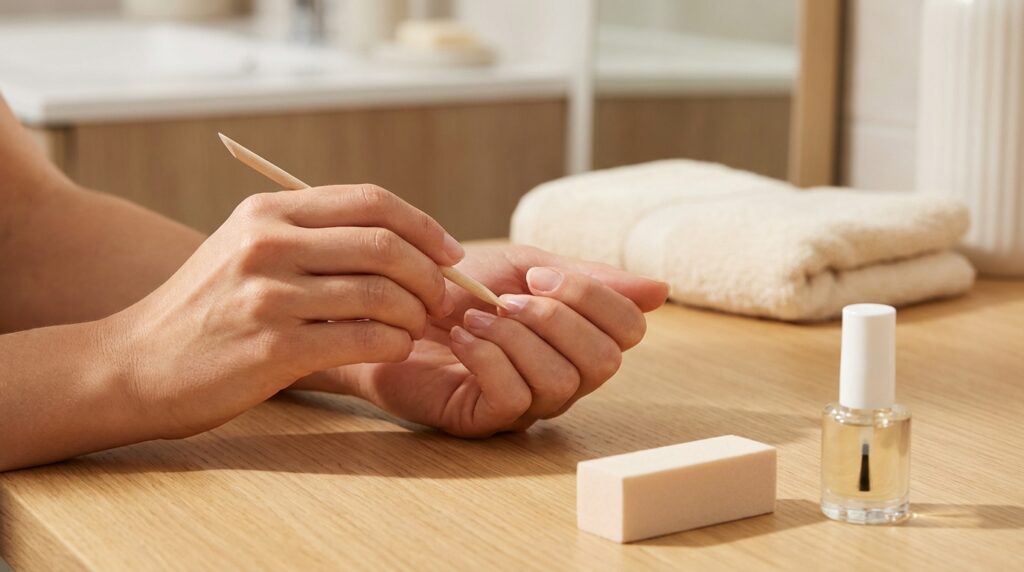
Step 1: Start by pushing back your cuticles gently. You don’t need to cut them—just nudge them back so the press-on can sit flush against your nail without any skin underneath. If there’s cuticle skin stuck to the nail plate, the press-on will lift in that spot first.
Step 2: Lightly buff the surface of each nail. You’re not trying to file them down, just remove the natural shine. Think of it like sanding a wall before painting—it gives the adhesive something to grip. A few gentle strokes with a fine buffer is enough.
Step 3: Clean each nail with rubbing alcohol or a nail dehydrator. Use a lint-free wipe if you have one; cotton balls can leave tiny fibers behind. Let your nails air dry for about 30 seconds. They should look matte and feel almost chalky.
Step 4: Size your press-ons before you touch any glue. Lay each one over your natural nail and check the fit. The press-on should cover your nail from sidewall to sidewall without overlapping onto your skin. If you’re between sizes, go smaller. A nail that’s too wide will catch on everything and pop off faster.
Step 5: Apply a thin layer of glue to your natural nail, then another thin layer to the inside of the press-on. This double-layer method creates a stronger bond than glue on just one surface. Avoid globs—excess glue squishes out the sides and looks messy, plus it doesn’t actually help adhesion.
Step 6: Place the press-on at a slight angle, starting near the cuticle, and press down firmly as you roll it into place. Hold for at least 30 seconds. This is the step most people rush, and it matters more than you’d think. The pressure helps the glue spread evenly and begin curing.
Step 7: Once all ten nails are on, avoid water for at least one hour. Some people recommend waiting two hours if you can. Water weakens nail glue before it’s fully set, so washing dishes or showering right after application is a recipe for early pop-offs.
Shortcut If You’re Short on Time
- At minimum, swipe each nail with alcohol and let dry—never skip this.
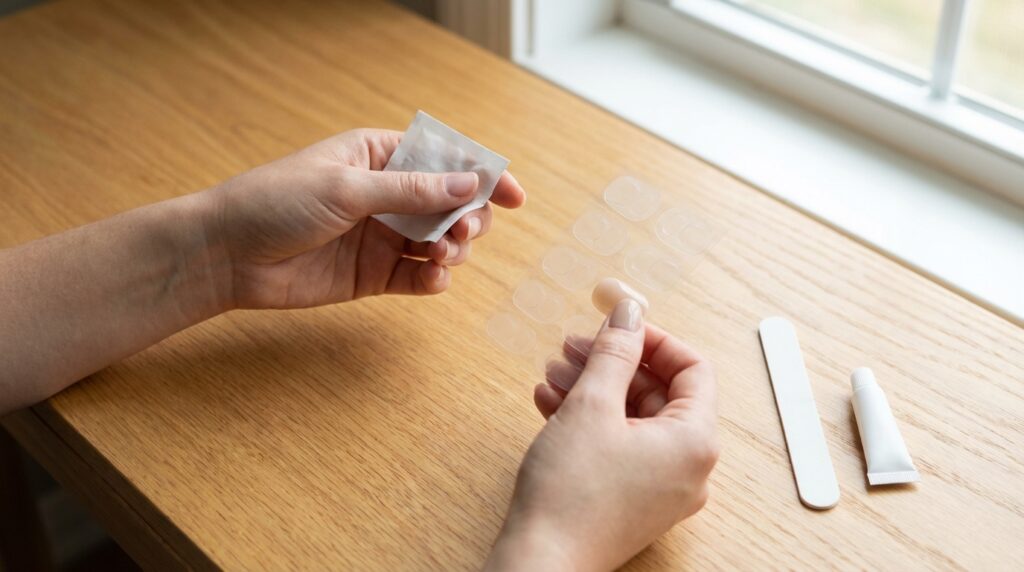
- Use adhesive tabs instead of glue; they’re faster to apply and easier to remove, though they typically last 1–3 days rather than a week.
- Pre-size your nails the night before so you’re not fumbling in the morning.
- Focus your press-and-hold time on thumbs and index fingers—they take the most abuse.
- Keep a spare nail and mini glue in your bag for emergency repairs.
Common Mistakes That Cause Early Lifting
- Applying over lotion or oil: Even if your hands feel dry, residue lingers. Always cleanse nails right before application.
- Skipping the buffing step: Shiny nails equal slippery nails. A quick buff takes 30 seconds and doubles your wear time.
- Choosing the wrong size: Too big is worse than too small. Edges that hang over your natural nail will snag and lift.
- Using old glue: Nail glue loses effectiveness over time, especially if it’s been opened for months. If your glue is thick or stringy, replace it.
- Not pressing long enough: A quick tap won’t cut it. Thirty seconds of firm pressure per nail is the sweet spot.
- Getting nails wet too soon: Water is the enemy of fresh nail glue. Plan your application so you won’t need to wash your hands immediately after.
Extra Tips for Stubborn Cases
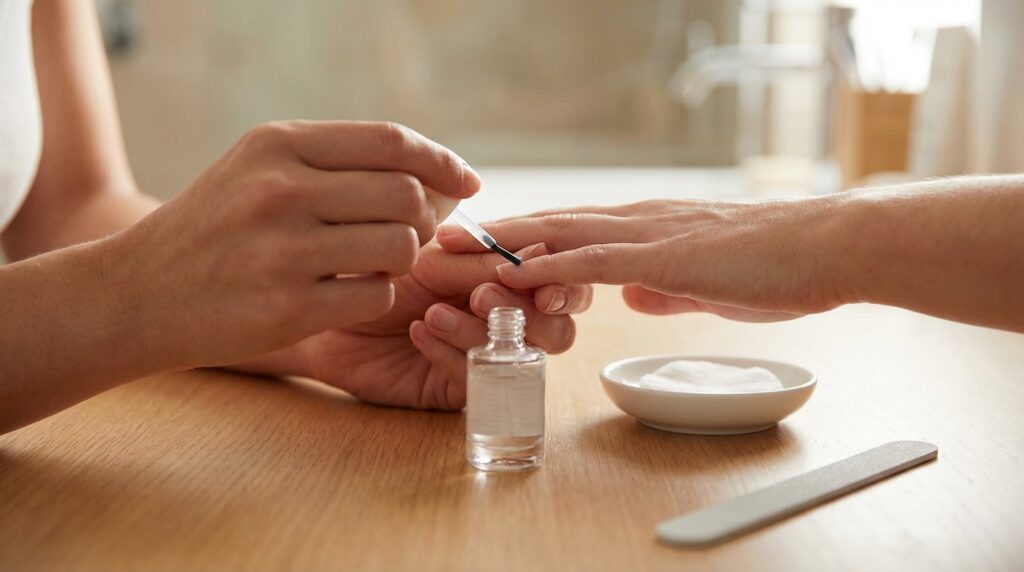
If you’ve tried everything and your nails still won’t stay put, consider adding a nail primer or bonder to your routine. These products are designed to remove moisture and oil while creating a tackier surface for adhesive. Apply a thin coat after cleaning with alcohol and let it dry before gluing.
Another trick: if you have naturally oily nail beds, try wiping your nails with alcohol again right before bed and letting them “breathe” overnight. Apply your press-ons in the morning when oil production is lower. It sounds fussy, but for some people, this small timing change makes a real difference.
If you’re someone who types a lot or uses your hands heavily, pay extra attention to your thumb and index finger nails. These take the most impact and are usually the first to lift. You might apply a tiny extra drop of glue on these nails or press them for a full 45 seconds.
Frequently Asked Questions
Do adhesive tabs work as well as nail glue?
Adhesive tabs are convenient and gentler on your natural nails, but they typically last 1–3 days compared to a week or more with glue. They’re great for events or when you want easy removal, but for longer wear, glue is the better choice.
Can I shower with press-on nails?
Yes, but wait at least one to two hours after application. Once the glue has fully set, normal showering is fine. Just avoid soaking your hands for extended periods, like long baths or swimming, as prolonged water exposure weakens the bond over time.
Why do my press-ons only pop off on certain fingers?
Usually it’s a sizing or pressure issue on those specific nails. Your dominant hand’s index finger and thumb get the most use, so they’re prone to lifting. Double-check the fit on problem fingers and consider applying a bit more glue or holding longer during application.
Is it bad for my natural nails to wear press-ons frequently?
Press-ons are generally gentler than acrylics or hard gels, especially if you remove them properly by soaking rather than peeling. Give your nails a break every few weeks, and keep them moisturized between applications to maintain nail health.
Summary and Next Step
Stopping press-on nails from popping off comes down to three things: thorough prep, proper sizing, and patience during application. Clean nails, a light buff, the right fit, and a solid 30-second press per nail will get you dramatically better results than rushing through the process. Most people who struggle with press-ons find that fixing just one of these steps solves the problem entirely.
Your next step is simple: grab some rubbing alcohol and a buffer, and try your next application with the full prep routine. Give yourself an extra ten minutes, and see how much longer your manicure lasts. Once you nail the technique, press-ons become one of the easiest and most budget-friendly ways to keep your nails looking polished.