
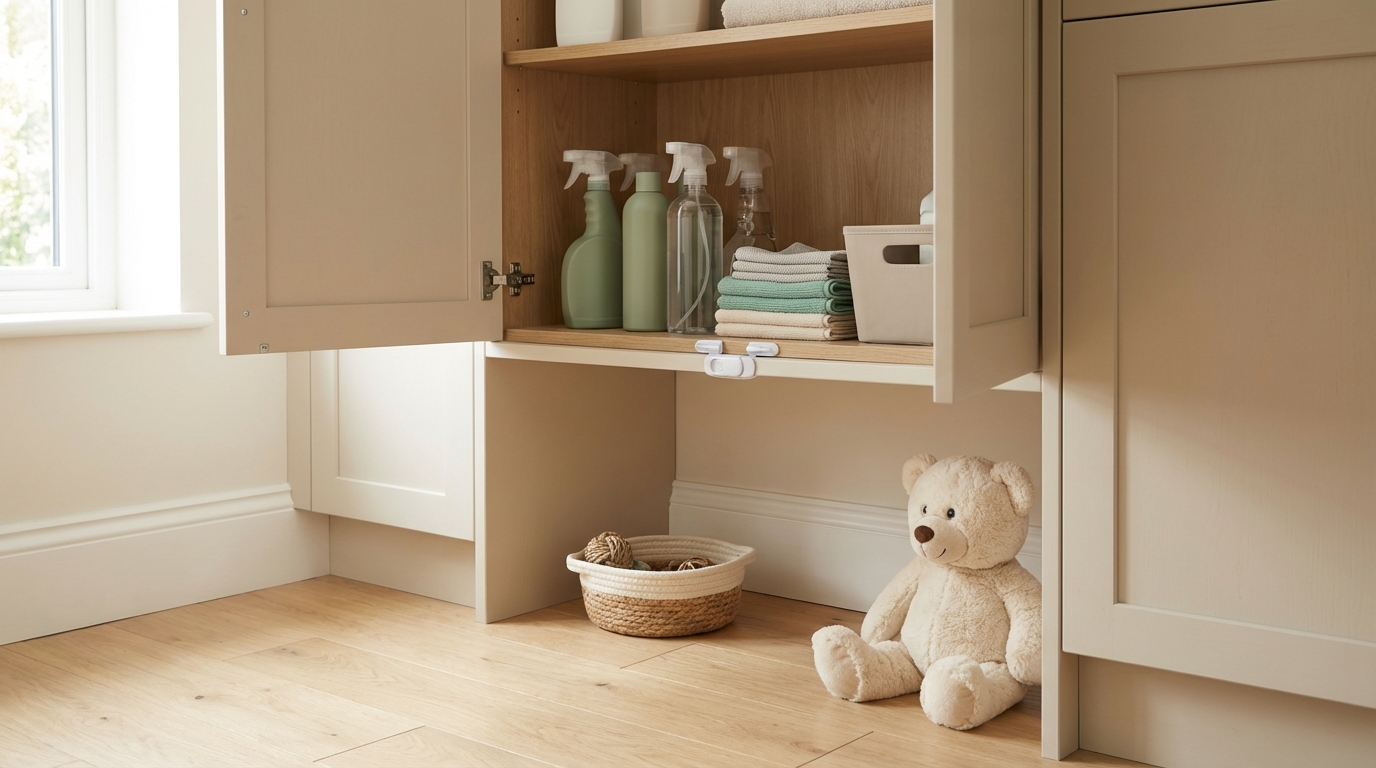
You’ve probably had that heart-stopping moment: your toddler wanders into the laundry room, or your cat jumps onto the counter where you left the all-purpose spray. Keeping cleaning supplies away from kids and pets isn’t just about tidiness—it’s one of those non-negotiable safety basics that every household needs to sort out. The tricky part? Most homes weren’t designed with curious little hands or paws in mind, so you have to get a bit creative with storage.
This guide walks you through practical ways to store your cleaning products safely, what to look for in storage solutions, and a few low-effort habits that make a real difference. By the end, you’ll have a clear plan that works for your space—whether you live in a sprawling house or a compact apartment.
Quick Steps to Childproof and Pet-Proof Your Cleaning Supplies
- Audit every room where cleaning products live (kitchen, bathroom, laundry, garage)
- Move all supplies to high shelves or locked cabinets
- Install childproof latches on any low cabinets you can’t avoid using
- Switch to opaque containers so bright colors don’t attract attention
- Create a single “cleaning station” to reduce scattered products
- Post emergency numbers (poison control) somewhere visible
What You’ll Need
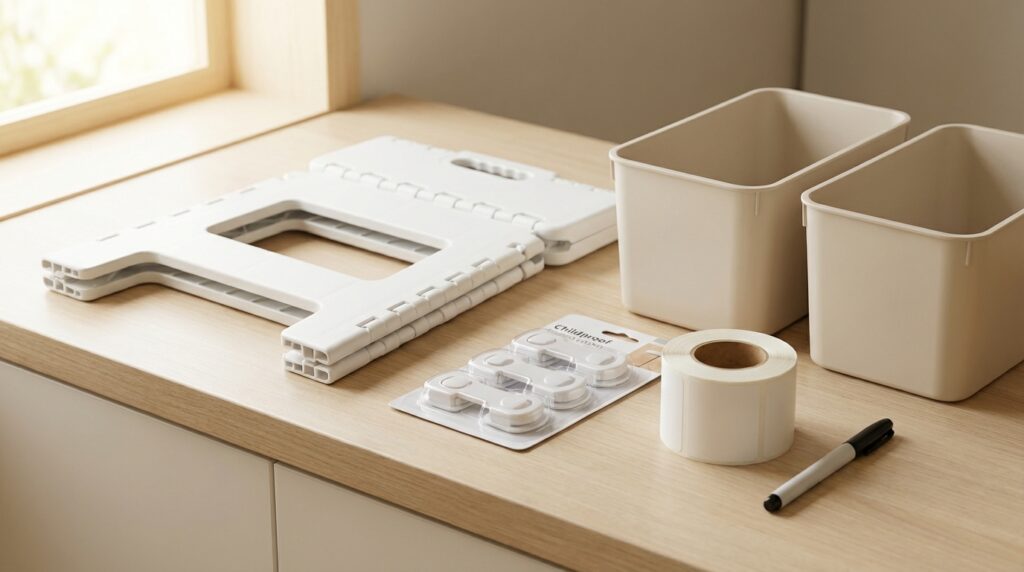
Before you start reorganizing, gather a few supplies. Nothing fancy here—most of these you might already own or can pick up cheaply.
- Childproof cabinet latches (magnetic or adhesive styles work well)
- A high shelf, wall-mounted cabinet, or lockable storage bin
- Opaque storage containers or a cleaning caddy
- Labels or a marker for clear identification
- A step stool for yourself (so you can actually reach the high spots)
If you’re renting and can’t drill into walls, look for over-the-door organizers or freestanding lockable cabinets. They’re not permanent, and you can take them with you when you move.
Step-by-Step: Securing Your Cleaning Supplies
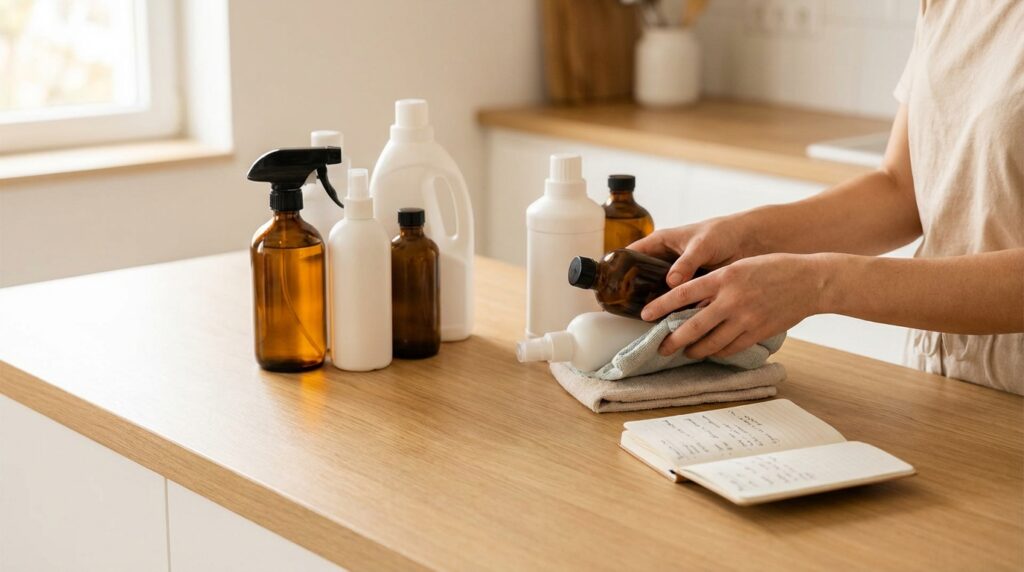
Step 1: Walk through your home and note every spot where cleaning products currently live. Most people forget about the bathroom cabinet, the bucket under the kitchen sink, the garage shelf, and random bottles tucked beside the washing machine. Write it all down—you’ll be surprised how scattered things get.
Step 2: Sort your products into two piles: things you use weekly and things you use rarely. The weekly items need convenient but secure storage. The rarely-used stuff (like oven cleaner or drain unblocker) can go somewhere less accessible, like a high garage shelf or a locked bin in a closet.
Step 3: Choose your primary storage location. Ideally, this is a single spot that’s either high up or has a lock. A wall-mounted cabinet in the laundry room works well. If you’re short on wall space, a tall utility cabinet with a latch does the job. The goal is to avoid having cleaning supplies in five different rooms.
Step 4: Install childproof latches on any low cabinets you absolutely must use. The magnetic kind are popular because they’re invisible from the outside and fairly toddler-resistant. Adhesive latches are easier to install but may not hold up as well over time. Either way, test them—give the cabinet a good tug to make sure a determined kid can’t pop it open.
Step 5: Transfer products into a caddy or bin if you need to carry them around the house. This keeps everything together and makes it easier to put away properly when you’re done. A caddy with a handle is especially useful because you can stash it on a high shelf between uses.
Step 6: Label everything clearly. If you’ve decanted products into plain containers (which some people do for aesthetic reasons), make sure the label says exactly what’s inside. In an emergency, you don’t want to guess whether that bottle is vinegar or bleach.
Shortcut If You’re Short on Time
- Buy a single lockable plastic bin, toss all your cleaning supplies in it, and store it on a high shelf—done in ten minutes
- Use a tension rod under the sink to hang spray bottles by their triggers, then add a magnetic latch to the cabinet door
- Stick adhesive hooks inside a high closet door and hang a cleaning caddy there
- If you have a utility closet with a door, add a simple hook-and-eye latch at adult height
Common Mistakes (and How to Avoid Them)
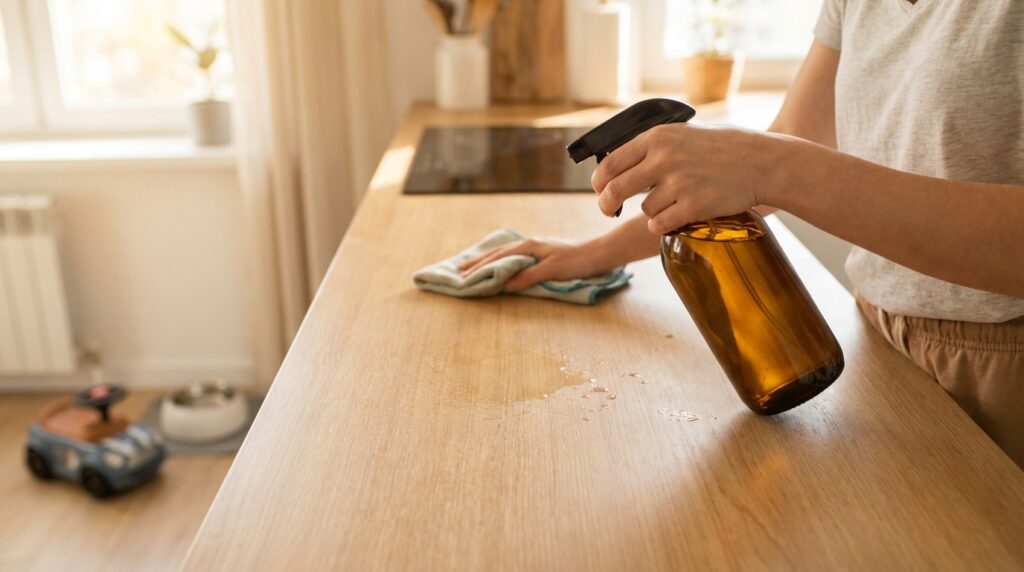
A lot of well-meaning safety efforts fall apart because of a few predictable slip-ups. Here’s what tends to go wrong.
Leaving products out “just for a minute.” This is the big one. You’re in the middle of cleaning, the phone rings, and you leave the spray bottle on the counter. Kids and pets are fast. If you need to step away, take the product with you or put it back immediately. It sounds annoying, but it becomes automatic after a week or two.
Assuming pets won’t be interested. Dogs and cats are curious about anything that smells different. Some cleaning products have sweet or fruity scents that attract animals. Even if your pet has never shown interest before, don’t assume they won’t investigate a new bottle. Treat pet-proofing with the same seriousness as childproofing.
Relying on “child-resistant” caps alone. Those caps slow kids down, but they’re not foolproof. A determined four-year-old can sometimes figure them out, and the caps don’t help at all with pets. Think of child-resistant packaging as a backup, not your main line of defense.
Storing products in food containers. Never put cleaning solutions in old juice bottles, soda bottles, or food jars. It’s confusing for everyone in the household, and it’s a genuine poisoning risk. If you need to transfer a product, use a clearly labeled spray bottle or container that looks nothing like food packaging.
Forgetting about the garage and outdoor areas. Pesticides, car cleaning products, and pool chemicals often live in garages or sheds where kids and pets also play. These areas need the same attention as indoor spaces—maybe more, since garage chemicals tend to be harsher.
Extra Tips for Homes with Pets
Pets present a slightly different challenge than kids. A toddler might open a cabinet; a cat might knock a bottle off a shelf. Here are a few pet-specific considerations.
Watch for Residue
Even if you store products safely, residue on floors or surfaces can be a problem. Pets walk on freshly mopped floors and then lick their paws. If you’re using anything strong, rinse the floor with plain water afterward or wait until it’s fully dry before letting pets back in the room.
Be Careful with Essential Oils
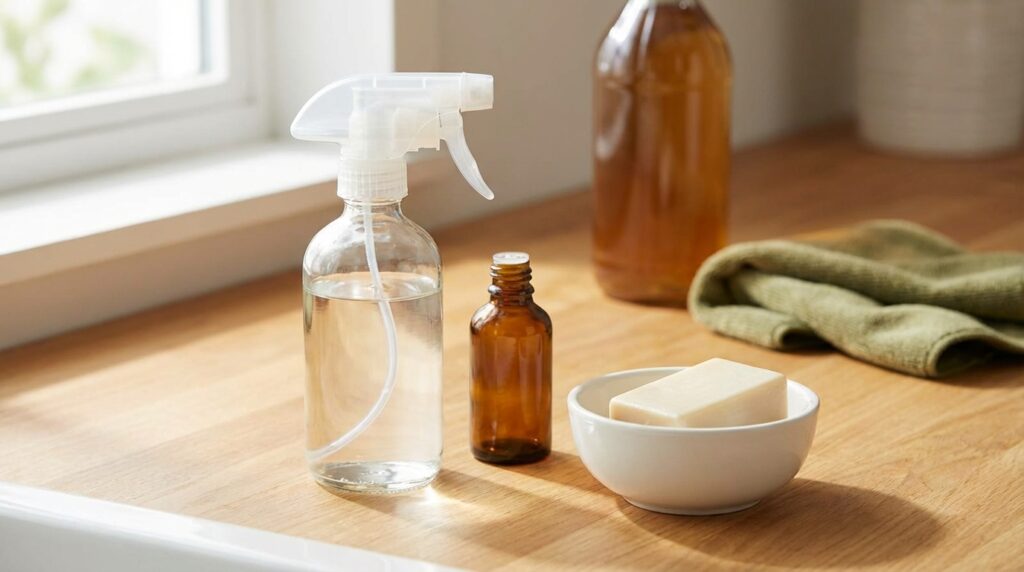
Some eco-friendly cleaners contain essential oils that smell lovely to humans but can be toxic to cats and dogs. Tea tree oil, for example, is a common culprit. If you’re making DIY cleaners or buying “natural” products, check whether the ingredients are pet-safe. When in doubt, stick to simple formulas like diluted vinegar or plain castile soap for areas your pets frequent.
Secure Trash Cans
Used cleaning wipes, empty bottles with residue, and soaked paper towels often end up in the trash—which is exactly where a curious dog will go digging. Use a trash can with a secure lid, or keep the bin inside a latched cabinet.
Frequently Asked Questions
What should I do if my child or pet gets into cleaning supplies?
Stay calm and act quickly. For children, call poison control immediately—in the US, that’s 1-800-222-1222. Have the product container handy so you can describe what they were exposed to. For pets, contact your vet or an animal poison hotline. Don’t induce vomiting unless a professional tells you to, as some products cause more damage coming back up.
Are eco-friendly cleaners safer around kids and pets?
They’re often less toxic, but “eco-friendly” doesn’t mean “harmless.” Many green cleaners still contain ingredients that can cause stomach upset, skin irritation, or worse if ingested in large amounts. Store them with the same care as conventional products.
At what age can I relax about childproofing cleaning supplies?
There’s no magic number, but most safety experts suggest maintaining strict precautions until at least age six, and continuing to store hazardous products out of reach well beyond that. Even older kids can make mistakes, especially if they’re in a hurry or not paying attention.
Can I use a baby gate to block off a cleaning storage area?
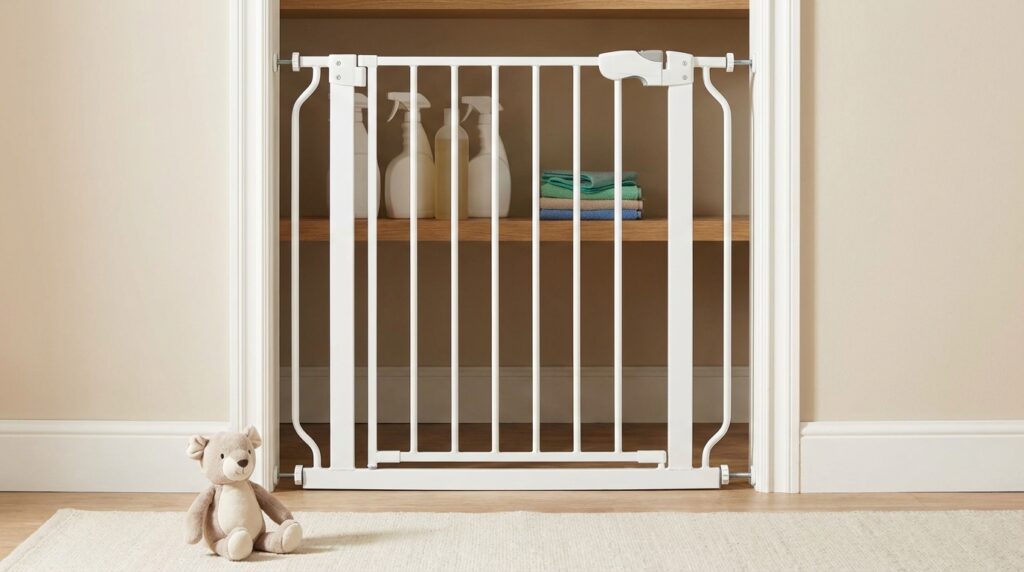
Yes, this works well for both toddlers and some pets. A pressure-mounted gate across a laundry room or utility closet doorway adds an extra layer of protection. Just make sure the gate is tall enough that your pet can’t jump over it.
Summary and Next Step
Keeping cleaning supplies away from kids and pets comes down to three things: consolidating your products in one secure spot, using physical barriers like latches or locks, and building the habit of putting things away immediately. It doesn’t require a complete home renovation—just a bit of intentional setup and some consistency.
Your next step? Do a quick walk-through of your home today and identify the one area where cleaning products are most accessible. Tackle that spot first, even if it’s just adding a simple latch or moving bottles to a higher shelf. Once that’s handled, you can work through the rest of the house at your own pace. Small changes add up to real peace of mind.