
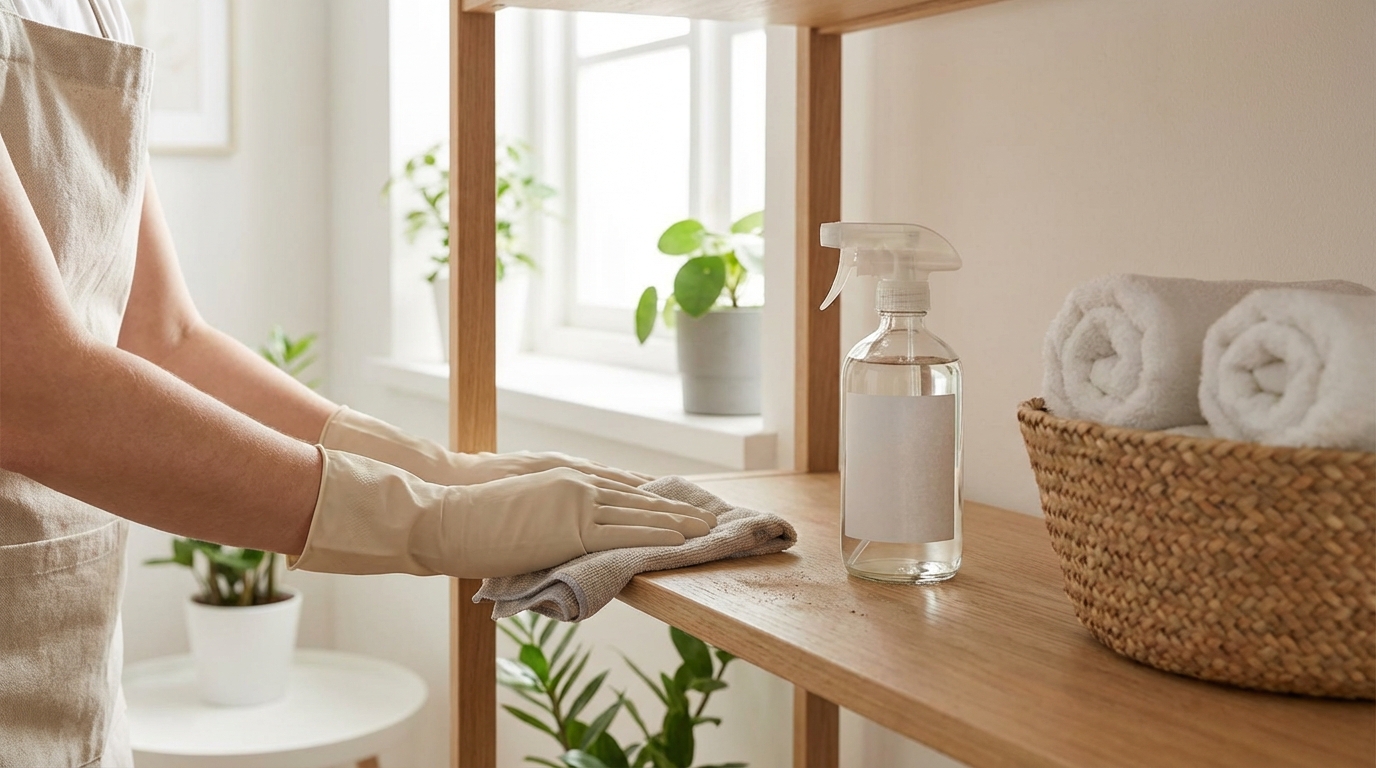
The Honest Answer: Less Often Than You Think
That creeping guilt when you notice dust bunnies under the couch? Most people assume they need to deep clean your home every week or two to keep things sanitary. The reality is far more forgiving—and far more practical. For most households, a genuine deep clean every 3to 6 months does the job, with lighter maintenance in between. The trick isn’t cleaning more; it’s cleaning smarter.
This guide breaks down what actually needs intensive attention, what can wait, and how to stop wasting weekends scrubbing things that don’t matter.
What Counts as Deep Cleaning (And What Doesn’t)
First, some clarity. Deep cleaning isn’t your regular vacuuming and countertop wipe-down. That’s maintenance cleaning—the 15-minute daily stuff. Deep cleaning means tackling the hidden, often-ignored spots: behind appliances, inside theoven, grout lines, ceiling fan blades, and the mysterious gunk behind the toilet.
Deep cleaning typically includes:
- Pulling out appliances to clean underneath and behind
- Scrubbing tile grout, baseboards, and door frames
- Washing light fixtures, ceiling fans, and vent covers
- Cleaning inside the oven, refrigerator, and dishwasher
- Washing curtains, throw pillow covers, and upholstery
- Descaling faucets and showerheads
- Washing windows inside and out
The confusion happens when people lump everything together. Wiping your bathroom mirror daily? Maintenance. Scrubbing the soap scum buildup inside the shower track? That’s deep cleaning territory.
Myth vs. Reality
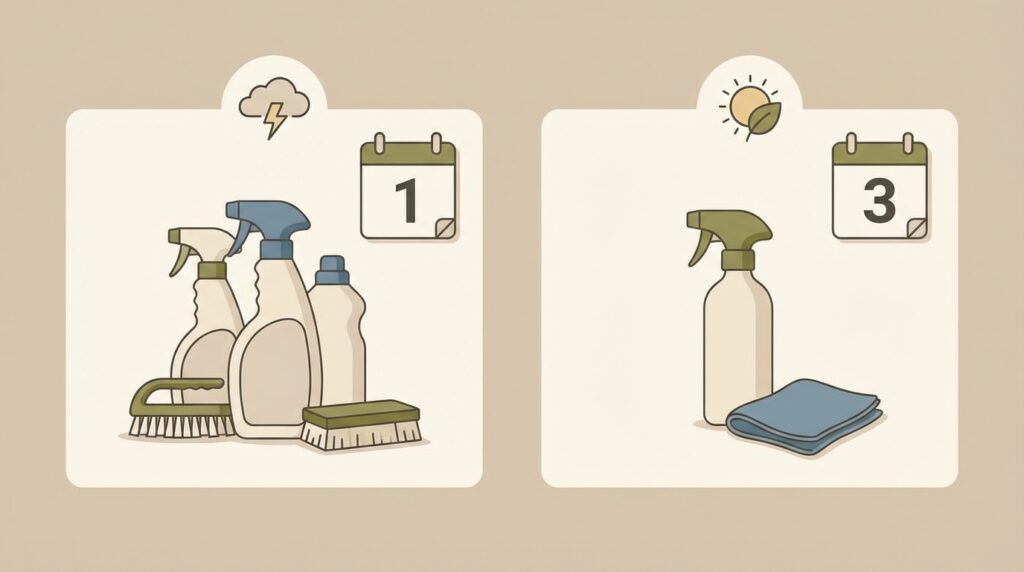
Myth: Homes need to be deep cleaned monthly to stay hygienic.
Reality: Unless someone in the household has severe allergies, a compromised immune system, or you’ve had a pest issue, quarterly thorough cleaning is sufficient for most families. Over-cleaning with harsh chemicals can actually introduce more irritants than it removes.
Myth: Visible cleanliness equals deep cleanliness.
Reality: A sparkling countertop means nothing if your vacuum filter hasn’t been cleaned in eight months. Dust and allergens accumulate in hidden zones—inside HVAC vents, behind furniture, in mattress fibers. Those need attention even when everything looks fine.
Room-by-Room Deep Cleaning Frequency
Not every room needs the same schedule. High-traffic, moisture-prone areas demand more attention than a guest bedroom nobody uses.
| Room/Area | Recommended Deep Clean Frequency | Why |
|---|---|---|
| Kitchen | Every 1–2 months | Grease buildup, food residue, and bacteria thrive here |
| Bathrooms | Every 1–2 months | Moisture creates mold and mildew quickly |
| Living areas | Every 3–4 months | Dust and petdander accumulate slower without moisture |
| Bedrooms | Every 3–6 months | Mattress, pillows, and soft furnishings trap allergens |
| Laundry room | Every 2–3 months | Lint buildup poses fire risk; mildew grows in washers |
| Garage/Storage | 1–2 times per year | Seasonal decluttering and pest prevention |
Smart Tip: Rather than deep cleaning the entire house in one exhausting marathon, rotate one room per month. Kitchen in January, bathrooms in February, and so on. Less burnout, same result.
Signs You Actually Need to Deep Clean Now
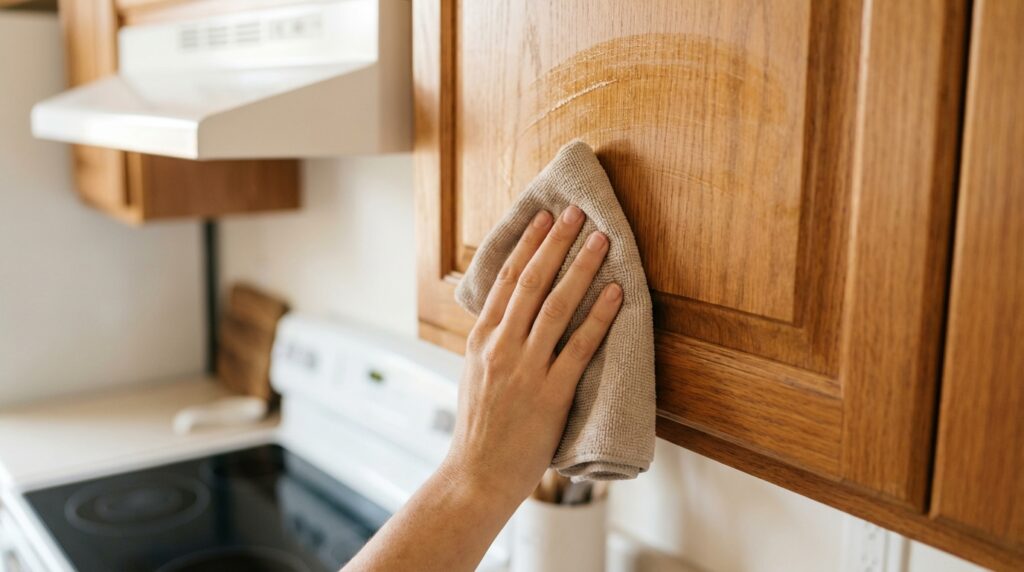
Schedules are guidelines, not law. Sometimes the house sends signals that it’s time—regardless of when you last cleaned.
Pay attention when you notice:
- Lingering odors that sprays can’t mask (often trapped in carpets or drains)
- Visible dust collecting faster than usual on surfaces
- Allergies flaring up indoors more than outdoors
- Grease film on kitchen cabinets above the stove
- Water stains or discoloration around faucets and drains
- Showerheads spraying unevenly (mineral buildup inside)
These symptoms point to specific problems. Lingering smells usually mean something organic—food, mildew, or pet accidents—is festering somewhere hidden. Dust acceleration often means clogged HVAC filters or dirty vents circulating particles faster than you can wipe them away.
Counter-Intuitive Insight
Cleaning more frequently with aggressive products can backfire. Harsh chemicals strip protective coatings from surfaces, making them porous and harder to keep clean over time. A wooden cutting board scrubbed with bleach weekly will absorb more bacteria than one simply washed with dish soap and dried properly. Gentler, less frequent deep cleaning with eco-friendly solutions often preserves surfaces and reduces long-term work.
The Eco-Friendly Approach to Deep Cleaning
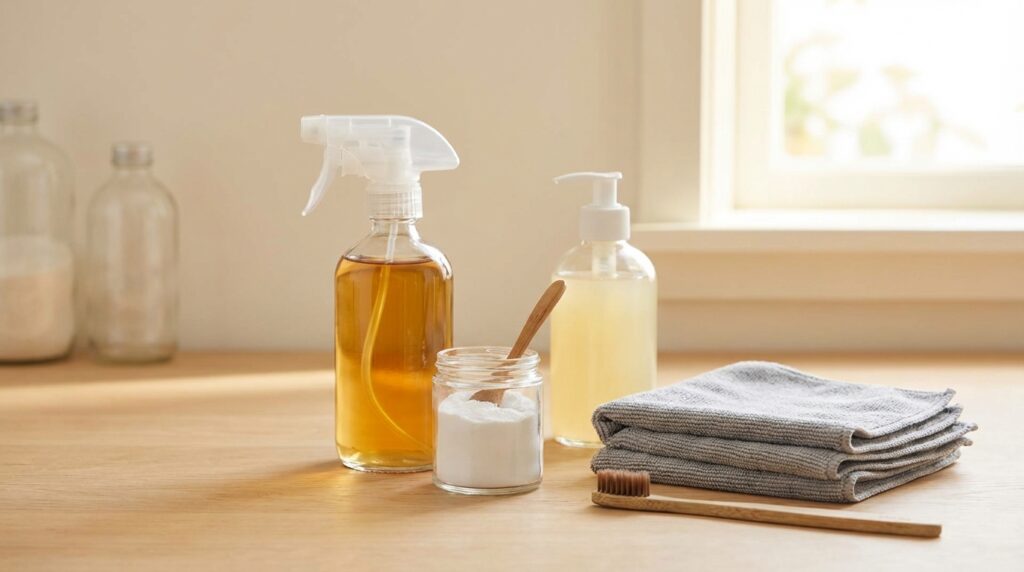
Green cleaning fits naturally with a “less but better” strategy. Most intensive cleaning tasks don’t require specialty products—just a few reliable staples and some patience.
What you need for most deep cleaning jobs:
- White distilled vinegar (descaling, deodorizing, cutting grease)
- Baking soda (gentle abrasive, odor absorption)
- Castile soap or pH-neutral dish soap
- Microfiber cloths (traps dust without spreading it)
- Old toothbrush (grout, faucet crevices, small corners)
- Spray bottle for DIY solutions
A50/50 vinegar-water solution handles window cleaning, faucet descaling, and light grease. Baking soda paste tacklesoven grime and grout stains. Neither requires rinsing with special neutralizers or leaves behind chemical residues that irritate respiratory systems.
Caution: Never mix vinegar with bleach or hydrogen peroxide—the reaction produces toxic fumes. If you’ve used a bleach-based product, rinse the area thoroughly and wait before switching to vinegar.
How Lifestyle Affects Your Schedule
Generic advice only goes so far. The right frequency depends on who actually lives in the home.
You may need more frequent deep cleaning if:
- You have pets (dander, fur, and tracked-in dirt multiply)
- Someone smokes indoors (residue coats everything, including inside vents)
- A household member has asthma or dust allergies
- You cook frequently with oil-based methods (frying, sautéing)
- Kids under five live there (sticky hands find every surface)
You can likely extend intervals if:
- It’s a low-occupancy household (one or two adults)
- Shoes stay at the door
- Floors are hard surfaces rather than carpet
- HVAC filters get changed monthly
- Maintenance cleaning happens consistently
A single professional with no pets who works remotely might genuinely only need two intensive cleaning sessions per year. A family with dogs and toddlers? Monthly bathroom deep cleans and quarterly whole-house sessions are reasonable.
Quick-Fix Deep Cleaning Checklist
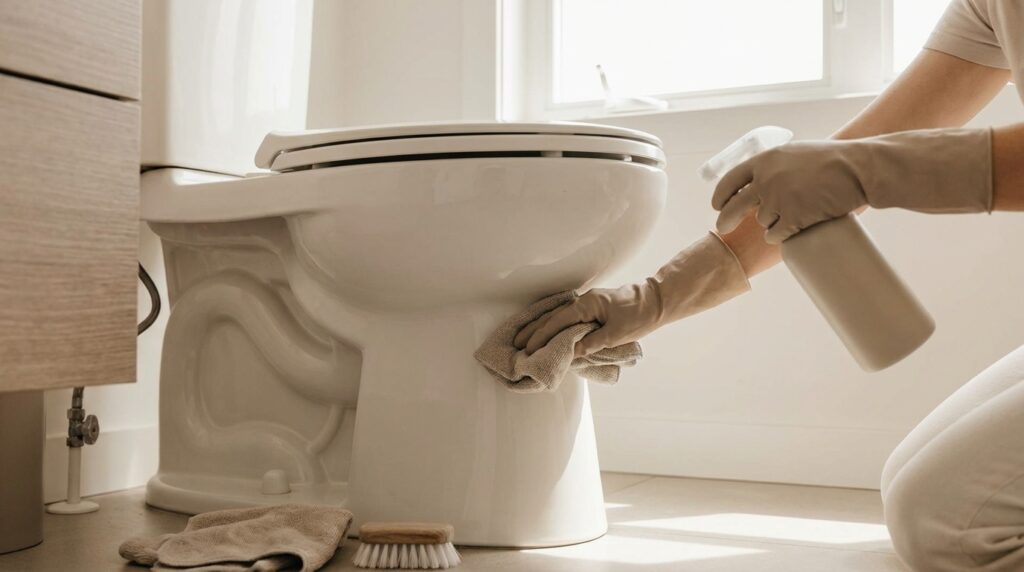
When time runs short but the house needs help, prioritize high-impact zones:
- Kitchen sink and drain: Pour baking soda down the drain, follow with vinegar, let fizz for 10 minutes, flush with boiling water.
- Microwave interior: Microwave a bowl of water with lemon slices for 3 minutes. Wipe out loosened grime with a cloth.
- Toilet base and behind: The spot everyone forgets. Spray, scrub, done.
- Refrigerator shelves: Remove, wash with soapy water, dry before replacing.
- Light switches and door handles: These get touched constantly but cleaned rarely. Adamp microfiber cloth with a drop of dish soap works.
- Ceiling fan blades: Slip an old pillowcase over each blade and pull—dust stays inside the case, not on your floor.
This30-minute blitz won’t replace a full deep clean, but it knocks out the dirtiest culprits fast.
FAQ
How long should a full deep clean take?
For an average three-bedroom home, expect 4–8 hours depending on condition. Breaking it into room-by-room sessions over a weekend makes it manageable.
Is hiring a professional worth it?
For semi-annual deep cleans, it can be—especially for tasks like carpet shampooing or exterior window washing. Compare quotes and check if they use eco-friendly products if that matters to you.
Does deep cleaning really help allergies?
Yes, when focused on dust reservoirs: mattresses, upholstered furniture, curtains, HVAC vents, and carpets. Surface cleaning alone has minimal impact on airborne allergens.
The Bottom Line
Deep cleaning isn’t about perfection or proving something. It’s maintenance for the stuff regular cleaning misses—done on a schedule that fits real life, not an imaginary one. For most homes, quarterly intensive sessions paired with consistent light cleaning keeps things healthy without the burnout.
Start small: pick one area this weekend, tackle the hidden grime, and reset from there. The dust will wait.