
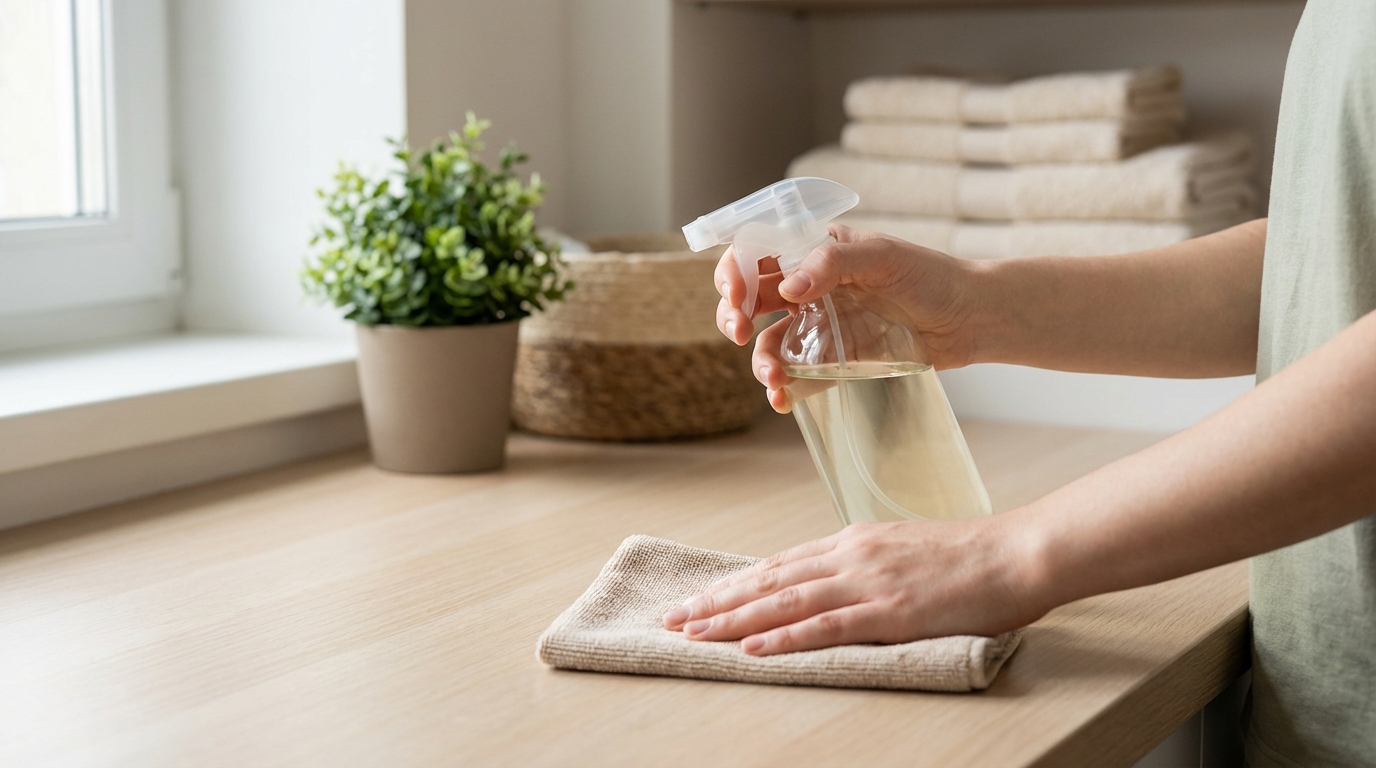
You’ve probably noticed that the cleaning aisle at the store is packed with products promising to disinfect, deodorize, and degrease every surface in your home. But flip those bottles around, and the ingredient lists read like a chemistry exam. If you’ve ever wondered whether there’s a simpler, gentler way to keep your space clean, eco-friendly cleaning at home might be exactly what you’re looking for. It’s less complicated than it sounds, and you don’t need to overhaul your entire routine overnight.
This guide walks you through the basics: what supplies to gather, how to make simple swaps, and which common mistakes trip up most beginners. By the end, you’ll have a practical starting point that’s kinder to your home, your wallet, and the environment.
Quick Routine for Eco-Friendly Cleaning
- Start with three basics: white vinegar, baking soda, and a reusable spray bottle.
- Swap paper towels for microfiber cloths or old cotton rags.
- Use vinegar-water solution (1:1 ratio) for most hard surfaces.
- Sprinkle baking soda for scrubbing sinks, tubs, and stubborn spots.
- Tackle one room at a time instead of switching products constantly.
What You’ll Need
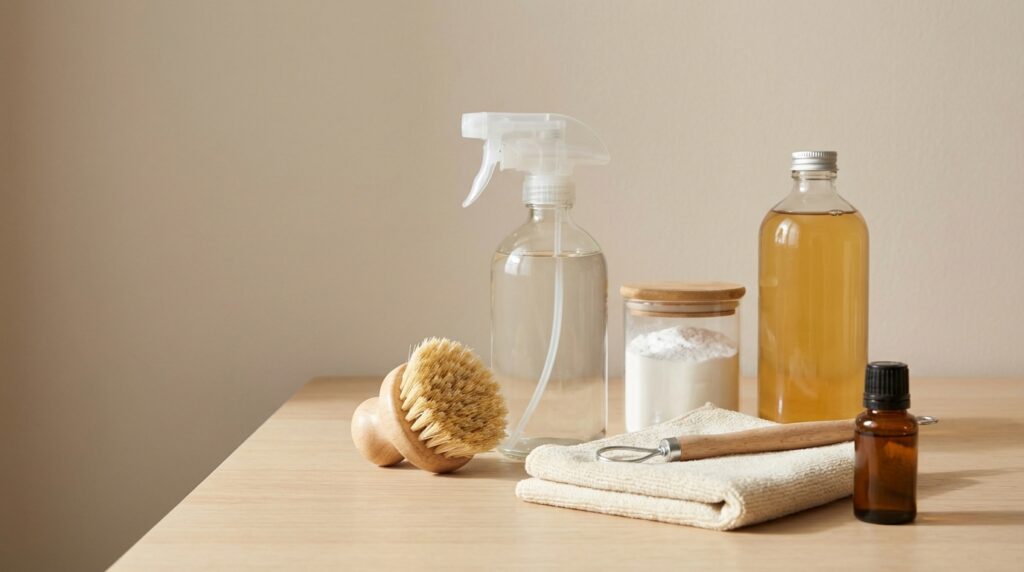
One of the best things about green cleaning is that you probably already own half the supplies. No need to order specialty items or hunt down obscure ingredients. Here’s a simple starter kit:
- White distilled vinegar (the cheap stuff works perfectly)
- Baking soda
- Castile soap (liquid, unscented or lightly scented)
- Spray bottles (glass or sturdy plastic you can reuse)
- Microfiber cloths or old t-shirts cut into rags
- A scrub brush with natural bristles
- Essential oils (optional, for scent—lemon and tea tree are popular)
If you’re on a tight budget, skip the essential oils for now. They’re nice to have but not essential for actual cleaning power. Vinegar and baking soda do the heavy lifting.
A Note on Containers
Reusing old spray bottles from finished cleaning products is fine, but rinse them thoroughly first. If you’re mixing vinegar-based solutions, glass bottles are ideal since vinegar can degrade some plastics over time. That said, a sturdy plastic bottle will last months before showing wear, so don’t stress if glass isn’t available.
How to Start Your Eco-Friendly Cleaning Routine
Step 1: Pick one area of your home to test your new approach. The kitchen is a great starting point because it sees daily messes and you’ll notice results quickly. Trying to overhaul every room at once usually leads to frustration and half-finished projects.
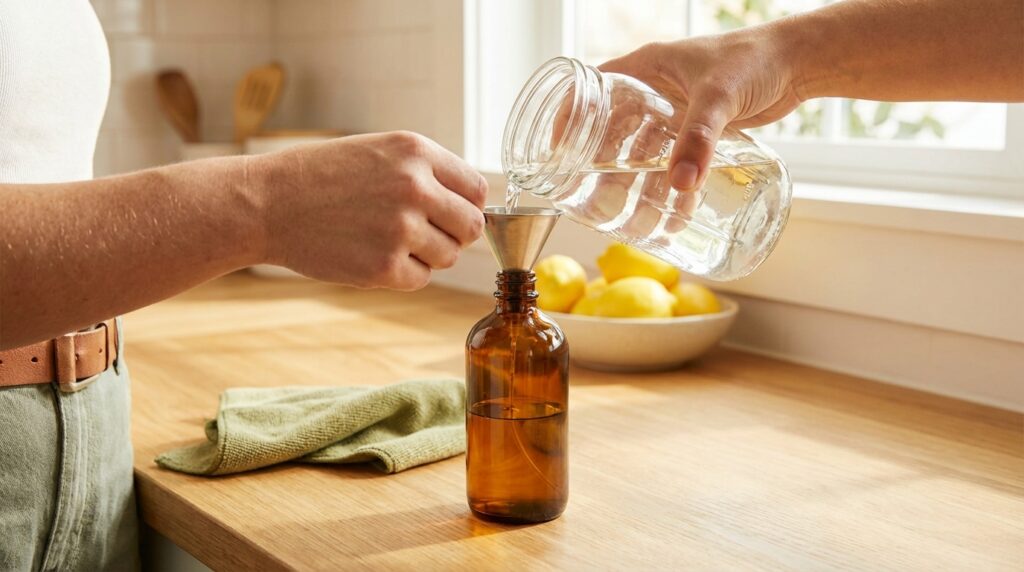
Step 2: Make your all-purpose cleaner. Fill a spray bottle halfway with white vinegar, then top it off with water. That’s it. This solution handles countertops, stovetops, cabinet fronts, and most hard surfaces. If the vinegar smell bothers you, add 10-15 drops of lemon or lavender essential oil. The scent fades as it dries, and so does the vinegar smell.
Step 3: For greasy messes or stuck-on food, sprinkle baking soda directly on the surface, spray your vinegar solution over it, and let it fizz for a minute. The bubbling action loosens grime without harsh scrubbing. Wipe with a damp cloth and you’re done.
Step 4: Move to the bathroom once you’re comfortable. The same vinegar-water mix works on mirrors, counters, and the outside of the toilet. For the toilet bowl itself, pour in half a cup of baking soda, let it sit for ten minutes, then scrub with a toilet brush. Add a splash of vinegar if you want extra fizzing action.
Step 5: Gradually phase out conventional products as they run out. There’s no need to throw away half-full bottles—that creates waste too. Use what you have, then replace with greener options or homemade versions.
Shortcut If You’re Short on Time
- Pre-mix a large batch of all-purpose cleaner so it’s always ready.
- Keep a spray bottle and cloth under each bathroom sink to encourage quick wipe-downs.
- Spot-clean daily instead of deep-cleaning weekly—it takes less time overall.
- Use baking soda as a deodorizer in the fridge and trash can to reduce how often you need to scrub.
Common Mistakes Beginners Make
Switching to eco-friendly cleaning sounds straightforward, but a few missteps can make the process feel harder than it needs to be. Here’s what trips people up most often:
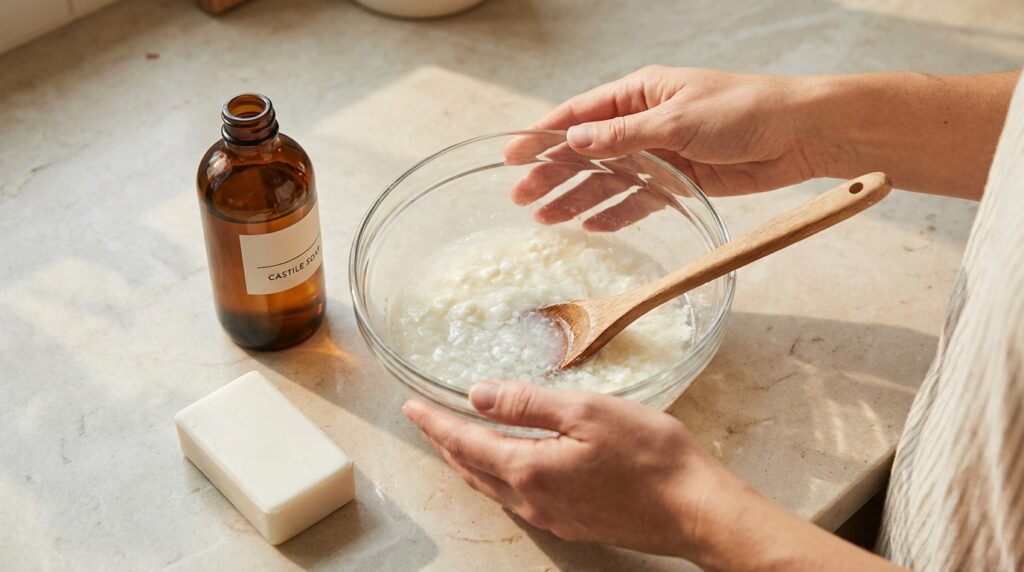
- Using vinegar on stone surfaces. Marble, granite, and natural stone can etch or dull when exposed to acidic cleaners. Stick to plain water and a soft cloth, or use a pH-neutral castile soap solution instead.
- Mixing vinegar and castile soap together. This creates a curdled, oily mess because the acid in vinegar reacts with the soap. Use them separately—vinegar for rinsing, castile soap for washing.
- Expecting instant results on old buildup. If your shower has months of soap scum, one pass with a gentle cleaner won’t erase it. You might need a few rounds of baking soda paste and some elbow grease before maintenance mode kicks in.
- Overcomplicating recipes. Some DIY cleaning blogs list ten ingredients for a single spray. In practice, two or three ingredients handle most jobs. Keep it simple.
If you’re running late and the kitchen counter has mysterious sticky spots, a quick spray of vinegar-water and a wipe is enough. Perfection isn’t the goal—consistent, low-effort habits are.
Where Eco-Friendly Cleaning Works Best (and Where It Doesn’t)
Green cleaning handles everyday dirt, dust, grease, and mild odors beautifully. For most households, that covers about 90% of cleaning tasks. Kitchens, bathrooms, floors, windows, and general tidying all respond well to simple homemade solutions.
However, there are situations where you might need something stronger. If someone in your home is sick with a contagious illness, a disinfectant may be appropriate for high-touch surfaces like doorknobs and light switches. Vinegar is not a registered disinfectant, so it won’t kill all pathogens. In those cases, look for plant-based disinfectants or hydrogen peroxide solutions, and use them only where needed rather than everywhere.
Mold is another exception. Small patches of surface mold on tile grout can sometimes be handled with a baking soda paste or diluted hydrogen peroxide. But if you’re dealing with large areas, black mold, or mold behind walls, that’s a job for professionals. No DIY cleaner—green or otherwise—should be your first response to a serious mold problem.
Frequently Asked Questions
Does vinegar actually clean, or does it just smell clean?
Vinegar is mildly acidic, which helps dissolve mineral deposits, cut through grease, and break down some bacteria. It’s genuinely effective for everyday cleaning, though it’s not a heavy-duty disinfectant. For routine messes, it works well.
Will my house smell like a salad?
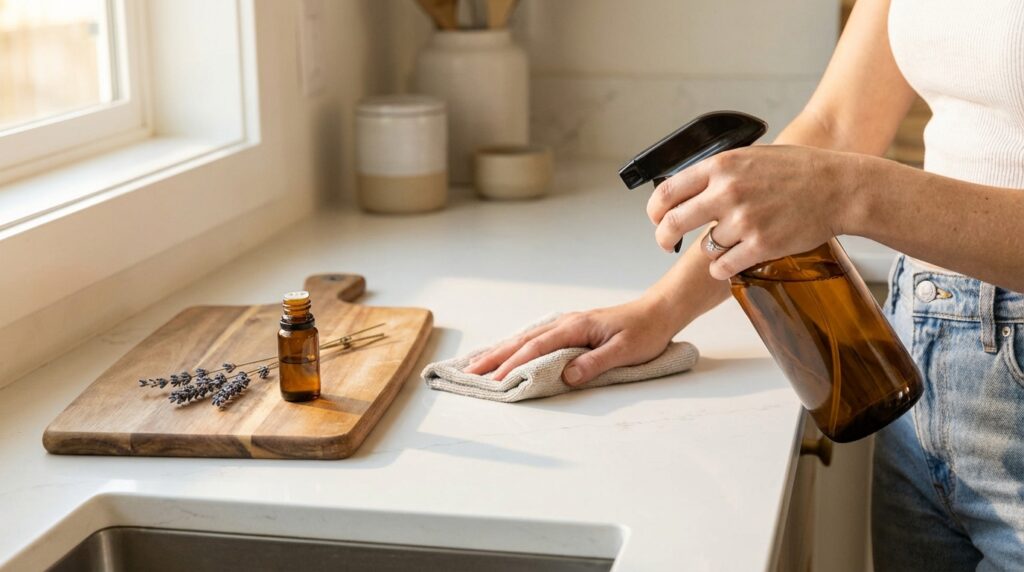
The vinegar scent disappears as surfaces dry, usually within 15-20 minutes. Adding a few drops of essential oil helps mask it while you’re cleaning. Most people stop noticing the smell after a week or two of regular use.
Is eco-friendly cleaning actually cheaper?
In most cases, yes. A large jug of white vinegar costs a fraction of what you’d spend on multiple specialty sprays. Baking soda is similarly inexpensive. The upfront cost of reusable cloths pays off within a few months compared to buying paper towels.
Can I use these methods if I have pets or kids?
Generally, vinegar and baking soda are safer around children and animals than many conventional cleaners. That said, keep essential oils away from pets—some oils are toxic to cats and dogs. When in doubt, skip the scent or check with your vet.
Summary and Next Step
Eco-friendly cleaning at home doesn’t require a complete lifestyle change or an expensive shopping spree. Start with vinegar, baking soda, and a few reusable cloths. Pick one room, test your all-purpose spray, and build from there. The goal isn’t perfection—it’s a routine that feels manageable and aligns with how you actually live.
Your next step? Grab a spray bottle this week and mix up that simple vinegar-water solution. Use it on your kitchen counter for a few days and see how it feels. Small experiments lead to lasting habits, and that’s where real change happens.