
You’ve just washed your hair, it looks great, and then—five minutes later—it’s a tangled mess again. Sound familiar? Tangle-prone hair can turn a simple morning routine into a frustrating battle with knots, especially if you’re working with fine strands, wavy texture, or hair that’s seen better days from heat styling. The right leave-in conditioner for tangle-prone hair can genuinely change your daily experience, making detangling easier and keeping those knots from forming in the first place.
In this guide, you’ll learn what to look for in a leave-in conditioner that actually tackles tangles, which formulas work best for different hair types, and common mistakes that might be making your knot situation worse. No magic potions here—just practical options that fit real budgets and real routines.
Quick Verdict: Best Leave-In Conditioners by Hair Type
- Best for fine, tangle-prone hair: A lightweight, water-based spray formula that won’t weigh strands down
- Best for thick or coarse tangles: A richer cream or lotion with slip-enhancing ingredients like aloe or glycerin
- Best for wavy or curly hair: A moisturizing leave-in with curl-defining properties and frizz control
- Best budget pick: A simple detangling spray with minimal ingredients—often just as effective as pricier options
- Best for damaged, brittle hair: A protein-based leave-in that strengthens while detangling
What Actually Makes Hair Tangle?
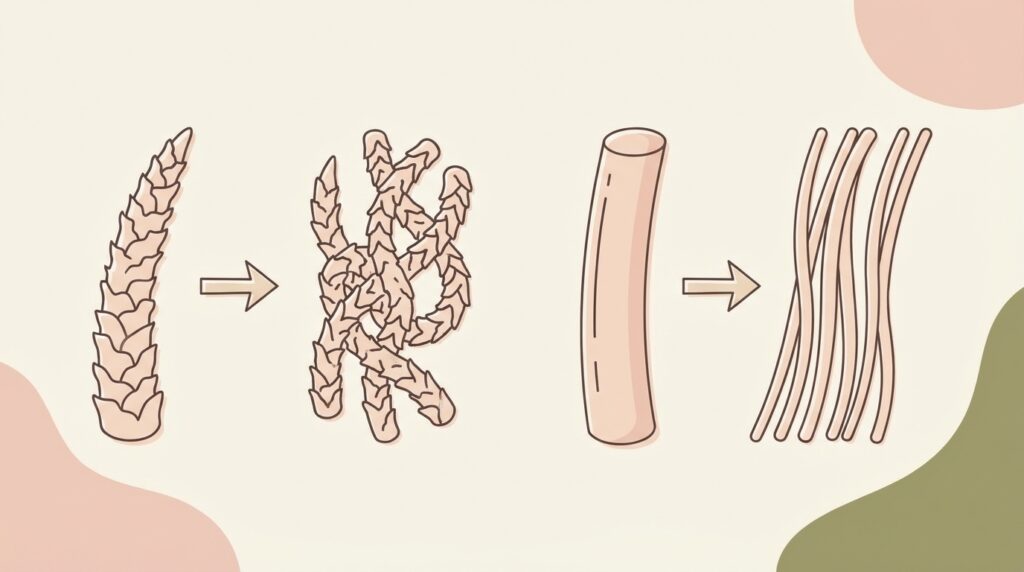
Before picking a product, it helps to understand why your hair turns into a bird’s nest. Tangles happen when the outer layer of your hair strand (the cuticle) gets roughed up. When cuticles are raised or damaged, strands catch on each other instead of sliding past smoothly. This is why dry hair, bleached hair, and heat-damaged hair tend to tangle more than healthy hair.
Fine hair tangles easily because the strands are thinner and more prone to wrapping around each other. Wavy and curly hair tangles because the texture creates more friction points. And if you sleep with your hair down or live somewhere windy, well—you’re basically inviting knots to move in permanently.
A good leave-in conditioner works by smoothing down those cuticles and adding “slip”—that slippery feeling that lets a comb glide through. Some formulas also add a light coating that prevents new tangles from forming throughout the day.
Key Ingredients to Look For
Not all leave-in conditioners are created equal when it comes to detangling. Here’s what actually helps:
- Silicones (like dimethicone or cyclomethicone): These create slip and smooth the cuticle. They get a bad reputation, but for tangle-prone hair, they’re genuinely useful. Just clarify occasionally if you notice buildup.
- Aloe vera: Lightweight moisture that adds slip without heaviness—great for fine hair.
- Glycerin: A humectant that draws moisture into the strand, keeping hair flexible and less prone to snapping.
- Hydrolyzed proteins (keratin, silk, wheat): These temporarily patch damaged areas on the hair shaft, reducing friction between strands.
- Natural oils (argan, jojoba): Best for thicker hair types; can weigh down fine strands if used heavily.
What to Avoid If You Have Fine Hair
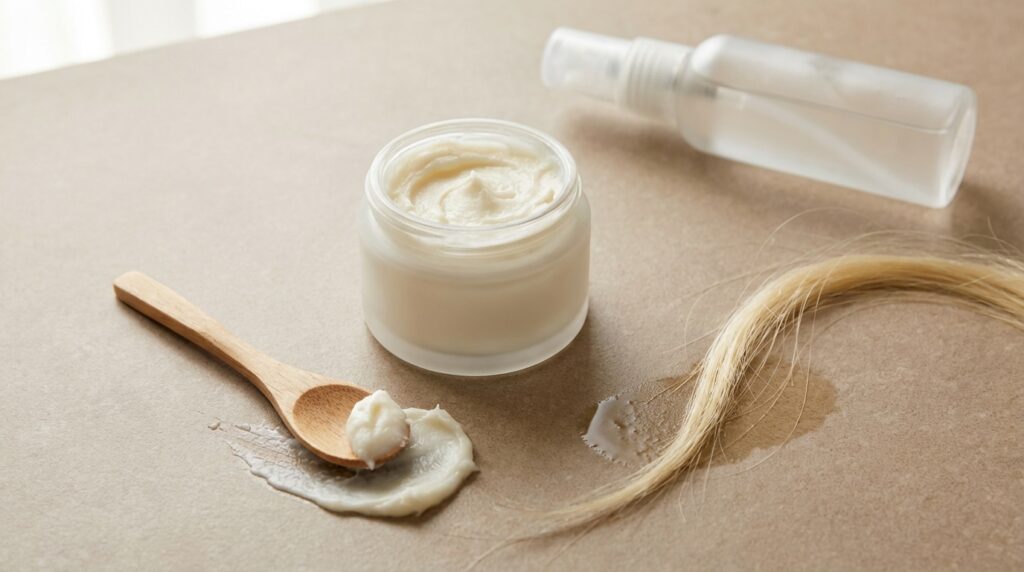
Heavy butters like shea or cocoa butter sound luxurious, but they can flatten fine hair and make it look greasy by noon. Same goes for thick cream formulas. If your hair is fine and tangle-prone, stick to sprays or very lightweight lotions. Based on user feedback, many people with fine hair find that even “lite” versions of popular leave-ins can still feel too heavy—so when in doubt, go lighter than you think you need.
Options by Hair Type
Option: Lightweight Detangling Spray (Best for Fine Hair)
If your hair is fine but tangles constantly, a water-based detangling spray is your friend. These formulas are thin enough to mist through hair without leaving residue, and they provide just enough slip to get a brush through without tears.
- Pros: Won’t weigh hair down, quick to apply, works on damp or dry hair, usually affordable
- Cons: May not provide enough moisture for very dry hair, effects don’t last as long as cream formulas
Look for sprays that list water as the first ingredient and avoid anything with heavy oils near the top of the ingredient list. A common mistake is spraying too much—start with 3-4 spritzes on damp hair and add more only if needed.
Option: Cream or Lotion Leave-In (Best for Thick or Coarse Hair)
Thicker hair can handle—and often needs—more moisture. A cream-based leave-in conditioner provides longer-lasting slip and helps keep tangles at bay between washes. These work especially well if your hair is coarse, dry, or chemically treated.
- Pros: Intense moisture, smooths frizz, effects last longer, often doubles as a styling product
- Cons: Can feel heavy on fine hair, may cause buildup if overused, takes longer to distribute evenly
If you’re running late, warm a small amount between your palms and scrunch it through the mid-lengths and ends only. Avoid the roots unless you want that “I haven’t washed my hair in a week” look.
Option: Curl-Defining Leave-In (Best for Wavy or Curly Hair)
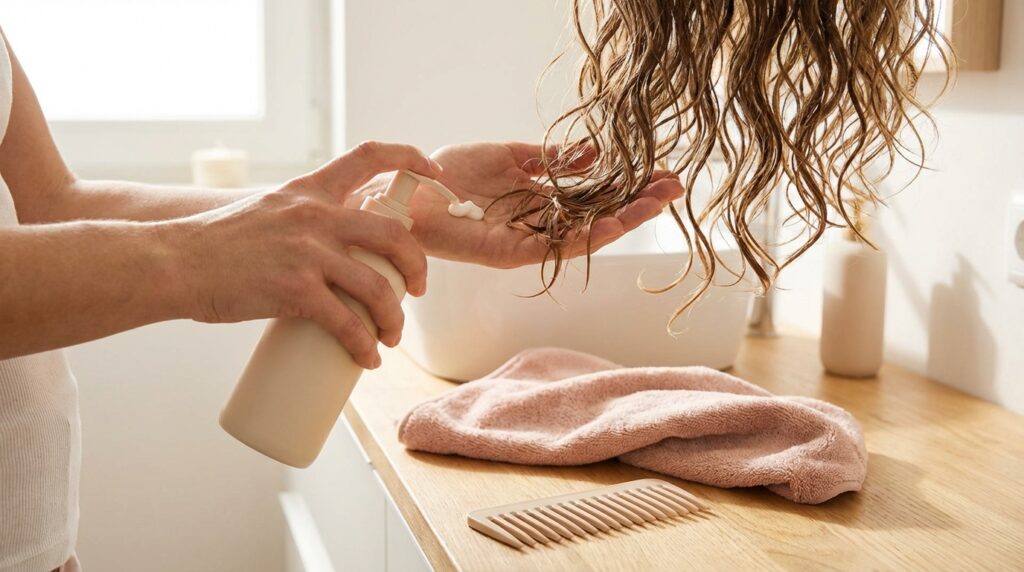
Wavy and curly hair has unique needs—it tangles easily but also needs moisture to maintain definition without frizz. A leave-in designed for textured hair will typically include humectants and light hold agents that keep curls clumped together (which actually reduces tangling).
- Pros: Addresses multiple concerns at once, enhances natural texture, reduces frizz-related tangles
- Cons: May not work well on straight hair, some formulas can feel crunchy if over-applied
Recent reviews suggest that lightweight formulas with aloe vera or fruit extracts work well for wavy hair without weighing down the pattern. If your waves tend to fall flat, avoid anything marketed as “intensely moisturizing.”
Option: Protein-Based Leave-In (Best for Damaged Hair)
If your hair tangles because it’s damaged—from bleaching, heat styling, or just years of wear—a protein-based leave-in can help. These formulas contain hydrolyzed proteins that temporarily fill in gaps in the hair cuticle, making strands smoother and stronger.
- Pros: Strengthens weak hair, reduces breakage during detangling, improves overall hair health over time
- Cons: Overuse can make hair stiff or brittle (protein overload is real), not ideal for already-healthy hair
Use protein-based leave-ins 2-3 times per week rather than daily. If your hair starts feeling straw-like, switch to a moisture-focused formula for a while.
Who This Is For (and Who It’s Not)
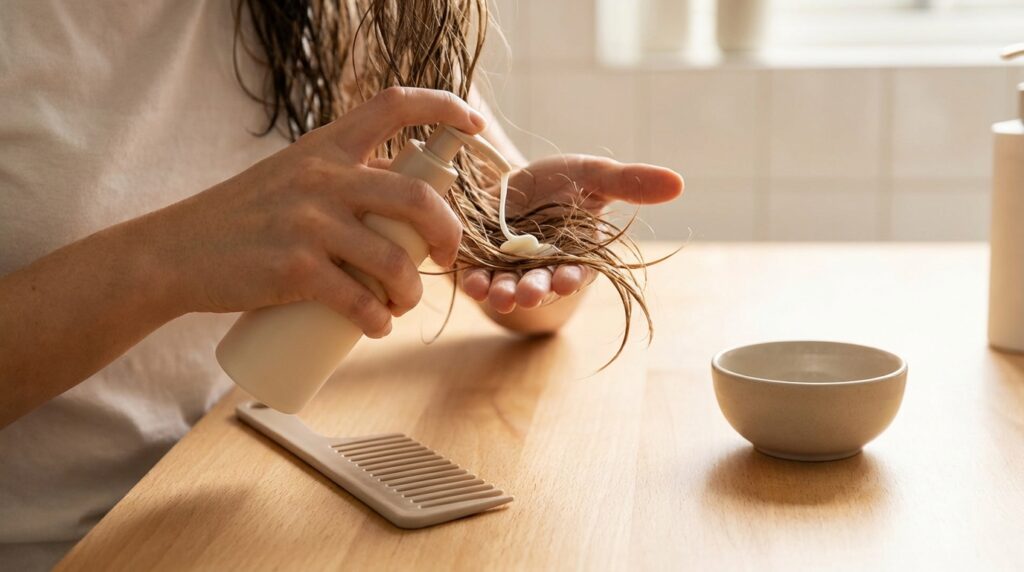
Leave-in conditioners for tangle-prone hair are ideal if you:
- Dread brushing your hair because it always hurts
- Notice tangles forming within hours of washing
- Have fine hair that knots at the slightest breeze
- Deal with post-shower tangles that take forever to work through
- Have kids who scream during hair brushing (a lightweight detangling spray can be a lifesaver)
You might not need a dedicated detangling leave-in if your hair is naturally smooth and rarely tangles, or if you already use a rich conditioner in the shower that provides enough slip. Some people also find that simply switching to a satin pillowcase reduces tangles enough that they don’t need extra products.
Common Mistakes That Make Tangles Worse
- Applying leave-in to soaking wet hair: The product gets diluted and doesn’t coat strands properly. Towel-dry first until hair is damp, not dripping.
- Using too much product: More isn’t better. Excess leave-in causes buildup, which actually creates more friction and tangles over time.
- Brushing from the top down: Always start detangling from the ends and work your way up. Starting at the roots just pushes tangles down into bigger knots.
- Skipping the mid-lengths: Most people focus on ends, but tangles often form in the mid-section where hair rubs against shoulders and clothing.
- Never clarifying: Even the best leave-in will cause buildup eventually. Use a clarifying shampoo once every 1-2 weeks to reset.
Frequently Asked Questions
Can I use leave-in conditioner every day?
Yes, most lightweight formulas are designed for daily use. However, if you notice your hair feeling heavy, limp, or greasy, scale back to every other day or use less product per application.
Should I apply leave-in conditioner to wet or dry hair?
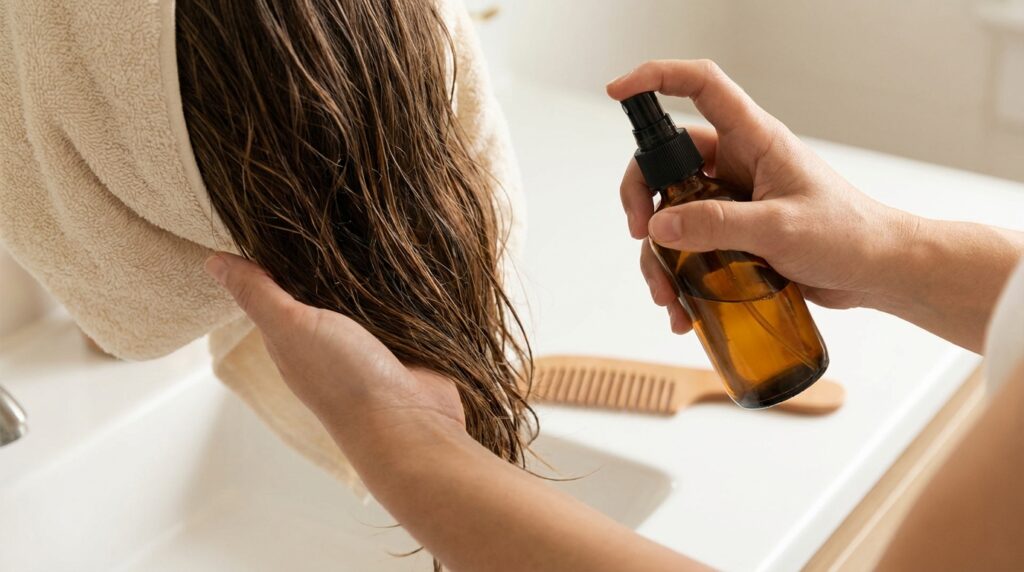
Damp hair is usually best—it’s absorbent enough to take in the product but not so wet that everything gets diluted. That said, many detangling sprays work fine on dry hair for mid-day touch-ups.
Will leave-in conditioner make my hair greasy?
It can, if you choose the wrong formula for your hair type or use too much. Fine hair should stick to sprays and avoid the root area. If greasiness is a concern, look for products labeled “weightless” or “for fine hair.”
Is leave-in conditioner the same as detangling spray?
There’s overlap, but not all leave-ins are focused on detangling, and not all detangling sprays provide much conditioning. For tangle-prone hair, look for products that specifically mention detangling benefits.
Summary and Next Step
Finding the best leave-in conditioner for tangle-prone hair comes down to matching the formula weight to your hair type. Fine hair does best with lightweight sprays, thick hair can handle creams, and damaged hair benefits from protein-based options. Whichever you choose, apply to damp hair, focus on mid-lengths and ends, and don’t overdo it.
If you’re not sure where to start, grab an affordable detangling spray and see how your hair responds. You can always upgrade to something richer if you need more moisture—but starting light prevents that heavy, greasy feeling that sends so many leave-ins straight to the back of the cabinet.