
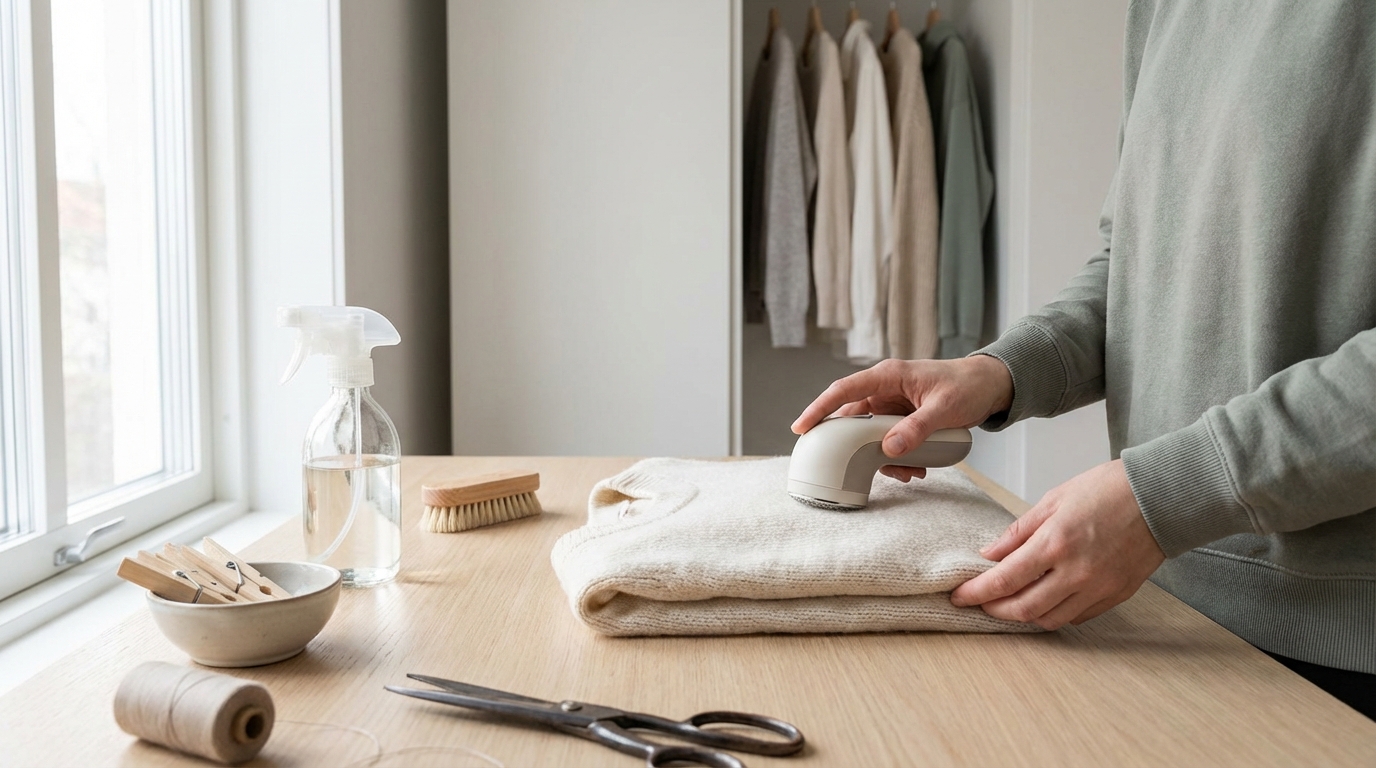
That moment when you’re staring at a full closet but feel like you have nothing to wear? Usually, the problem isn’t the clothes themselves—it’s that they’ve lost their “fresh” factor. Faded colors, pilling, stretched necklines, and general dullness can make perfectly good pieces feel ready for donation. But here’s the thing: you can make old clothes feel “new” again with a handful of simple tweaks that cost almost nothing and take minimal effort.
Most of these fixes use items already in your kitchen or bathroom cabinet. No sewing machine required. No weekend craft projects. Just practical adjustments that breathe life back into tired wardrobes—and save you from buying replacements you don’t actually need.
Why Clothes Start Looking Worn (Even When They’re Not)
Before jumping into fixes, it helps to understand what’s actually happening to your clothes. That “old” look usually comes from one of these culprits:
- Pilling: Those fuzzy little balls form when fabric fibers break and tangle. Common on cotton, polyester blends, and knits.
- Fading: UV exposure and harsh detergents strip dye over time. Black clothes turn grayish; bright colors look washed out.
- Stretched elastic: Necklines, cuffs, and waistbands lose their snap after repeated washing and wearing.
- Dinginess: Body oils, deodorant residue, and detergent buildup create a dull film—especially on white and light-colored items.
- Wrinkles and creases: Improper storage leaves permanent fold lines that make clothes look neglected.
The good news? Each of these has a straightforward fix.
Quick Fixes That Refresh Old Clothes in Under 10 Minutes
These are the “instant gratification” tweaks. Minimal effort, visible results.
De-Pill Everything
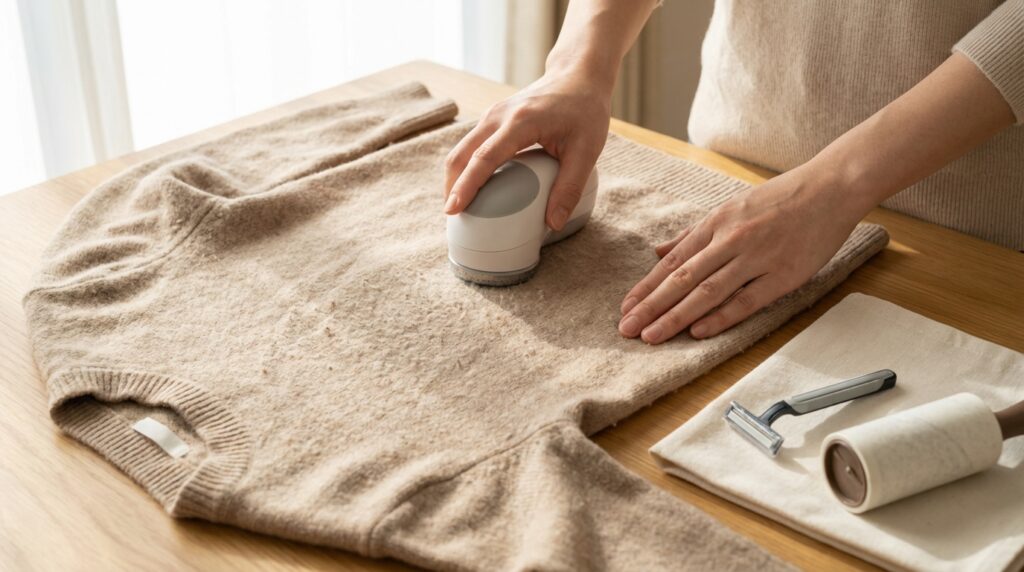
Pilling is the number one reason clothes look older than they are. A simple fabric shaver (around $10-15) removes pills in seconds. No fabric shaver? A disposable razor works in a pinch—just use a light hand and work in one direction.
What you need:
- Fabric shaver or disposable razor
- Flat surface
- Lint roller (for cleanup)
Lay the garment flat, pull the fabric taut, and gently glide the shaver across pilled areas. A sweater that looked ready for the donation bin can look store-fresh in about three minutes.
Steam Out the Sad
Wrinkled clothes read as “neglected” even when they’re clean. A handheld steamer (or the steam setting on your iron) relaxes fibers and removes odors without the hassle of ironing. Hang the item, steam from top to bottom, and let it dry for two minutes before wearing.
Smart Tip: Hang clothes in the bathroom while you shower. The steam does half the work for free—no gadgets needed.
Lint Roll Like You Mean It
Dust, pet hair, and random fuzz dull fabric and make dark clothes look ashy. A quick once-over with a lint roller before wearing makes a surprising difference. Keep one by your door for last-minute touch-ups.
Laundry Tweaks That Revive Tired Fabrics
How you wash clothes matters more than what you wash them with. A few adjustments can prevent further damage and actually reverse some existing wear.
The Cold Water Rule
Hot water fades colors faster and breaks down elastic. Wash everything in cold water unless you’re dealing with heavily soiled items or sanitizing needs. Modern detergents work just as well in cold water, and your clothes will thank you.
Flip It Inside Out
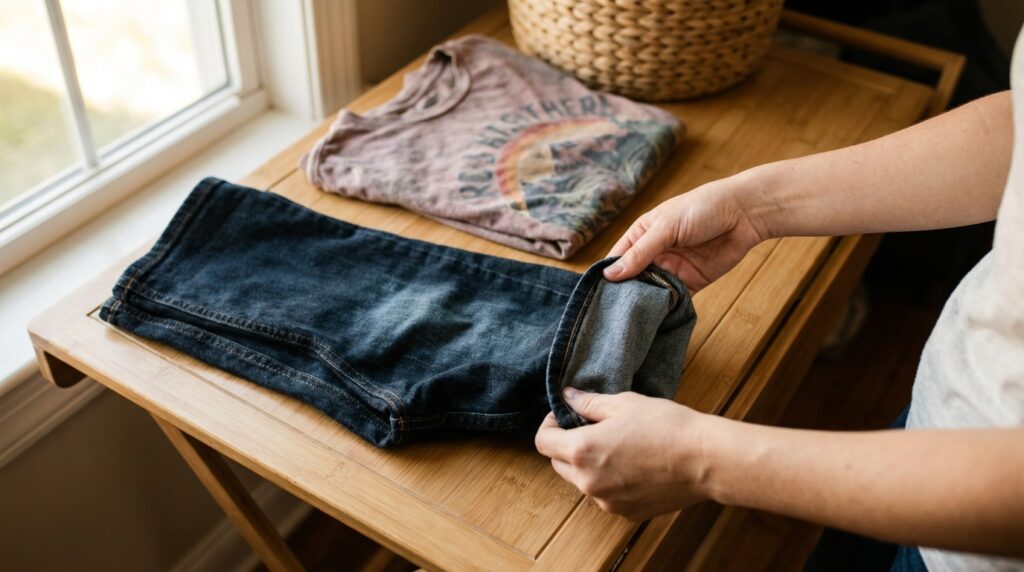
Turning clothes inside out before washing protects the outer surface from friction, fading, and pilling. This is especially important for jeans, printed tees, and dark colors. Takes two seconds per item.
The Vinegar Refresh
White distilled vinegar is a laundry workhorse. Add half a cup to the rinse cycle to:
- Remove detergent buildup that causes dinginess
- Soften fabric naturally (skip the fabric softener)
- Brighten colors without bleach
- Eliminate lingering odors
Don’t worry—the vinegar smell disappears completely once clothes dry.
Restore Faded Black Clothes
Black clothes fading to gray is frustrating but fixable. Two options:
- Coffee or tea soak: Brew two cups of strong black coffee or tea, add to a basin of cold water, and soak black garments for 1-2 hours. Rinse in cold water and air dry. This works best for cotton.
- Fabric dye: For a more permanent fix, use a black fabric dye following package instructions. One box typically handles 1-2 pounds of dry fabric and costs under $5.
Patch test first: Try any dye method on an inconspicuous area (inside seam) to check for unexpected reactions.
Small Updates That Make Old Pieces Feel Current
Sometimes clothes just need a minor update to feel relevant again. These tweaks don’t require sewing skills.
Swap the Buttons
Cheap plastic buttons instantly date a blazer or cardigan. Replacing them with nicer buttons—metal, wood, or matte—elevates the entire piece. Most fabric stores sell buttons for $1-3 each. Even if you can’t sew, a tailor will swap buttons for a few dollars.
Roll, Cuff, or Tuck Differently
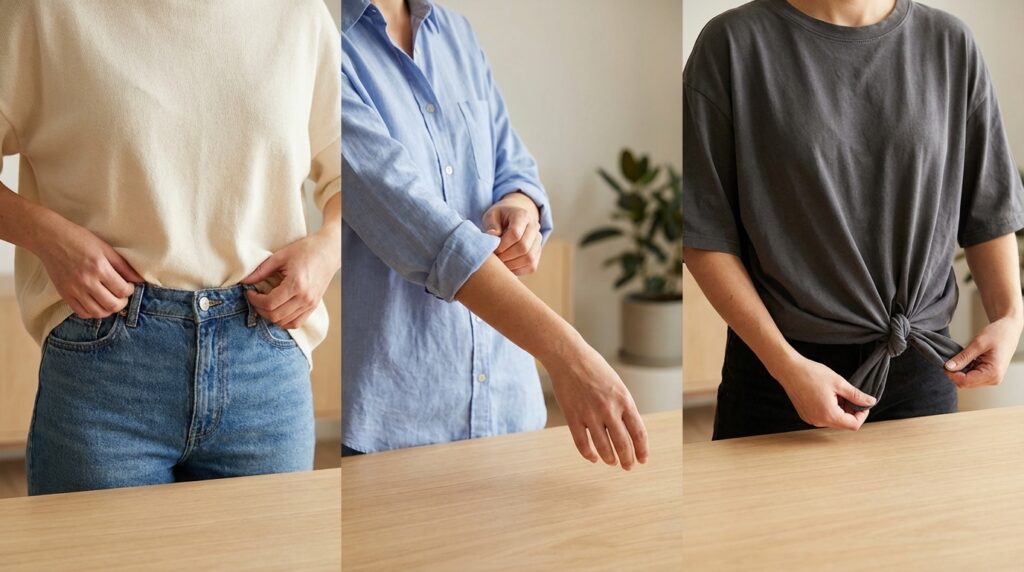
The same shirt styled three different ways looks like three different shirts. Try:
- French-tucking (front only) a boxy top
- Rolling sleeves to the elbow on button-downs
- Cuffing jeans to show ankle (changes the silhouette)
- Knotting an oversized tee at the waist
Zero cost. Instant refresh.
Add a Belt
A belt cinches shapeless dresses, oversized blazers, and long cardigans. It creates structure where there was none. One good leather belt in a neutral color works with dozens of pieces.
Fix Stretched Necklines
T-shirt necklines that have lost their shape can sometimes be rescued:
- Wet the stretched area with cold water
- Use a hair dryer on high heat, scrunching the fabric as you go
- Let it cool completely before wearing
This works best on cotton. Results vary—some necklines are too far gone—but it’s worth trying before giving up on a favorite tee.
When Refreshing Won’t Cut It
Not every piece is worth saving. Let go of items with:
- Permanent stains in visible areas
- Holes or tears that can’t be mended invisibly
- Fabric that’s thinned to the point of transparency
- Fit issues that no styling trick can fix
Holding onto truly worn-out clothes clutters your closet and makes it harder to see what you actually have. Donate what’s still wearable; recycle or repurpose the rest.
Frequently Asked Questions
How often should I de-pill my clothes?
Whenever you notice pilling—usually every few wears for sweaters and knits. Regular maintenance prevents buildup and keeps fabrics looking fresh longer.
Will vinegar damage my washing machine?
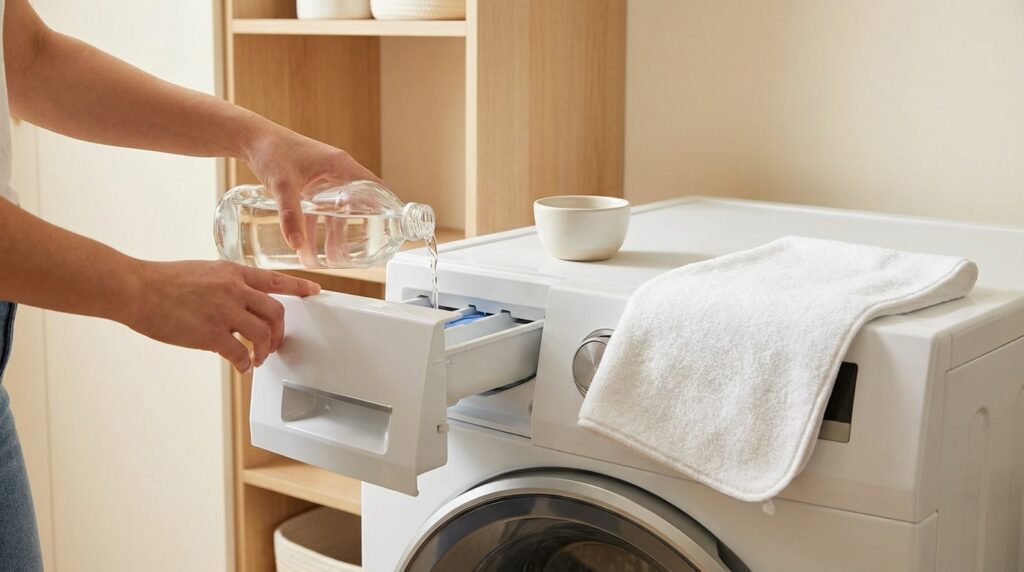
No. White distilled vinegar is safe for standard and high-efficiency machines. It actually helps clean residue from the drum. Avoid using it with bleach in the same load.
Can I use these tips on delicate fabrics like silk?
Some, but not all. Steaming works well on silk. Avoid fabric shavers, vinegar soaks, and heat treatments on delicates. When in doubt, check the care label or test on a hidden area first.
How long do these fixes last?
De-pilling and steaming are maintenance tasks—you’ll repeat them as needed. Color restoration (coffee soak or dye) lasts through multiple washes but fades gradually over time. Button swaps and styling changes are permanent.
The Bottom Line
Reviving a worn wardrobe doesn’t require a shopping spree or a crafting degree. A fabric shaver, some white vinegar, and a few minutes of attention can transform clothes you were ready to toss into pieces you’re excited to wear again.
Start with one item that’s been sitting unworn because it looks “tired.” De-pill it, steam it, or try the vinegar wash. See the difference for yourself—then work through the rest of your closet. Your wallet (and the planet) will appreciate the effort.