
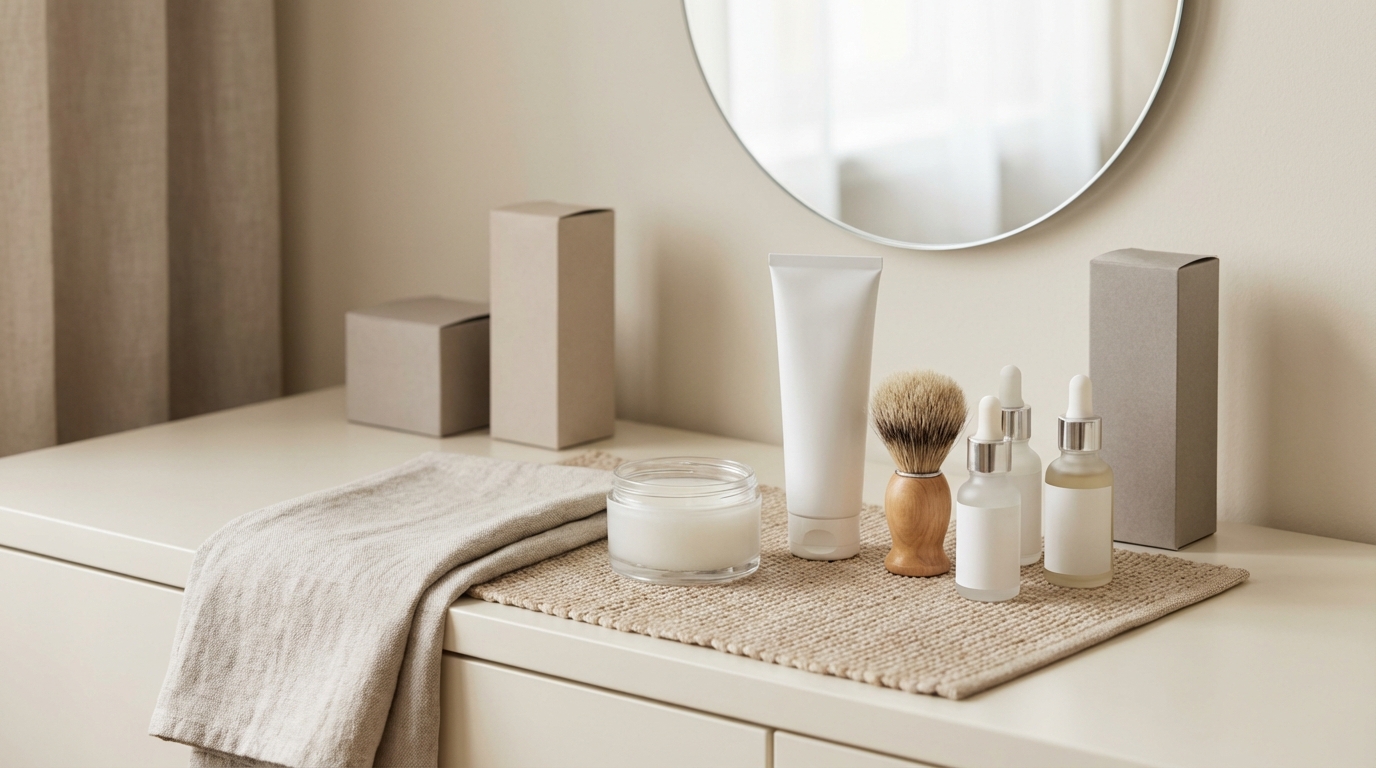
You’re standing in the drugstore aisle, staring at a wall of shaving creams that range from suspiciously cheap to “wait, how much for foam in a can?” Finding the best affordable shaving creams feels like it shouldn’t be this complicated, yet here we are. The good news? You don’t need to spend a fortune to get a smooth, irritation-free shave. And if you’re really watching your budget, there are solid alternatives already sitting in your kitchen or bathroom cabinet.
This guide breaks down what actually matters in a budget shaving cream, which types work best for different skin concerns, and some surprisingly effective alternatives that cost next to nothing. Whether you’re shaving your face, legs, or anywhere else, you’ll walk away knowing exactly what to grab next time.
Quick Verdict: Best Affordable Options by Skin Type
- Best for sensitive skin: A fragrance-free cream or gel formula with aloe vera
- Best for dry skin: A moisturizing cream (not foam) with glycerin or shea butter
- Best ultra-budget pick: Hair conditioner you already own
- Best natural alternative: Coconut oil or olive oil
- Best for coarse hair: A thick, lubricating cream that softens hair before cutting
What Actually Matters in a Shaving Cream
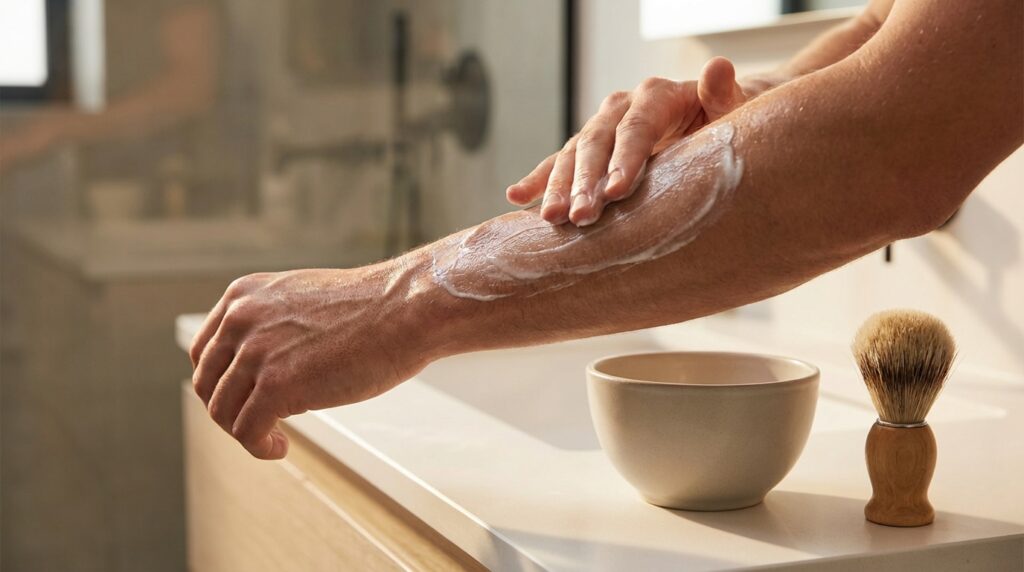
Before you grab whatever’s on sale, it helps to know what separates a decent shaving cream from one that leaves you patchy and irritated. The main job of any shaving product is lubrication and hydration. It needs to create enough slip for your razor to glide without dragging, while softening the hair so it cuts cleanly.
A common mistake is assuming more foam equals better protection. Those aerosol cans that puff up into mountains of foam? They’re mostly air. The actual product touching your skin is often thinner than it looks. Creams and gels tend to provide better cushion because what you see is what you get.
Ingredients Worth Looking For
Glycerin is your friend here. It’s a humectant that draws moisture to the skin and creates that slippery barrier you need. Aloe vera helps calm irritation, which is especially useful if you’re prone to razor burn. Shea butter or coconut oil derivatives add extra moisture for anyone dealing with dry or flaky skin post-shave.
What to avoid? Heavy fragrance is the biggest culprit for irritation, especially on freshly shaved skin. Alcohol-based formulas can also dry you out fast. If a product lists “alcohol” high up in the ingredients and your skin tends toward dryness, keep walking.
Affordable Shaving Cream Options by Category
Option: Drugstore Sensitive Skin Formulas
Most drugstore chains carry their own line of sensitive skin shaving creams or gels, and these are often surprisingly good. They’re formulated to skip the common irritants while still providing decent lubrication.
- Pros: Widely available, usually under $5, fragrance-free options common
- Cons: Some feel thin or watery, may need to reapply mid-shave
If you’re grabbing one of these, look for “sensitive” or “fragrance-free” on the label. The generic store brands often use nearly identical formulas to the name brands at half the price.
Option: Moisturizing Cream in a Tube
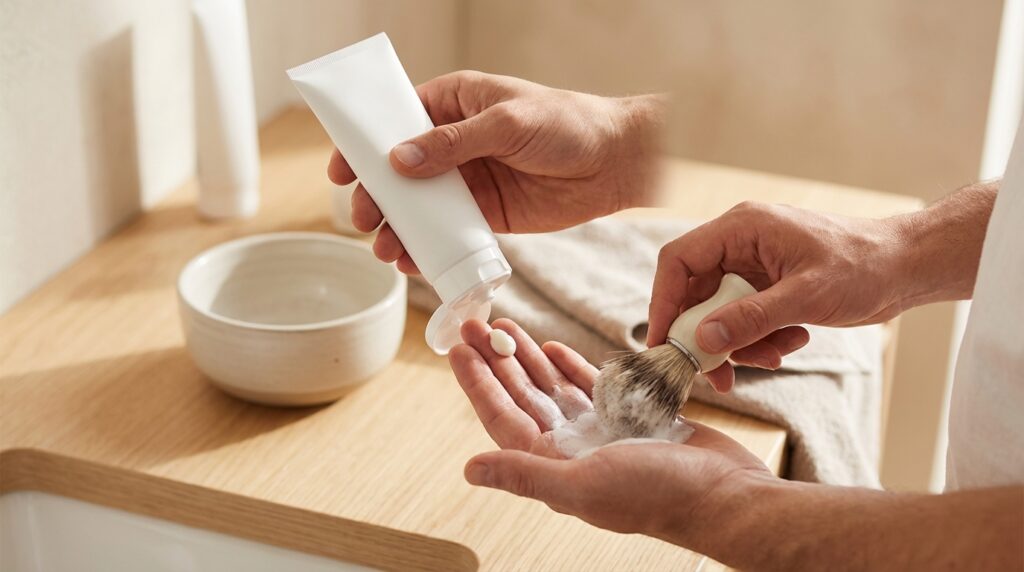
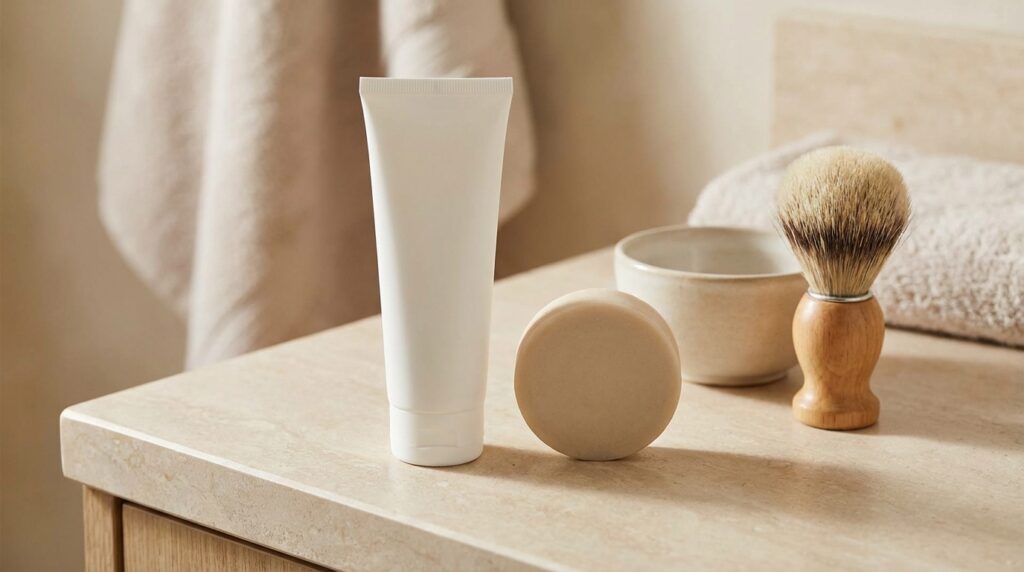
Tube creams (as opposed to aerosol cans) tend to be more concentrated. You use less product per shave, which stretches your budget further. Many people in shaving communities note that a single tube can last months with daily use.
- Pros: Better value per shave, richer texture, often more moisturizing
- Cons: Requires lathering with hands or a brush, slightly more effort
A little goes a long way with these. Start with a coin-sized amount and add water gradually. You’ll get a slicker lather than any aerosol can produce.
Option: Shave Bars or Soap Pucks
These are the most budget-friendly option if you’re willing to put in minimal extra effort. A shave soap bar can last six months or longer, bringing your cost-per-shave down to almost nothing.
- Pros: Extremely economical, eco-friendly (less packaging), travel-friendly
- Cons: Requires a brush for best results, learning curve for lathering
If you’ve never used a shave soap before, wet the bar and your brush, then swirl the brush on the soap until you build up a creamy lather. It takes about 30 seconds once you get the hang of it.
Shaving Cream Alternatives That Actually Work
Here’s where things get interesting. If you’re really trying to save money, or you’ve run out of shaving cream at the worst possible moment, several household products work surprisingly well.
Hair Conditioner
This is probably the most popular alternative, and for good reason. Conditioner is designed to soften hair and add slip, which is exactly what you need for shaving. Many people report that cheap conditioner works just as well as mid-range shaving creams, sometimes better.
The trick is using a basic, creamy conditioner rather than a lightweight or spray-in formula. Those watery “detangling” conditioners won’t give you enough cushion. A thick, budget conditioner from any drugstore works perfectly.
Coconut Oil
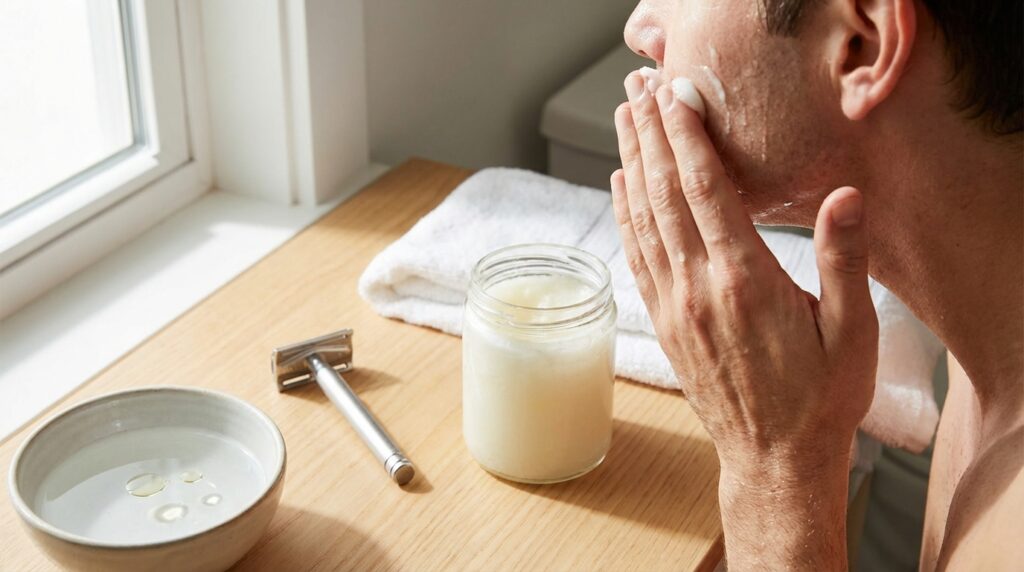
User feedback across shaving forums is overwhelmingly positive about coconut oil. It provides excellent lubrication, moisturizes as you shave, and leaves skin feeling soft afterward. Some people with sensitive skin find it gentler than commercial products.
A few things to keep in mind: coconut oil can clog razors faster, so rinse your blade frequently. It can also clog drains over time if you’re not careful. And if you’re acne-prone on your face, patch test first since coconut oil is comedogenic for some people.
Olive Oil
Olive oil has been used as a shaving lubricant for generations. It’s heavier than coconut oil, which some people prefer for very dry skin or coarse hair. A thin layer is all you need.
The downside? It doesn’t rinse off as easily, so you may feel a bit oily afterward. Some people follow up with a gentle cleanser. Others just pat dry and consider it bonus moisturizer.
Aloe Vera Gel
Pure aloe vera gel provides decent slip and has the added benefit of soothing skin as you shave. It’s especially useful for anyone dealing with irritation or razor burn. Look for aloe gel without added alcohol, which defeats the purpose.
Who This Is For (and Who It’s Not)
Budget shaving creams and alternatives work great for most people doing routine maintenance shaving. If you’re shaving legs, underarms, or doing a basic face shave, you absolutely don’t need premium products to get good results.
However, if you have specific skin conditions like eczema or psoriasis, or if you’re dealing with persistent razor bumps or ingrown hairs, it’s worth consulting a dermatologist before experimenting too much. Sometimes what seems like a product issue is actually a technique issue or an underlying skin concern that needs addressing.
These alternatives also aren’t ideal if you’re doing detailed work like shaping a beard or precise edging. For that, you want a clear gel or a product that lets you see exactly where you’re cutting.
Common Mistakes to Avoid
- Dry shaving to save time: This causes more irritation than any cheap product ever could. Always use something for lubrication.
- Using body wash as a substitute: Most body washes don’t provide enough slip and can actually increase friction.
- Applying product to dry skin: Wet your skin first with warm water. This softens the hair and helps the product spread evenly.
- Skipping moisturizer afterward: Even the best shaving cream removes some natural oils. A basic moisturizer after shaving prevents dryness and irritation.
- Assuming expensive means better: Price often reflects marketing and packaging more than formula quality.
Frequently Asked Questions
Can I just use soap and water?
Regular bar soap technically works in a pinch, but it’s not ideal. Soap can be drying and doesn’t provide the same level of lubrication as products designed for shaving. If it’s all you have, make sure to moisturize well afterward.
How much shaving cream should I actually use?
Less than you think. For cream from a tube, a nickel-sized amount is usually enough for a full face or both legs. For aerosol foam, a golf ball-sized amount is plenty. Using more doesn’t improve the shave and just wastes product.
Do shaving creams expire?
Most shaving creams last 2-3 years unopened and about 6-12 months after opening. If it smells off, has changed color, or the texture seems separated, it’s time to replace it.
Is there a difference between men’s and women’s shaving cream?
Functionally, very little. The main differences are fragrance and marketing. Women’s formulas sometimes include more moisturizing ingredients since they’re marketed for larger areas like legs. But either works fine for anyone.
Summary and Next Step
Finding the best affordable shaving cream comes down to knowing your skin type and being willing to skip the marketing hype. Drugstore sensitive-skin formulas, tube creams, and shave soap bars all deliver solid results without draining your wallet. And if you want to go even cheaper, hair conditioner and natural oils are legitimate alternatives that many people prefer over commercial products.
Your next step? Check what you already have at home. That bottle of conditioner or jar of coconut oil might be all you need for your next shave. Give it a try before your current shaving cream runs out, and you might find you never go back.