
Your lips feel tight, a little flaky, and you’re reaching for whatever’s in your bag—again. Maybe it’s an old tube that smells vaguely of artificial cherry from three years ago. Sound familiar? Finding the best affordable lip balms for everyday use shouldn’t require a treasure hunt or a hefty budget, yet so many of us end up with a drawer full of disappointing options that either feel waxy, wear off in minutes, or leave lips drier than before.
This guide breaks down what actually matters when choosing a budget-friendly lip balm, which types work best for different needs, and how to spot the ones worth your money. You’ll walk away knowing exactly what to look for on the shelf—without wasting another few dollars on something that ends up forgotten in your coat pocket.
Quick Verdict: Best Affordable Lip Balms by Need
- Best for very dry, cracked lips: A thick, occlusive balm with petrolatum or lanolin as the main ingredient
- Best for sensitive skin: Fragrance-free, minimal-ingredient formulas (look for “unscented” or “naked” versions)
- Best for daytime outdoor use: A balm with SPF 15 or higher
- Best for overnight repair: A heavier ointment-style product you can layer on before bed
- Best for a subtle shine: A tinted or glossy balm that doubles as light color
What Makes a Lip Balm Actually Work?
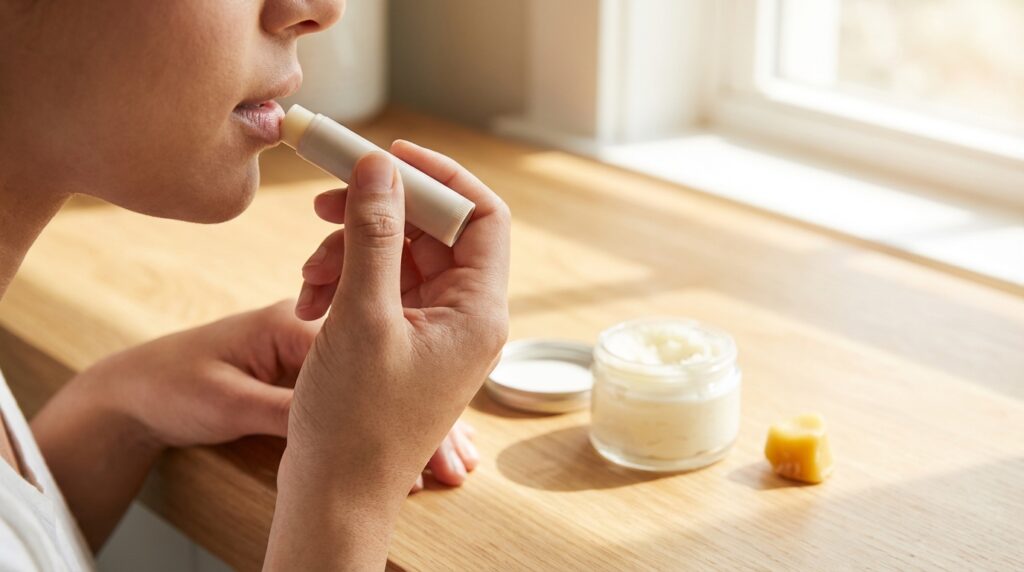
Not all lip balms are created equal, and price doesn’t always reflect quality. The key is understanding what ingredients do the heavy lifting. Most people notice the best results from balms that contain occlusive ingredients—these create a barrier that locks moisture in and protects lips from the elements.
Common effective ingredients include petrolatum (the main component in petroleum jelly), lanolin (derived from sheep’s wool, excellent for deep hydration), shea butter, and beeswax. If a balm lists water or alcohol high on the ingredient list, it might feel nice initially but won’t provide lasting protection.
A common mistake I see is grabbing balms with lots of added flavors, menthol, or camphor. While these can feel refreshing, they sometimes irritate sensitive lips or create a cycle where lips feel like they need constant reapplication. If your lips seem “addicted” to balm, check whether yours contains potential irritants.
Affordable Lip Balm Options Worth Considering
Option: Basic Petroleum-Based Ointment
This is the no-frills workhorse. A simple petroleum jelly or healing ointment does exactly one thing—seals in moisture—and does it well. It’s often the most affordable option per ounce and lasts forever.
- Pros: Extremely budget-friendly, effective barrier, widely available, fragrance-free options exist
- Cons: Can feel greasy, not ideal if you want any color or flavor, some people dislike the texture
Option: Classic Beeswax-Based Stick Balm
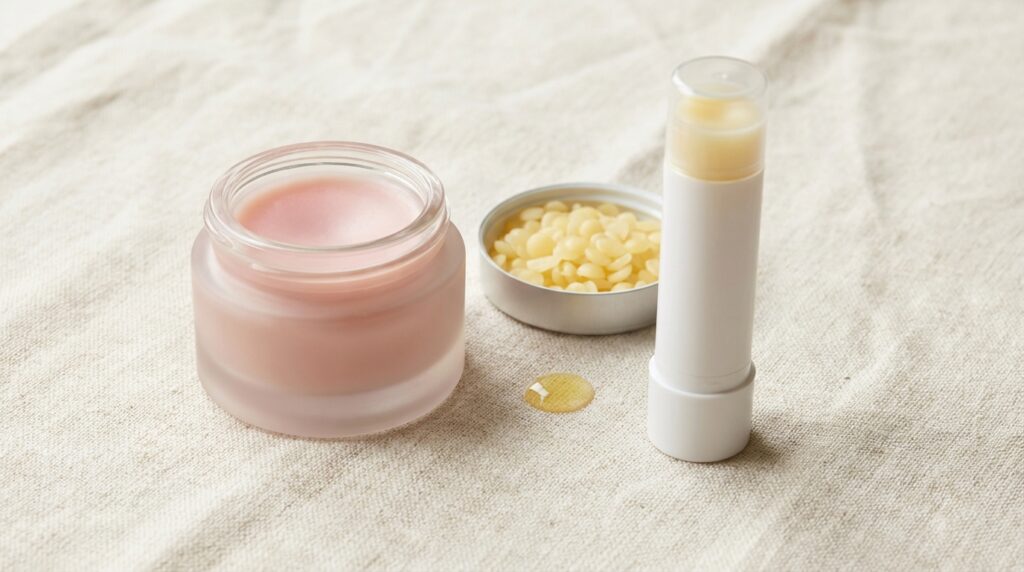
The traditional tube or stick format most people picture when they think “lip balm.” These typically combine beeswax with oils and sometimes vitamin E. They’re portable and easy to apply without getting product on your fingers.
- Pros: Convenient format, less messy than tubs, often available in fun flavors, easy to find at any drugstore
- Cons: Some formulas feel waxy rather than moisturizing, flavored versions may contain irritating ingredients
Option: Lanolin-Based Balm
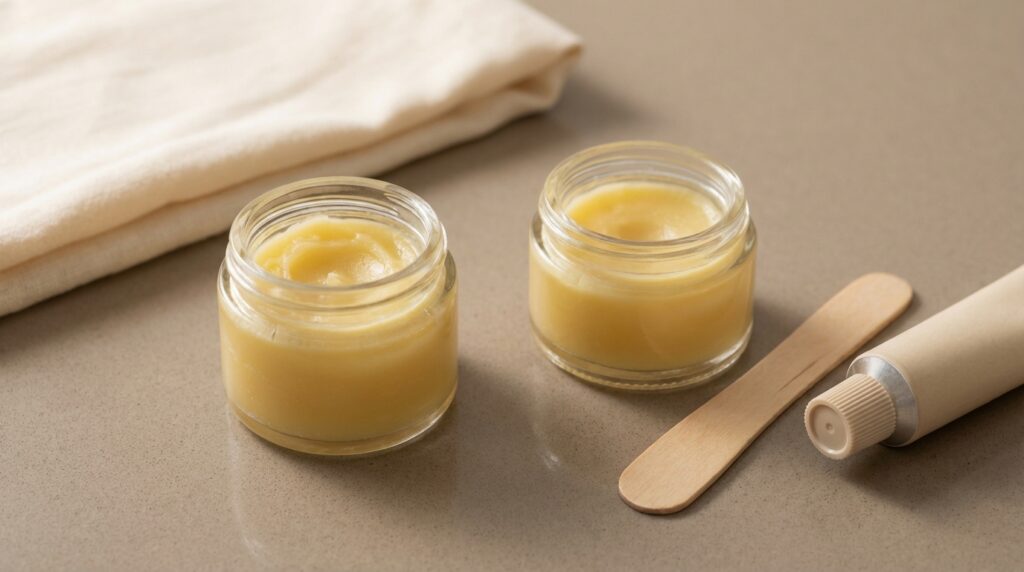
Lanolin is a favorite among people with seriously dry or chapped lips. It mimics the skin’s natural oils and provides intense hydration. Many nipple creams (yes, really) are pure lanolin and work beautifully on lips.
- Pros: Deeply hydrating, great for cracked or peeling lips, a little goes a long way
- Cons: Not vegan, some people are sensitive to lanolin, can feel sticky
Option: SPF Lip Balm
If you spend time outdoors or just want daily sun protection, an SPF lip balm is worth keeping in your rotation. Lips can burn and are susceptible to sun damage, yet most people forget to protect them.
- Pros: Protects against UV damage, prevents dryness from sun exposure, essential for outdoor activities
- Cons: Some SPF formulas taste unpleasant, may feel slightly drier than non-SPF options, needs reapplication
Option: Tinted or Glossy Balm
For those who want a hint of color without committing to lipstick, tinted balms offer a two-in-one solution. They’re perfect for low-maintenance days when you want to look polished with minimal effort.
- Pros: Adds subtle color, often more hydrating than traditional lipstick, great for natural makeup looks
- Cons: Color payoff varies widely, may not be as moisturizing as plain balms, limited shade ranges in budget options
Who This Is For (and Who It’s Not)
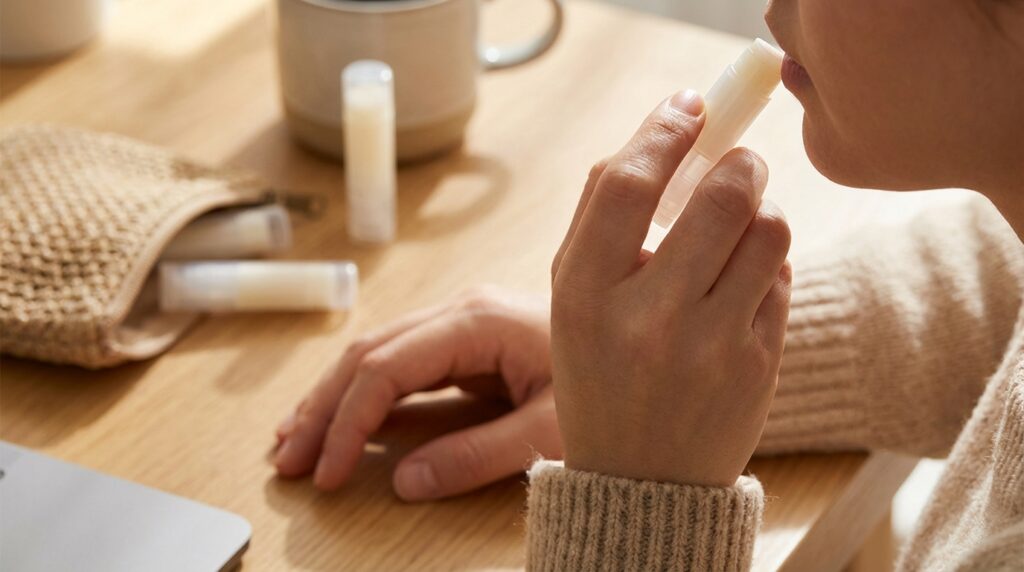
Budget lip balms are perfect for anyone who wants reliable daily hydration without spending more than a few dollars. If you’re the type who loses lip balm constantly (no judgment—it happens to everyone), affordable options mean you can stash one in every bag, coat pocket, and desk drawer without guilt.
These are also great for people who prefer simple routines. You don’t need a ten-step lip care regimen; a solid balm applied a few times a day handles most everyday dryness.
However, if you’re dealing with persistent cracking, peeling that doesn’t improve, or any unusual changes to your lips, it’s worth checking in with a dermatologist or doctor. A lip balm can only do so much, and sometimes dryness signals something else going on—like a reaction to a product, dehydration, or a skin condition that needs professional attention.
Common Mistakes When Choosing Lip Balm
- Picking based on scent alone: That cake-batter-scented balm might smell amazing, but fragrance can irritate. If your lips stay dry despite constant application, fragrance might be the culprit.
- Licking lips before applying: Saliva actually dries lips out. Apply balm to dry lips for best results.
- Using expired products: Lip balms do expire. If yours smells off or has changed texture, toss it.
- Skipping SPF during the day: Even on cloudy days, UV rays reach your lips. Consider an SPF balm for daytime, plain balm for night.
- Over-exfoliating: Scrubbing lips too often can make dryness worse. If you exfoliate, do it gently and follow with a thick balm.
Frequently Asked Questions
How often should I apply lip balm?
Most people do well with two to four applications throughout the day—morning, after meals, and before bed. If you find yourself reapplying constantly, your balm might contain drying ingredients, or you may need a more occlusive formula.
Can lip balm make my lips more dry?
Some can, yes. Balms with menthol, camphor, eucalyptus, or certain fragrances may irritate lips and create a cycle of dryness. Switching to a fragrance-free, simple formula often helps.
Is expensive lip balm better than cheap lip balm?
Not necessarily. Many affordable options contain the same effective ingredients as pricier alternatives. What matters most is the formula, not the price tag. A basic petroleum-based product often outperforms fancy balms that prioritize fragrance over function.
Should I use a different balm at night?
It’s not required, but nighttime is a good opportunity to use a thicker, more occlusive product since you won’t be eating, drinking, or talking. A heavier ointment applied before sleep can work wonders for very dry lips.
Summary and Next Step
Finding the best affordable lip balms for everyday use comes down to knowing your priorities—whether that’s intense hydration, sun protection, or a touch of color—and checking ingredient lists for effective, non-irritating formulas. You don’t need to spend a lot; some of the most effective options cost just a couple of dollars and outperform their expensive counterparts.
Your next step? Take a look at what’s already in your collection. Check the ingredients, toss anything expired or irritating, and consider what your lips actually need most. Then, next time you’re at the drugstore, you’ll know exactly what to grab—and what to skip.