
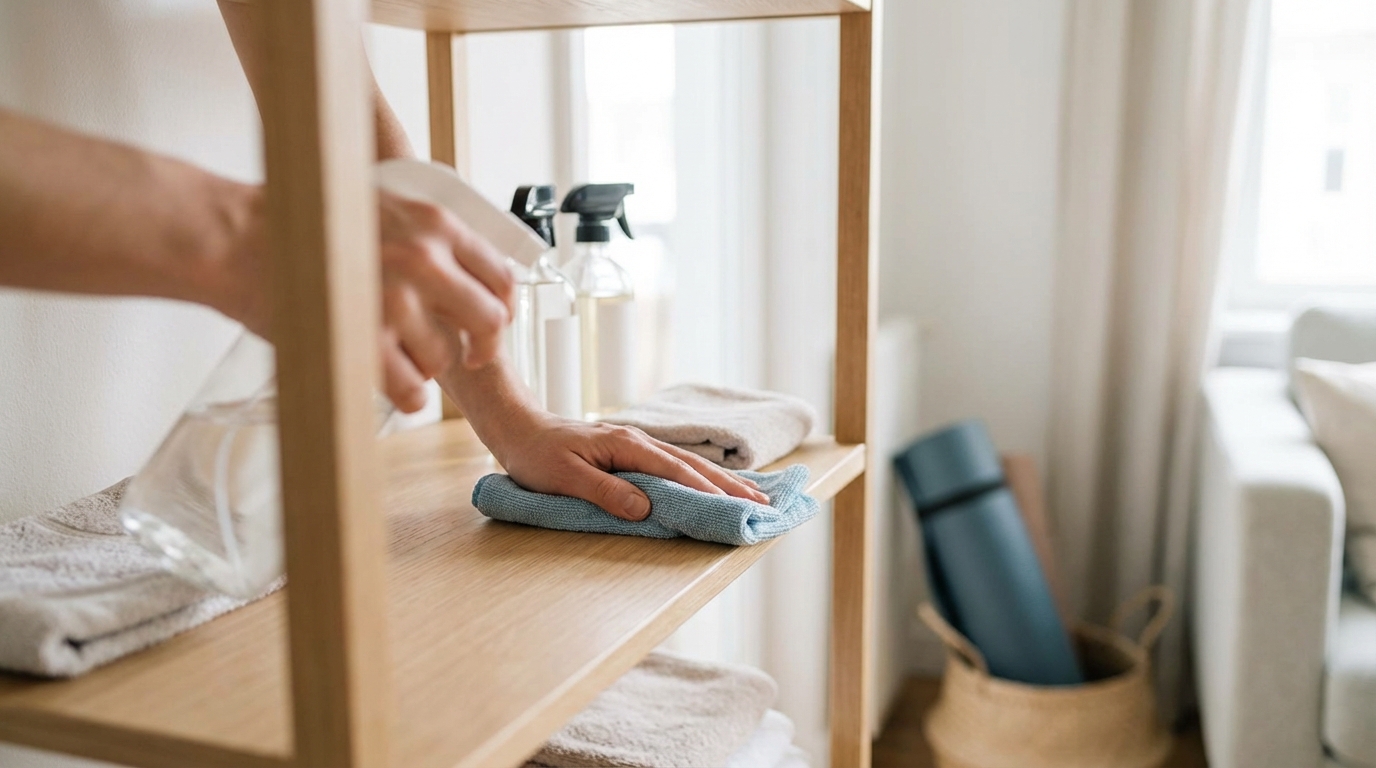
You meant to squeeze in a workout this morning, but then the laundry pile caught your eye, the kitchen counter looked sticky, and suddenly an hour vanished into chores. Sound familiar? The good news is you don’t have to choose between a tidy home and moving your body. Turning cleaning into a quick “move your body” session lets you knock out two goals at once—without fancy equipment or a gym membership.
In this post, you’ll learn how to add intentional movement to everyday tasks, which cleaning chores burn the most energy, and a few tricks to keep the momentum going even when motivation dips. It’s practical, low-effort, and surprisingly effective once you get the hang of it.
Quick Routine at a Glance
- Pick 3–4 cleaning tasks you can do back-to-back without long breaks.
- Add exaggerated movements: deep lunges while vacuuming, calf raises while washing dishes.
- Set a 15–20 minute timer and keep moving until it rings.
- Play upbeat music to maintain pace.
- Finish with a quick stretch to cool down.
What You’ll Need
- Your usual cleaning supplies (mop, vacuum, spray bottle, cloths)
- Comfortable clothes you can move freely in
- Supportive shoes or bare feet on a non-slip surface
- A timer or phone with a playlist ready
- A small towel and water bottle nearby
No special gear required. The whole point is to use what you already have and simply change how you move through the tasks.
How to Turn Cleaning into a Move Your Body Session Step by Step
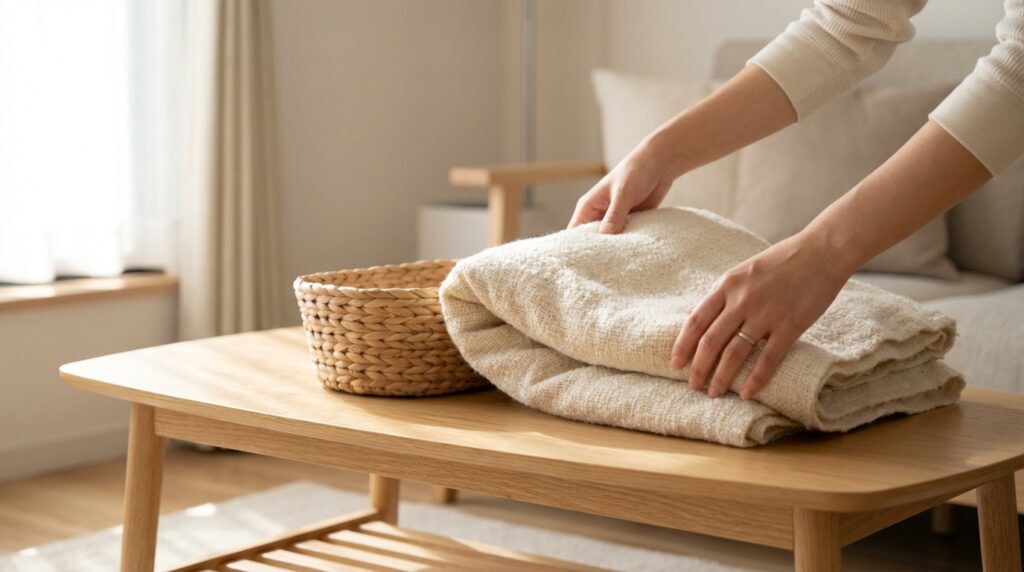
Step 1: Choose your cleaning circuit. Think of this like stations at a gym, except the stations are rooms or tasks. A simple circuit might be: vacuum the living room → wipe down kitchen counters → scrub the bathroom sink → take out trash. Grouping tasks keeps you moving instead of wandering around looking for the next thing to do.
Step 2: Warm up with light tidying. Spend two to three minutes picking up clutter, putting away shoes, or folding a few items. This gets your blood flowing without jumping straight into intense scrubbing. If you’re stiff from sitting all day, a quick warm-up prevents that “ugh, my back” feeling halfway through.
Step 3: Add intentional movement to each task. This is where the magic happens. Instead of standing still while you wipe a mirror, do side-to-side lunges. While vacuuming, take long, exaggerated strides and engage your core. Scrubbing the tub? Get into a deep squat and use your legs, not just your arms. The idea is to treat every motion as a mini exercise rather than a mindless chore.
Step 4: Keep transitions quick. When you finish one task, move immediately to the next. No scrolling your phone, no sitting down “just for a second.” The goal is to maintain an elevated heart rate for the full session. If you need a breather, march in place or do a few arm circles while you gather supplies.
Step 5: Set a timer and commit. Fifteen to twenty minutes is the sweet spot for most people. It’s long enough to feel like you accomplished something, short enough that it doesn’t feel like a punishment. When the timer goes off, you’re done—even if the house isn’t spotless. Progress over perfection.
Step 6: Cool down and stretch. After your cleaning circuit, take two minutes to stretch your shoulders, hamstrings, and lower back. Cleaning often involves repetitive motions, so a quick stretch helps prevent stiffness later. Roll your neck, reach for the ceiling, and shake out your hands.
Shortcut If You’re Short on Time
- Pick just one room and set a 10-minute timer.
- Focus on high-movement tasks only: vacuuming, mopping, scrubbing.
- Skip organizing or folding—those are low-energy tasks.
- Double your pace: move like you’re late for something.
- Combine with a single song challenge—clean until the song ends.
Which Cleaning Tasks Give You the Best Workout?
Not all chores are created equal when it comes to movement. Some tasks keep you stationary, while others get your whole body involved.
High-Movement Tasks
Vacuuming and mopping top the list because they involve pushing, pulling, and walking. If you have stairs, even better—carrying a vacuum up and down adds a cardio element. Scrubbing floors on your hands and knees engages your core and arms. Window washing, especially if you’re reaching high or low, works your shoulders and legs.
Moderate-Movement Tasks
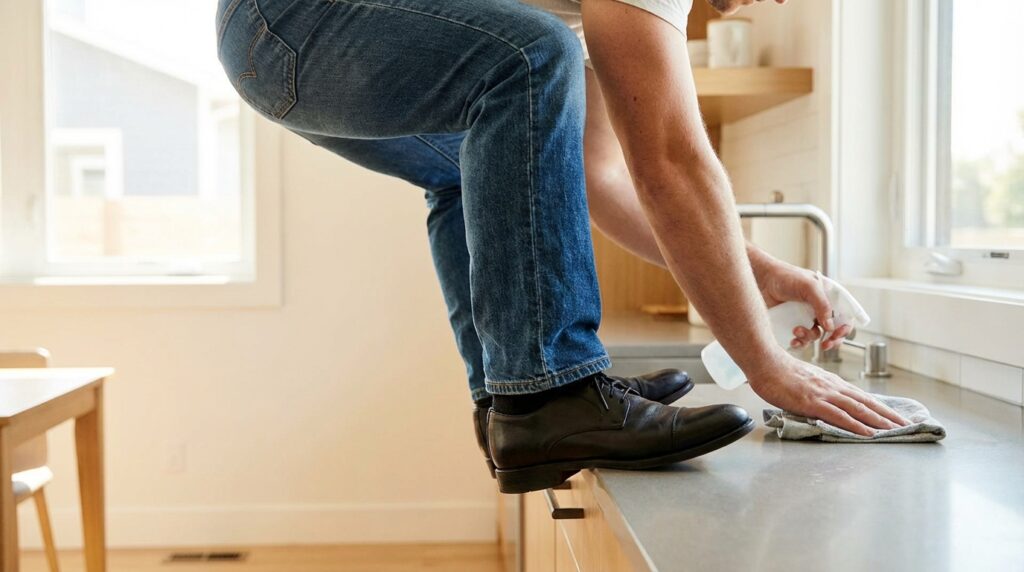
Wiping counters, cleaning mirrors, and dusting shelves fall into this category. They’re useful for keeping your arms active, but you’ll need to add intentional movement—like calf raises or side steps—to bump up the intensity.
Low-Movement Tasks
Folding laundry, organizing drawers, and loading the dishwasher don’t offer much physical benefit on their own. Save these for rest days or tack them on at the end as a cool-down activity.
Common Mistakes to Avoid
- Going too hard too fast. If you sprint through the first five minutes, you’ll burn out and abandon the session. Pace yourself like a light jog, not a race.
- Wearing restrictive clothing. Jeans and stiff shoes make movement awkward. Change into something comfortable before you start.
- Skipping the music. Silence makes cleaning feel like a slog. A good playlist sets the tempo and keeps energy up.
- Perfectionism. This isn’t about deep-cleaning every corner. It’s about moving your body while tidying up. Let go of the idea that everything must be perfect.
- Forgetting to hydrate. Even light activity makes you sweat. Keep water nearby and take sips between tasks.
Making It a Habit
The hardest part is starting. Once you’ve done a few cleaning-as-movement sessions, it becomes second nature. A few tricks to build the habit:
Tie it to something you already do. If you always tidy up after dinner, that’s your cue to turn it into a movement session. Consistency beats intensity—three 15-minute sessions a week add up faster than one marathon cleaning day you keep postponing.
Track your wins. A simple checkmark on a calendar or a note in your phone can reinforce the habit. Seeing a streak of completed sessions motivates you to keep going.
Involve the household. If you live with others, turn it into a group activity. Assign tasks, put on music, and make it a quick family challenge. Kids especially respond well to timed cleaning races.
If You Live in a Small Space
Limited square footage doesn’t mean limited movement. Focus on vertical tasks—wiping down cabinets, cleaning light fixtures, or scrubbing the shower walls. Add jumping jacks or high knees between tasks to keep your heart rate up when there’s not much floor to cover.
Eco-Friendly Bonus Tips
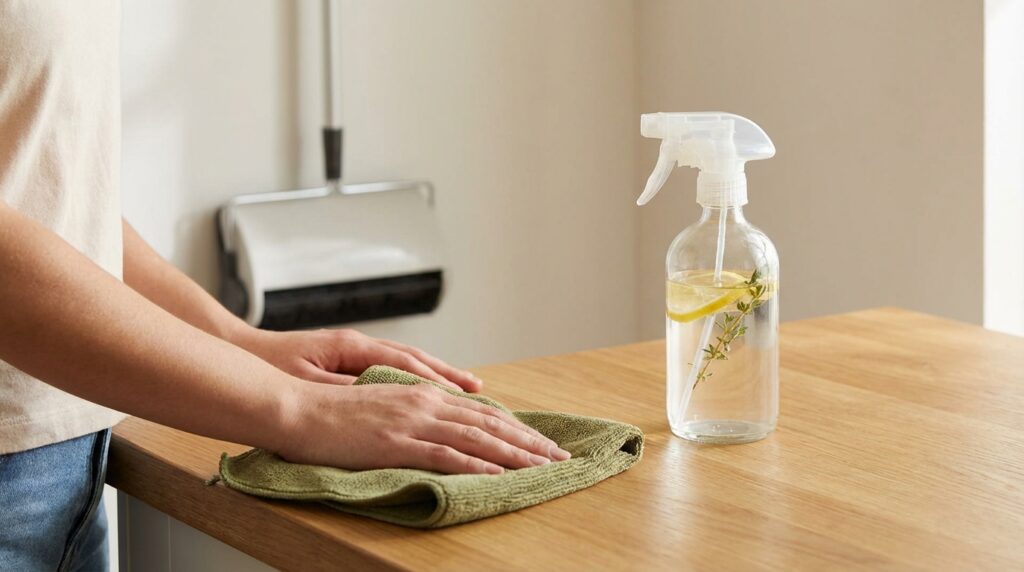
Since you’re already in the green cleaning mindset, here are a few ways to keep your cleaning-as-exercise routine environmentally friendly:
- Use reusable microfiber cloths instead of disposable wipes.
- Make your own all-purpose cleaner with vinegar, water, and a few drops of essential oil.
- Choose a manual carpet sweeper for quick pickups—no electricity needed, and the pushing motion is great for your arms.
- Open windows for ventilation instead of relying on air fresheners.
These small swaps reduce waste and often save money, which fits right into the Save & Care philosophy.
Summary and Next Step
Turning cleaning into a quick move your body session is one of those rare wins where you don’t have to add anything to your schedule—you just change how you approach what you’re already doing. Pick a few high-movement tasks, add intentional lunges or squats, set a timer, and let the music carry you through. You’ll end up with a tidier space and a bit of exercise under your belt, all without stepping foot in a gym.
Your next step: choose one room, set a 15-minute timer, and try it today. Notice how you feel afterward. If it works, build from there. Small, consistent efforts beat grand plans that never happen.