
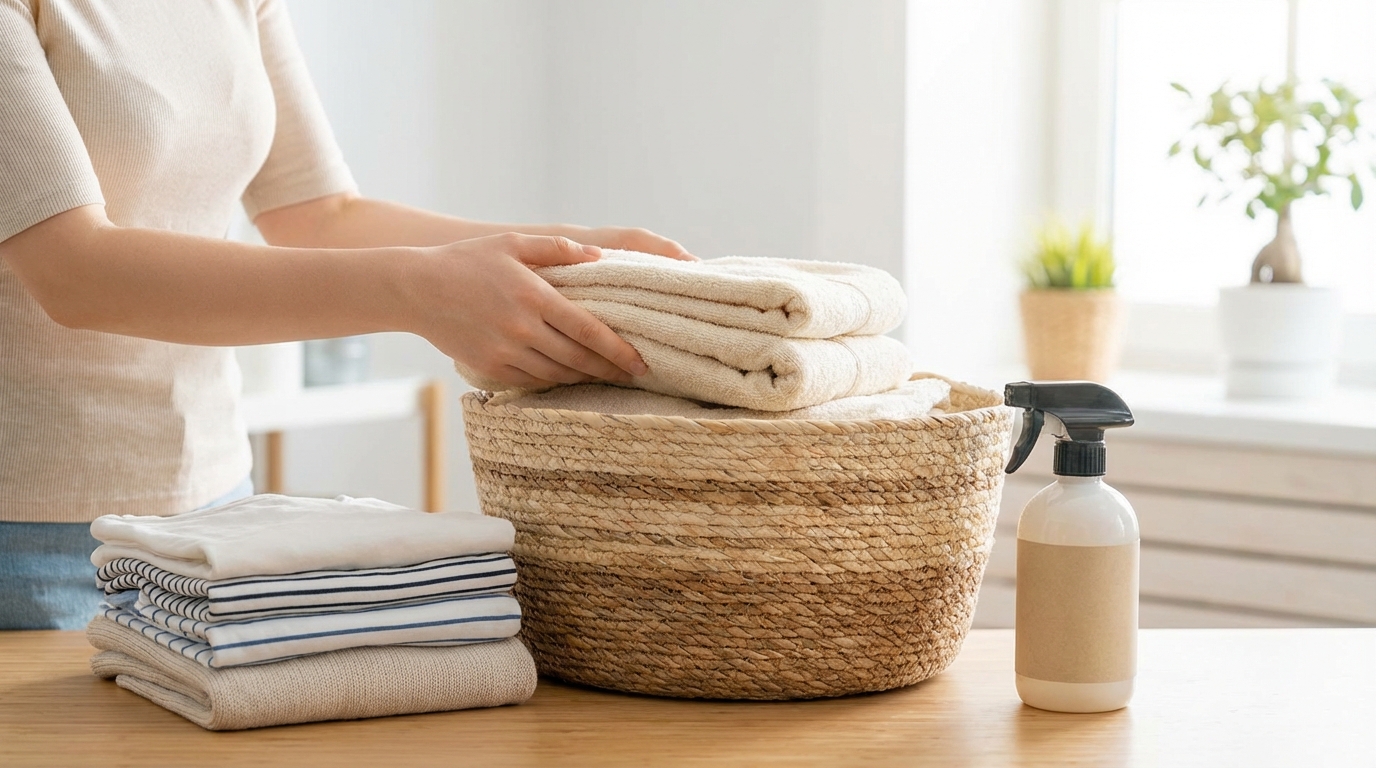
You spend all week juggling meetings, deadlines, and the general chaos of adult life. By Friday evening, the laundry basket looks like it’s staging a rebellion. Sound familiar? A solid weekend laundry routine for working women can turn that mountain of clothes into a manageable task—without eating up your entire Saturday.
This guide walks you through a practical system that fits into a busy schedule. You’ll learn how to sort efficiently, time your loads smartly, and actually get everything folded and put away before Monday morning. No magic required, just a bit of structure.
Quick Routine Overview
- Friday night: Quick sort into 3–4 piles (takes 10 minutes)
- Saturday morning: Start first load before breakfast
- Saturday midday: Rotate loads while doing other tasks
- Saturday afternoon or Sunday: Fold, hang, and put away
- Sunday evening: Quick check for anything missed
What You’ll Need
- Laundry baskets or bags (at least two—one for darks, one for lights)
- A gentle detergent that works for most fabrics
- Stain remover spray or stick
- Mesh laundry bags for delicates
- Hangers and a folding surface
- A timer or phone alarm
You don’t need fancy products or expensive gadgets. A basic setup works perfectly well. If you’re working with a small apartment and limited space, a collapsible drying rack and over-the-door hooks can be lifesavers.
Your Weekend Laundry Routine, Step by Step
Step 1: Sort on Friday night. This is the secret weapon most people skip. Spend 10 minutes before bed on Friday separating clothes into piles: darks, lights, delicates, and anything that needs special treatment (like that silk blouse you forgot about). Toss heavily soiled items or gym clothes into their own pile if the smell warrants it. Pre-sorting means Saturday morning starts with action, not decision-making.
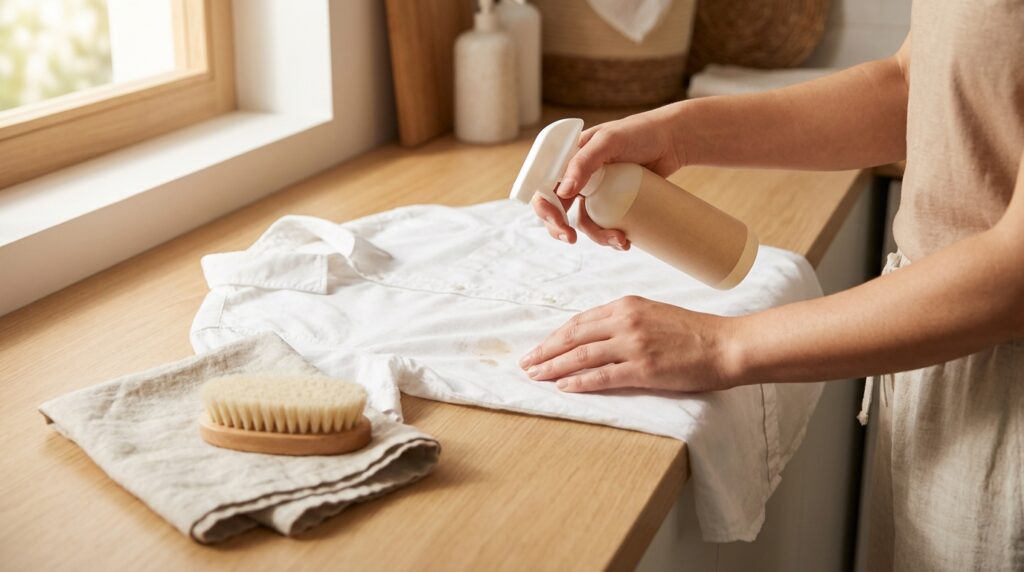
Step 2: Treat stains before washing. Check each pile for visible stains. A quick spray of stain remover on coffee drips, makeup smudges, or food spots makes a huge difference. Let it sit for a few minutes while you start the first load. A common mistake is tossing stained items straight into the wash and hoping for the best—this often sets the stain permanently.
Step 3: Start your first load before breakfast. Saturday morning, throw in your largest or most urgent pile first. Darks or everyday clothes usually make sense here. Set a timer so you don’t forget about it. If you’re someone who gets distracted easily (no judgment, it happens), phone alarms are your friend.
Step 4: Rotate loads throughout the day. The goal is to run 2–3 loads spaced out over Saturday. While one load washes, you can have coffee, run errands, or do literally anything else. When the washer finishes, move items to the dryer or drying rack immediately. Leaving wet clothes sitting leads to that musty smell nobody wants.
If you live in a building with shared laundry facilities, try to hit the machines early. Weekend mornings before 9 AM are often quieter. Bring a book or scroll your phone—waiting time doesn’t have to be wasted time.
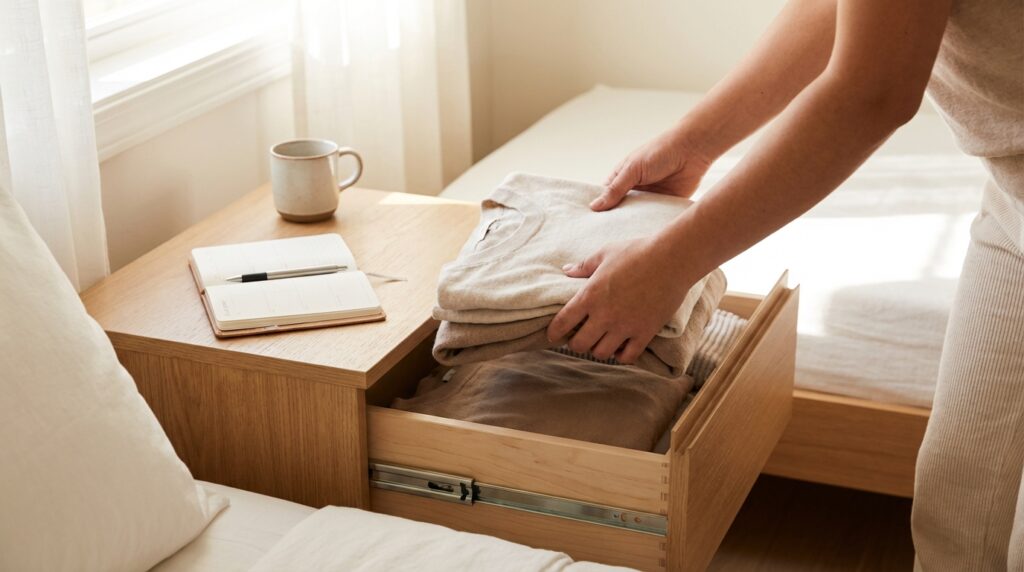
Step 5: Fold and put away the same day. This is where most weekend laundry routines fall apart. Clothes come out of the dryer, get dumped on a chair, and sit there until Wednesday. The fix? Fold while watching something you enjoy. A 30-minute episode pairs perfectly with a load of laundry. Hang items that wrinkle easily right away—blouses, dress pants, anything you’d rather not iron.
Step 6: Do a Sunday evening sweep. Before the week starts, check if anything got missed. That random sock under the bed, the gym bag you forgot to unpack, the towel hanging in the bathroom. A quick five-minute check prevents the “I have nothing to wear” panic on Monday morning.
Shortcut If You’re Short on Time
- Combine lights and darks using cold water if nothing is brand new or heavily dyed
- Skip folding underwear and socks—just toss them in a drawer organizer
- Use dryer balls to speed up drying time
- Hang clothes directly from the dryer onto hangers to skip folding entirely
- Batch similar items: all towels in one load means faster folding
Common Mistakes That Slow You Down
- Overloading the washer: Stuffing too much in means clothes don’t get clean and take longer to dry. Leave some room for water to circulate.
- Using too much detergent: More soap doesn’t mean cleaner clothes. It leaves residue and can irritate skin. Follow the recommended amount on the bottle.
- Ignoring care labels: That “dry clean only” tag exists for a reason. Shrinking a favorite sweater is a painful lesson to learn the hard way.
- Washing everything on hot: Hot water fades colors and wears out fabric faster. Cold or warm works for most everyday items.
- Letting clean laundry pile up: The washing isn’t done until clothes are put away. A basket of clean laundry sitting for days defeats the purpose.
Making the Routine Stick
The hardest part of any routine is consistency. For the first few weekends, you might need to remind yourself. Put it in your calendar if that helps. After a month or so, it becomes automatic—just another part of your weekend rhythm.
If you’re running late on a particular Saturday, don’t abandon the whole system. Even one load is better than none. Prioritize work clothes and essentials. The rest can wait until the following weekend without disaster.
Some people prefer splitting laundry across both days—washing Saturday, folding Sunday. Others like to knock it all out in one go. Neither approach is wrong. The best routine is the one you’ll actually follow.
Frequently Asked Questions
How many loads should I expect per weekend?
For one person, 2–3 loads is typical. If you’re washing for a household, expect more. The number depends on your wardrobe size, how often you change outfits, and whether you include bedding and towels in your weekend rotation.
Should I wash towels and sheets every weekend?
Towels benefit from weekly washing, especially bath towels. Sheets can go every one to two weeks depending on preference and climate. In warmer months or if you tend to sweat at night, weekly is a good idea.
What about dry-clean-only items?
True dry-clean-only pieces should go to a professional. However, many items labeled this way can be hand-washed gently or put through a delicate cycle in a mesh bag. Use your judgment—structured blazers and silk are riskier than a simple wool sweater.
How do I handle workout clothes that smell even after washing?
Synthetic fabrics trap odor. Try soaking gym clothes in a mixture of water and white vinegar for 30 minutes before washing. Avoid fabric softener on athletic wear—it coats fibers and makes the smell problem worse over time.
Summary and Next Step
A weekend laundry routine doesn’t need to be complicated. Sort on Friday, wash in batches on Saturday, fold the same day, and do a quick check Sunday evening. The key is treating laundry as a background task that runs alongside your weekend rather than a chore that dominates it.
This weekend, try the Friday night sort. Just that one small step can shift how the rest of your laundry day feels. Once sorting becomes a habit, the rest of the routine tends to fall into place naturally.