
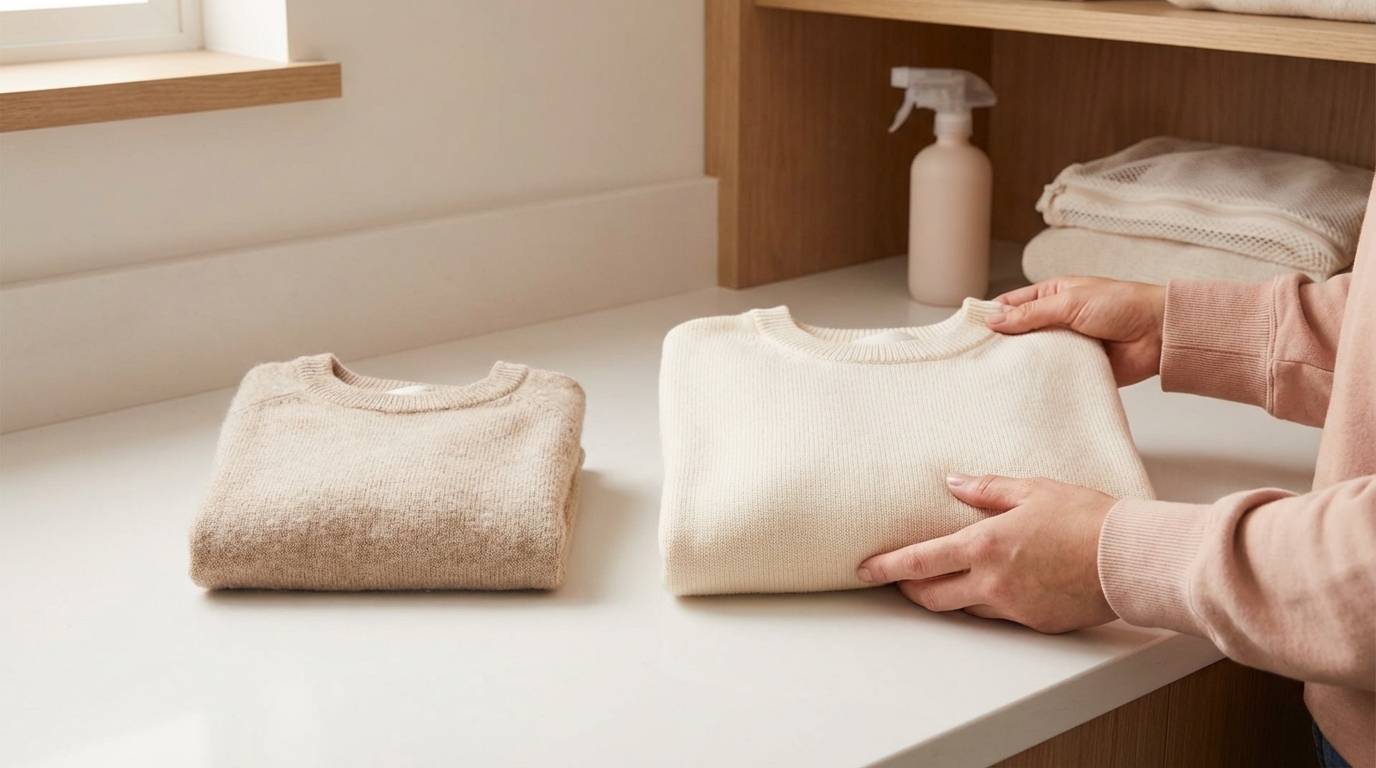
You pull your favorite sweater out of the dryer, hold it up, and realize it now fits your cat better than it fits you. Sound familiar? Learning how to prevent clothes from shrinking in the wash is one of those skills that saves you money, frustration, and the heartbreak of losing a piece you actually loved wearing. The good news is that most shrinkage is completely avoidable once you understand what causes it and make a few small changes to your laundry routine.
In this guide, you’ll learn why clothes shrink in the first place, which fabrics are most at risk, and the exact steps to keep your wardrobe fitting the way it should. No complicated techniques or expensive products required—just practical habits that actually work.
Quick Steps to Prevent Shrinking
- Always check the care label before washing
- Wash in cold water whenever possible
- Use the gentle or delicate cycle for natural fibers
- Avoid high heat in the dryer—or skip it entirely
- Air dry knits, wool, and anything you’re unsure about
- Don’t overload the washing machine
Why Clothes Shrink in the First Place
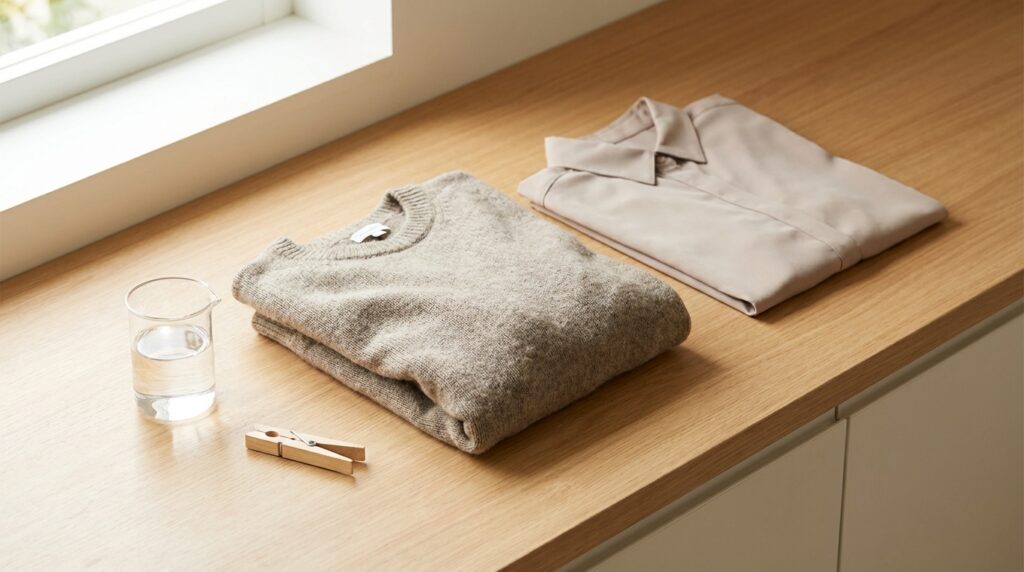
Shrinkage happens when fibers in fabric contract due to heat, moisture, and agitation. Natural fibers like cotton, wool, and linen are especially prone to this because their structure relaxes when wet and then tightens up again when exposed to heat. The combination of hot water and a tumble dryer is basically a shrinking machine for these materials.
Synthetic fabrics like polyester and nylon are more resistant to shrinking, but they’re not immune. High heat can still cause them to warp or lose their shape over time. Blended fabrics—say, a cotton-polyester mix—fall somewhere in the middle. They’re more forgiving than pure cotton, but they can still shrink if you’re not careful.
A common mistake is assuming that if something survived one hot wash, it’s safe forever. In reality, shrinkage can be gradual. You might not notice it after one cycle, but after five or ten washes, that shirt is suddenly tighter across the shoulders. Cumulative damage is real, and it’s sneaky.
What You’ll Need
- A mesh laundry bag (for delicates and knits)
- A drying rack or flat surface for air drying
- A gentle or wool-safe detergent (optional but helpful for delicate items)
- Access to cold water settings on your machine
- A few minutes to sort laundry by fabric type
Step-by-Step: How to Wash Clothes Without Shrinking Them
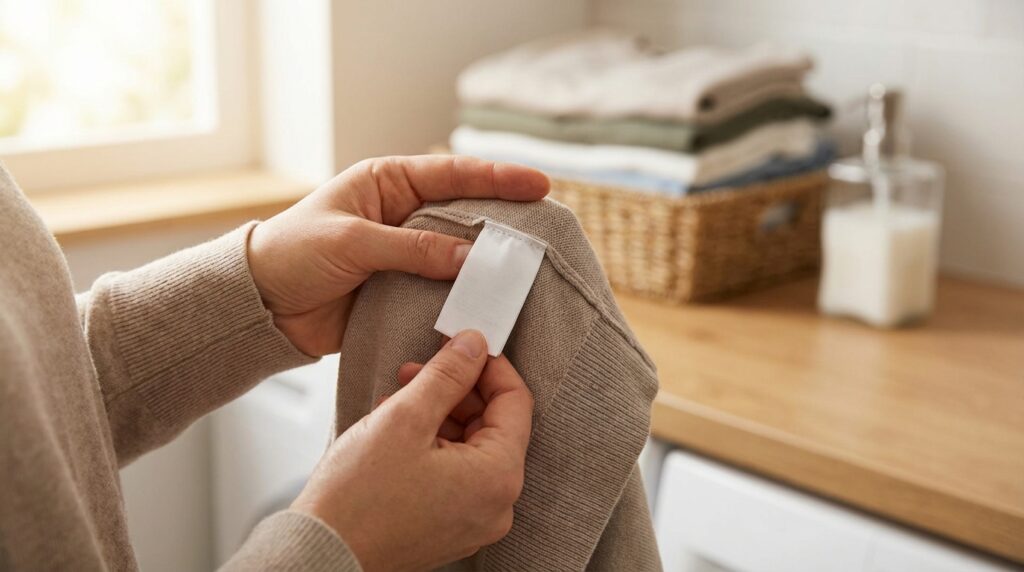
Step 1: Read the care label. This sounds obvious, but most people skip it entirely. The label tells you the maximum water temperature, whether the item can go in the dryer, and if it needs special handling. If the label says “dry clean only” or “lay flat to dry,” take it seriously—especially for wool, silk, or structured garments.
Step 2: Sort your laundry by fabric type, not just color. Washing a delicate cotton blouse with heavy denim means the blouse gets beaten up by the agitation. Keep lightweight and delicate items separate from heavier fabrics. If you’re washing something you really care about, put it in a mesh laundry bag for extra protection.
Step 3: Select cold water. Hot water is the biggest culprit when it comes to shrinkage. Cold water cleans just as effectively for most everyday loads, and it’s gentler on fibers. If you’re dealing with heavily soiled items, warm water is usually fine—but hot should be reserved for things like towels, bedding, or items that specifically require it.
Step 4: Choose the right cycle. The gentle or delicate cycle uses slower agitation and a shorter spin, which reduces stress on the fabric. For everyday cotton t-shirts, a normal cycle is usually fine. But for knits, wool, linen, or anything with a looser weave, the gentle cycle is worth the extra few minutes.
Step 5: Skip the dryer when possible. Heat is the enemy here. Air drying is the safest option for anything you don’t want to shrink. Lay knits and sweaters flat on a clean towel to dry—hanging them can stretch them out of shape. For items that can handle the dryer, use the lowest heat setting or the air-dry/tumble-dry option.
Step 6: Remove items promptly. If you do use the dryer, take clothes out while they’re still slightly damp. Over-drying is a common cause of shrinkage and also makes fabrics feel stiff and worn. Finishing the drying process on a hanger or drying rack gives you more control.
Shortcut If You’re Short on Time
- Wash everything in cold water by default—it’s the single biggest shrink-prevention habit
- Use the “low heat” or “delicate” dryer setting for mixed loads
- Toss a dry towel in with wet clothes to speed up drying time at lower heat
- Keep a small drying rack near your laundry area for quick air-dry items
- When in doubt, air dry—you can always toss something in the dryer later if needed
Fabrics That Need Extra Attention
Cotton
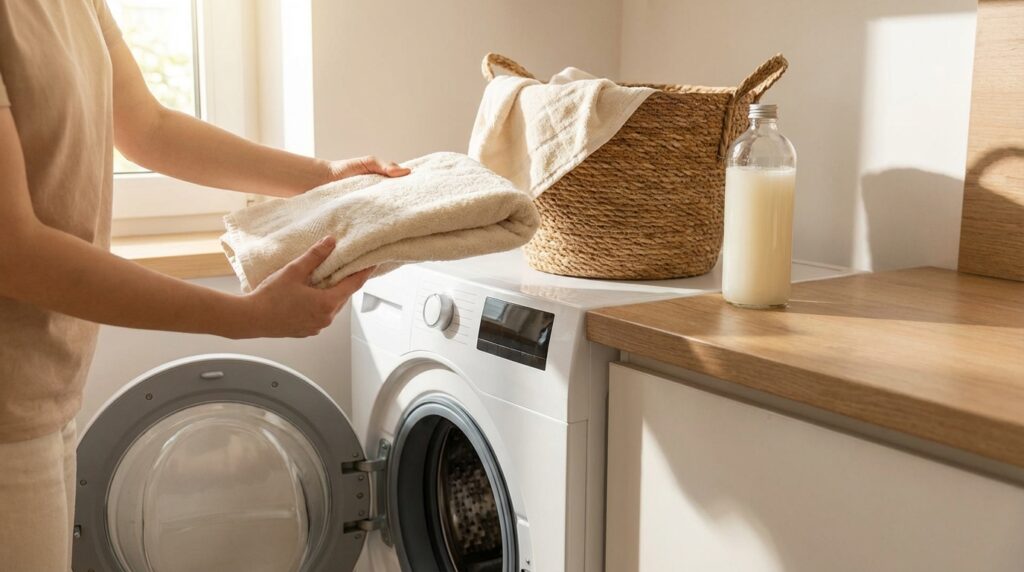
Cotton is one of the most common fabrics and also one of the most likely to shrink. Pre-shrunk cotton is more stable, but it can still contract a bit with repeated hot washes. Stick to cold or warm water and avoid high heat in the dryer. If you’re buying new cotton items, consider sizing up slightly if you plan to machine dry them regularly.
Wool and Cashmere
Wool is notorious for shrinking—and once it felts (that dense, matted texture), there’s no going back. Hand wash wool in cool water with a gentle detergent, or use the wool cycle on your machine if it has one. Never put wool in the dryer. Lay it flat to dry, reshaping it gently while it’s still damp.
Linen
Linen shrinks more than most people expect, especially the first few times it’s washed. Cold water and air drying are your best bet. The upside is that linen softens beautifully over time, so the extra care is worth it.
Rayon and Viscose
These semi-synthetic fabrics are tricky. They can shrink, stretch, or lose their shape entirely if handled roughly. Many rayon items are labeled “dry clean only” for a reason. If you do wash them at home, use cold water, the gentlest cycle, and air dry flat.
Common Mistakes That Cause Shrinking
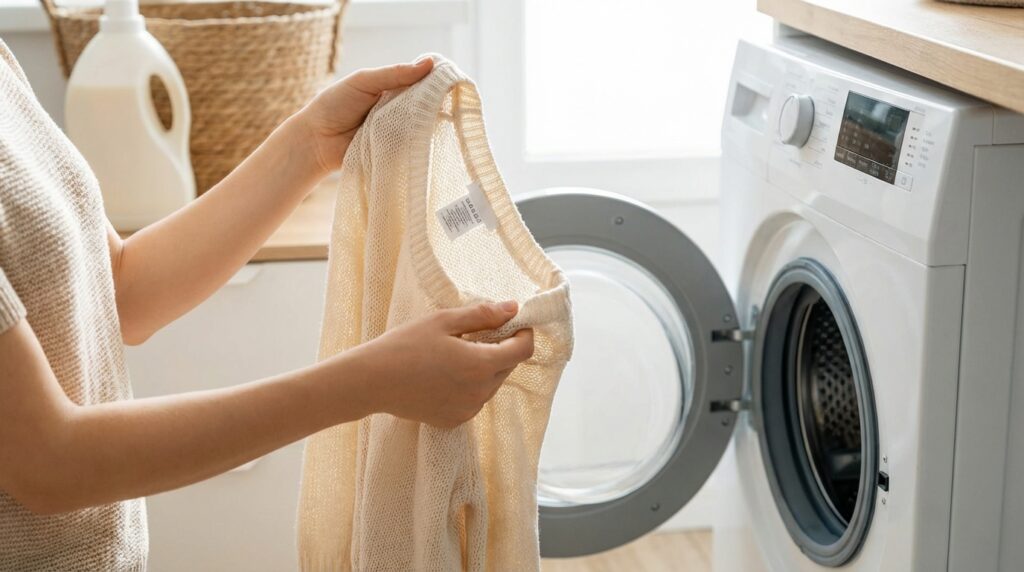
- Ignoring care labels: That tiny tag exists for a reason. A quick glance takes two seconds and can save your favorite shirt.
- Using hot water out of habit: Most loads don’t need it. Cold water handles everyday dirt just fine.
- Overloading the dryer: Clothes need room to tumble freely. Cramming too much in means uneven drying and more heat exposure.
- Leaving clothes in the dryer too long: The “done” buzzer is a suggestion, not a timer for when you’ll eventually get around to it. Over-drying causes shrinkage and wear.
- Assuming “pre-shrunk” means shrink-proof: It doesn’t. Pre-shrunk items are more stable, but they can still shrink with high heat.
Frequently Asked Questions
Can you unshrink clothes that have already shrunk?
Sometimes. Soaking the item in lukewarm water with a bit of hair conditioner or gentle fabric softener can relax the fibers enough to gently stretch it back. This works best on cotton and wool, and results vary. It’s not a guaranteed fix, but it’s worth trying before you give up on a piece entirely.
Does air drying prevent all shrinkage?
Air drying eliminates heat-related shrinkage, which is the most common type. However, some shrinkage can still occur from the washing process itself, especially with very hot water or aggressive agitation. Cold wash plus air dry is the safest combination.
Is the “tumble dry low” setting safe for most clothes?
For most everyday fabrics like cotton blends and synthetics, low heat is generally safe. But for wool, cashmere, silk, or anything delicate, even low heat can cause problems. When the label says “do not tumble dry,” believe it.
Do front-load washers cause less shrinkage than top-loaders?
Front-load washers are generally gentler because they tumble clothes rather than using an agitator. This can reduce wear and shrinkage over time. That said, water temperature and dryer heat matter more than the type of washer you use.
Summary and Next Step
Preventing clothes from shrinking comes down to a few simple habits: wash in cold water, use gentle cycles for delicate fabrics, and avoid high heat in the dryer. These small changes protect your clothes, extend their lifespan, and save you from the frustration of outgrowing something you never actually outgrew.
Your next step is easy—pick one or two items in your closet that you’ve been nervous about washing and try these methods. A mesh bag, cold water, and a drying rack can make a real difference. Once you see how well it works, it becomes second nature.